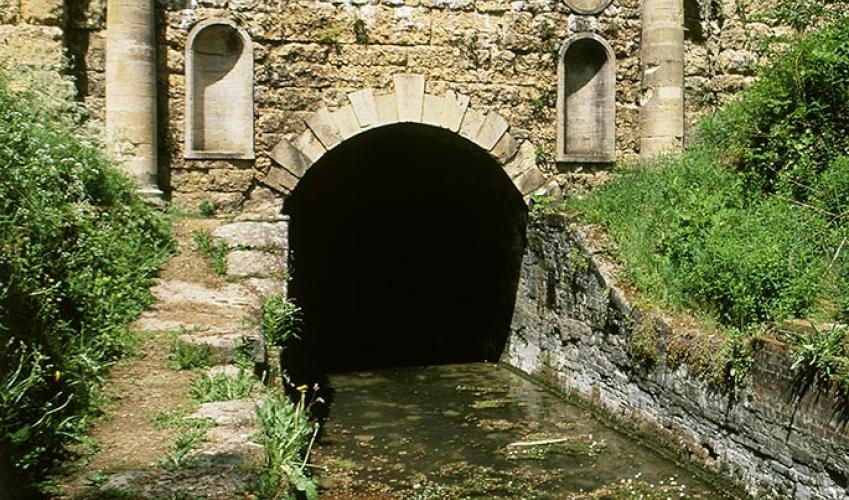
The Thames and Severn Canal at Sapperton
"Sapperton, both the focus of a major engineering project and a cradle for cultural change."
Walk directions
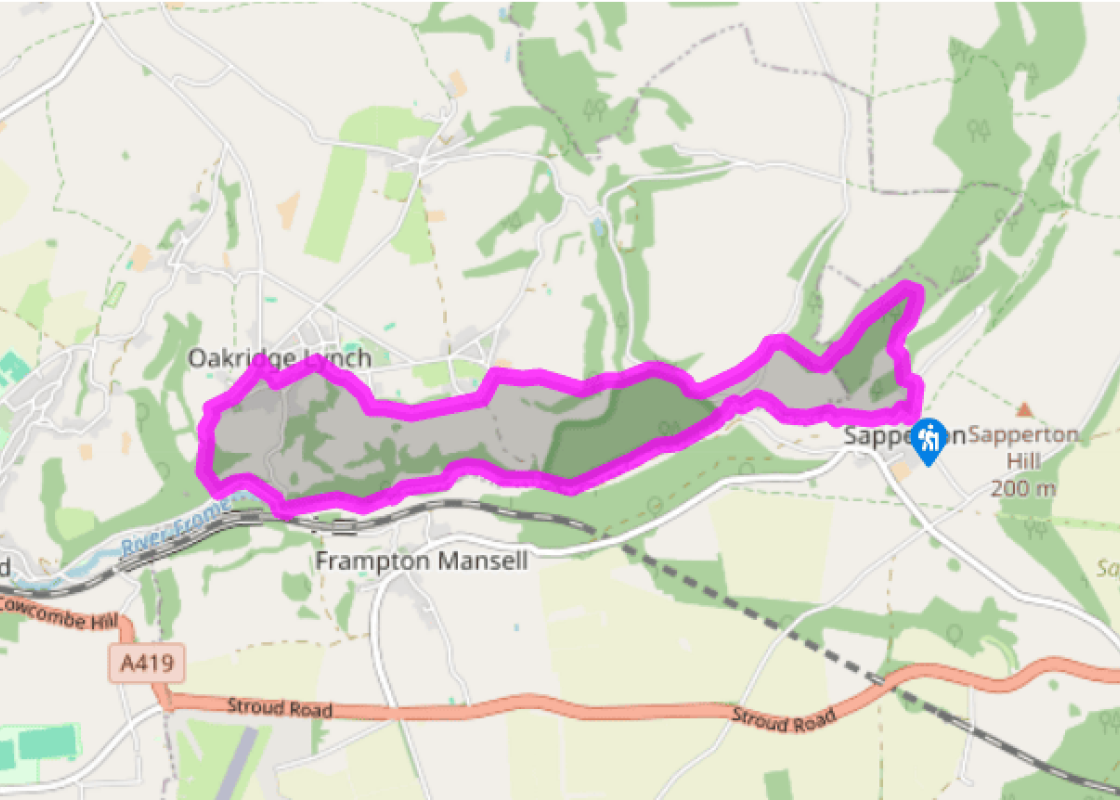
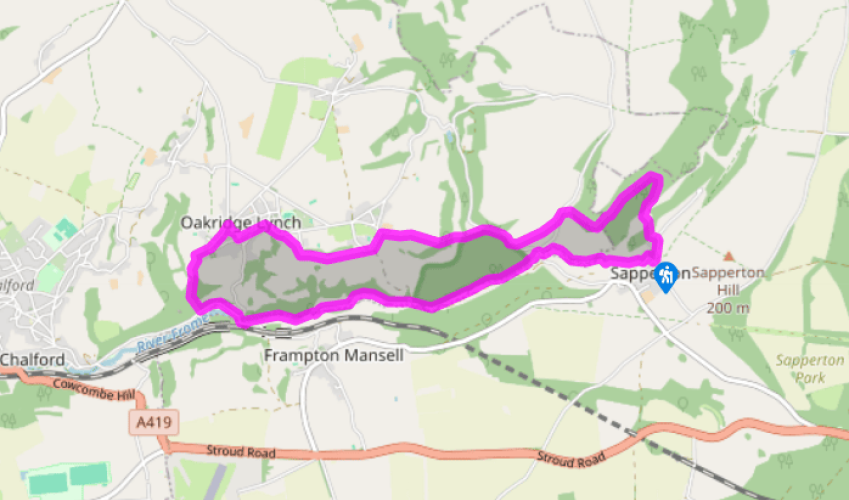
With the church to your left, walk along a ‘No Through Road’. Descend rapidly to a house entrance at the bottom and turn left onto a footpath. Follow the path right and into woodland.
Cross a stream and continue left uphill into woodland. Take the main path and, where it forks, go left uphill. Climb to a junction of tracks. Turn left at the guide post and follow the track through woodland for around 0.5 miles (800m) to a gate at a lane.
Turn left and then immediately right over a stile opposite Daneway House. Walk through the lower part of Daneway Banks nature reserve along a wide grassy area with a fence to the right, to a kissing gate at a lane. Turn right for 250yds (229m), then left onto a drive.
Walk down the drive of a house called Spring Bank, ignoring the stile into woodland on the left. Go along a narrow path next to the fence on your right. Go over a stile, ahead to another and cross a stone slab bridge, then go through a field to a gate into woodland and follow the path to a stile into a field. Bear right to a gate and stile, then walk straight ahead towards farm buildings. Cross a stile to the left of the farm and walk ahead to a lane.
Turn left and pass a junction, signed ‘Trillis’. At a sharp right corner go ahead into a field. Walk to a stile at the far end. Go straight across the next field and find a stile in the top right corner. Go straight ahead to follow the left margin of the next field to a stile at a road. Turn left along the road to descend through Oakridge Lynch.
At the bottom of the hill, bear left with the road, then take the right fork uphill. At a crossroads, turn right towards Bisley and climb steeply to a junction. Turn left. Walk to the end of the village green and bear right to a squeeze stile. Enter a field, keep close to a hedgerow on the left-hand side and cross three further stiles. Go across a field with a hedge close on your left to a stile into woodland. Descend steeply, then turn left over a stile and follow a footpath to a junction. Turn left downhill to reach a road.
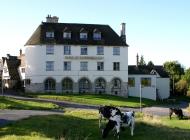
Turn left to a junction, then right to cross a bridge. Bear left and, after 50 paces, turn left again over a footbridge with a stile at each end. Turn right onto the canal towpath and follow the canal for 600yds (549m). Cross a canal bridge on the right and continue along the canal for a further 1.5 miles (2.4km). At a split in the path, bear left over a modern footbridge and continue along the towpath to a road by the Daneway Inn. Turn right over a bridge and then left to continue by the canal, keeping to the left and above a grassy picnic area. At Sapperton Tunnel, fork right, then bear left above the tunnel’s portico to a stile into a field. Bear slightly right up to a kissing gate, then left onto a path. Walk up to a lane, which leads back into Sapperton. Turn left and then right at the churchyard to return to the start.
Additional information
Terrain
- Woodland paths and tracks, fields, lanes and canalside paths, many stiles
Landscape
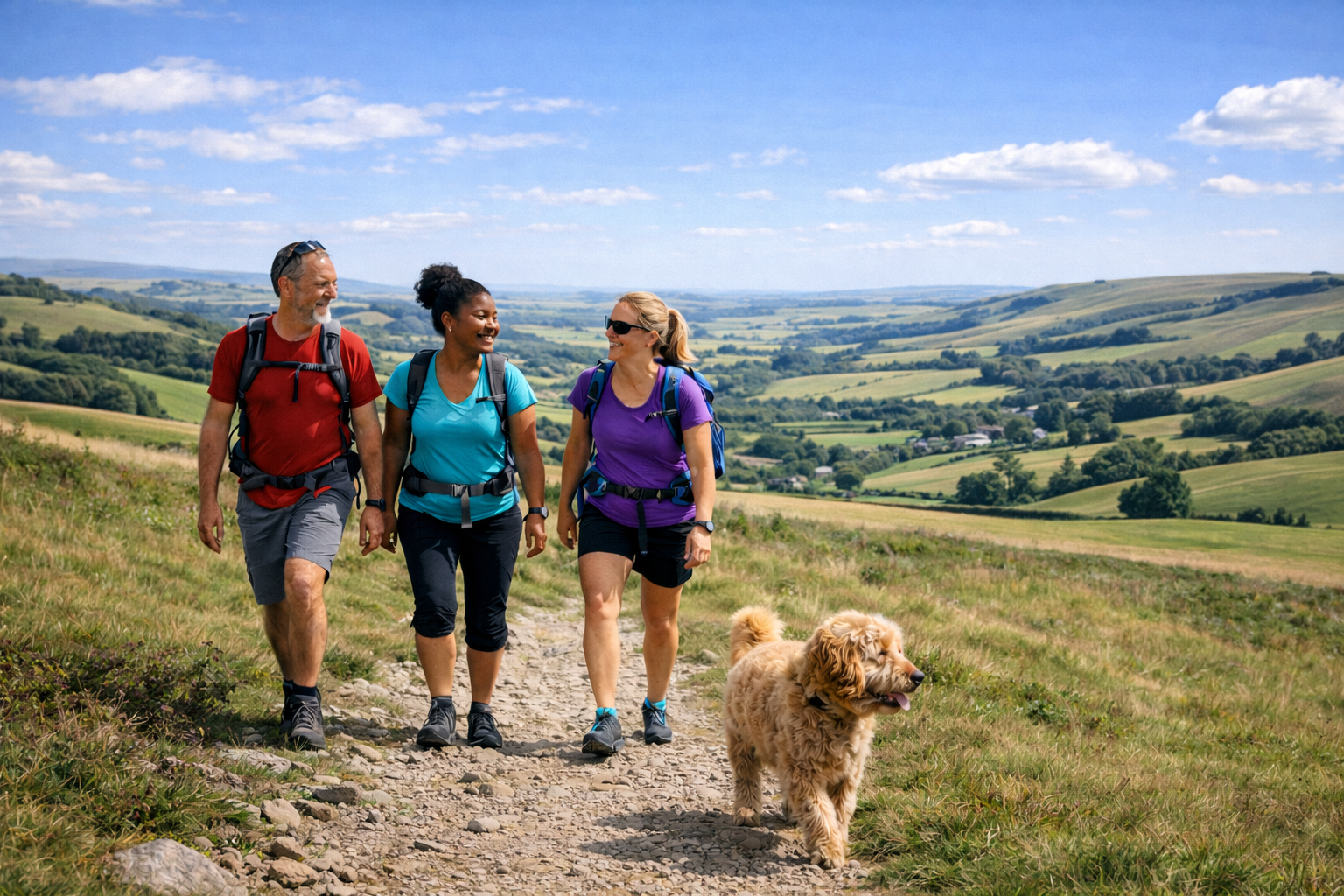
- Secluded valleys and villages
Dog friendliness
- Good – very little livestock
Parking
- In Sapperton village near church
Toilets en route
- None on route
About the walk
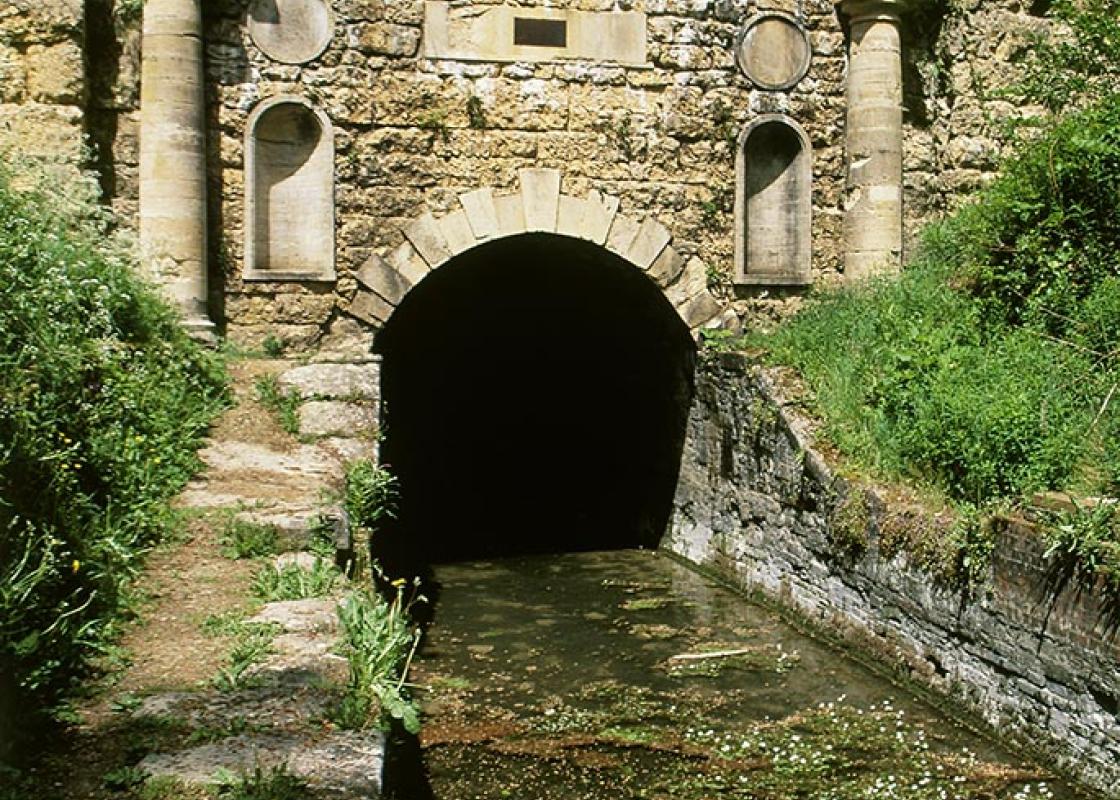
Sapperton was at the centre of two conflicting movements during the late 18th and early 20th centuries – the Industrial Revolution and the Romantic Revival. In the first case, it was canal technology that came to Sapperton. Canal construction was widespread throughout England from the mid-18th... century onwards. Investors poured their money into 18th-century joint stock companies, regardless of their profitability. Confidence was high and investors expected to reap the rewards of commercial success based on the need to ship goods swiftly across the country. One key project was thought to be the canal that would link the River Severn and the River Thames. The main obstacle was the need for a tunnel through the Cotswolds, at unknown cost. But these were heady days, and investors’ money was forthcoming to press ahead with the scheme in 1783. During the tunnel’s construction, the diarist and traveller John Byng visited the workings. With obvious distaste he wrote, ‘I was enveloped in thick smoke arising from the gunpowder of the miners, at whom, after passing by many labourers who work by small candles, I did at last arrive; they come from the Derbyshire and Cornish mines, are in eternal danger and frequently perish by falls of earth.’ The Thames and Severn Canal opened in 1789, linking the Thames at Lechlade with the Stroudwater Navigation at Stroud. The Sapperton Tunnel, at 3,400yds (3,109m) long, is still one of the longest transport tunnels in the country. Barges were propelled through the tunnel by means of ‘leggers’ – men who laid on their backs on boards sticking out from the barge and ‘walked’ the barge through the tunnel. Yet the canal was not a success: either there was too much or too little water, and rockfalls and leakages required constant attention. The cost of maintaining the tunnel led to the closure of the canal in 1911. It isn’t just the great canal tunnel that is of interest in Sapperton. Some of the cottages here were built by disciples of designer William Morris (1834–96). He was the doyen of the Arts and Crafts Movement, which aspired to reintroduce to English life a simple yet decorative functionality, in part as a reaction to the growing mass-production methods engendered by the Industrial Revolution. Furniture makers and architects like Ernest Gimson (from Leicestershire), Sidney and Ernest Barnsley (from Birmingham) and Norman Jewson (from Norwich) all worked in Daneway, at Daneway House. Gimson and the Barnsley brothers are buried at Sapperton Church. And, in fact, you’ll find the finest example of the Arts and Crafts vernacular-style architecture in Sapperton at Upper Dorval House. The entrance to the western end of the Sapperton Tunnel is in fact in the hamlet of Daneway, a short walk along the path from the Daneway Inn.
Read more
Been on this walk?
Send us photos or a comment about this route. Or recommend a route of your own.

Walking in Safety
Read our tips to look after yourself and the environment when following this walk.
Get an AA guide
Explore our range of ‘50 Walks in’ guides - they’re the ideal companion for a ramble.
Been on this walk?
Send us photos or a comment about this route. Or recommend a route of your own.
Walking in Safety
Read our tips to look after yourself and the environment when following this walk.
Get an AA guide
Explore our range of ‘50 Walks in’ guides - they’re the ideal companion for a ramble.
About the area
Gloucestershire is home to a variety of landscapes, including the Cotswolds, a region of gentle hills, valleys and gem-like villages that roll through the county. To their west is the Severn Plain, watered by Britain’s longest river and characterised by orchards and farms marked out by hedgerows that blaze with mayflower in the spring; beyond the Severn are the Forest of Dean and the Wye Valley.
Nearby places to stay
View all (8)
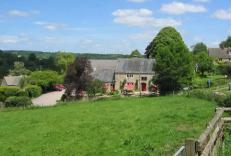
Inn
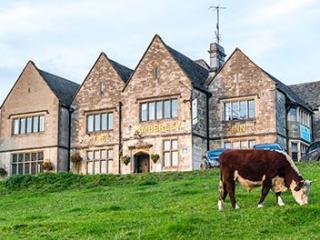
The Crown Inn
★★★★
"Cosy former cider house in a pleasant location...."
- Rooms 12
- Wifi
- Open parking
Guest Accommodation
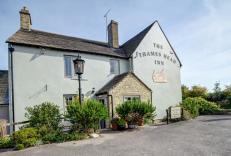
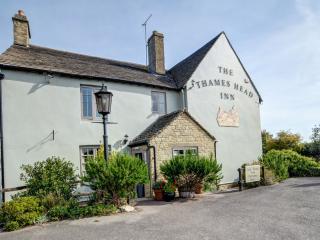
The Thames Head Inn
Quality Assessed
"Charming base for visitors to the Cotswolds, Bath or Cheltenham Races...."
Caravan & Camping
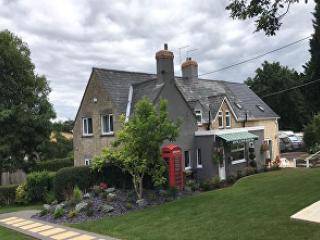
Mayfield Park
★★★★
"On the edge of the Cotswolds close to Cirencester...."
- Launderette
- Ice pack facility
- Picnic Area
- Shop onsite
Nearby places to stay
The Crown Inn
The Crown Inn was a cider house in the 17th century, and guests today will find that roaring log fires, locally brewed ales and traditional, home-cooked food are all on offer. The comfo...
★★★★ Rating
The Thames Head Inn
The Thames Head Inn is a unique Gloucestershire pub situated between Cirencester and Tetbury serving excellent food in a friendly, relaxed atmosphere. There is a large, well-stocked cen...
Quality Assessed
Mayfield Park
A much improved and gently sloping park on the edge of the Cotswolds that offers level pitches and a warm welcome. Popular with couples and families, it has well-appointed, fully servic...
★★★★ Rating
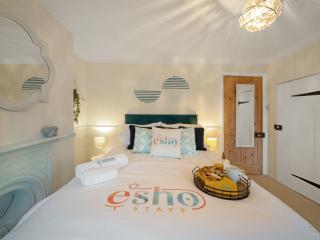
Esho Stays Ltd - Cirencester
Esho Stays Cirencester offers 3 beautifully decorated, well-located properties: a homely 3-bed house (16 Ashcroft Road), a 2-bed apartment in a historic building (53 Dollar Street), and...
Quality Assessed
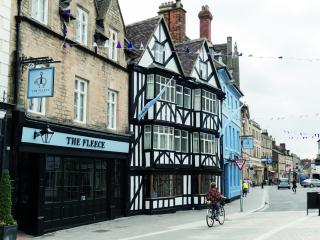
The Fleece at Cirencester
Located in the heart of the market town of Cirencester, this country inn has been finished to a high standard with guests and comfort in mind. Bedrooms are sumptuous, and many thoughtfu...
★★★★★ Rating
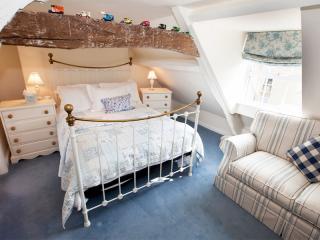
The Old Brewhouse
The Old Brewhouse, a delightful 17th-century town house, is within easy reach of the centre of Cirencester, the Roman Corinium. Holder of a Breakfast Award, the four guest rooms are bui...
★★★★ Rating
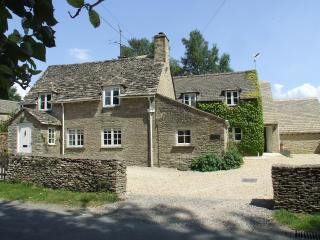
Well Cottage Bed & Breakfast
Situated on the Thames Path in a quiet village just three miles from Cirencester, Well Cottage Bed & Breakfast offers three comfortable and attractively furnished bedrooms in a 200-year...
★★★★ Rating
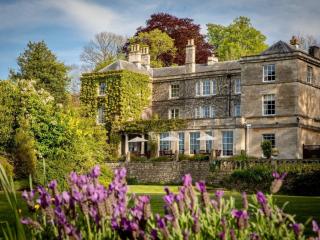
Burleigh Court Hotel
Burleigh Court Hotel is a former gentleman's manor house that dates back to the 18th century, and is set in a secluded and elevated, though accessible, position with some wonderful coun...
★★★★ Rating
Places to eat nearby View all