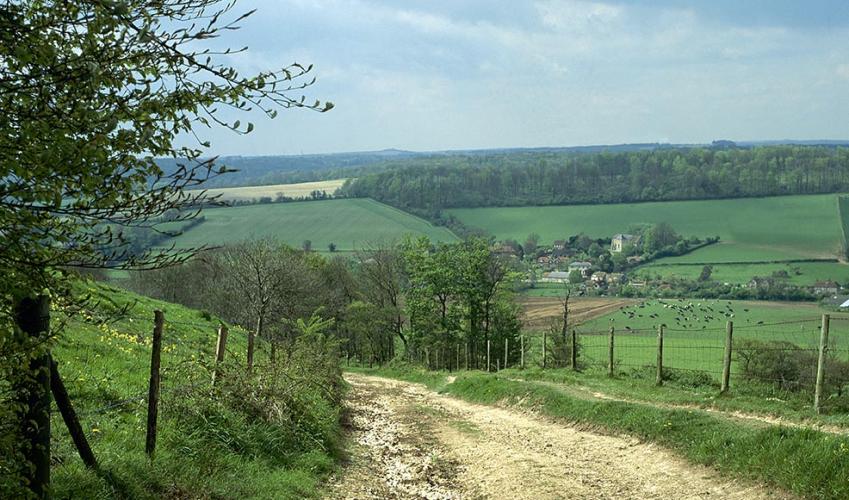
Views at Kingley Vale
Recommended by

Our view
"Discover a magical ancient forest and allow your imagination to run riot on this exhilarating walk high up on the South Downs."
Walk directions
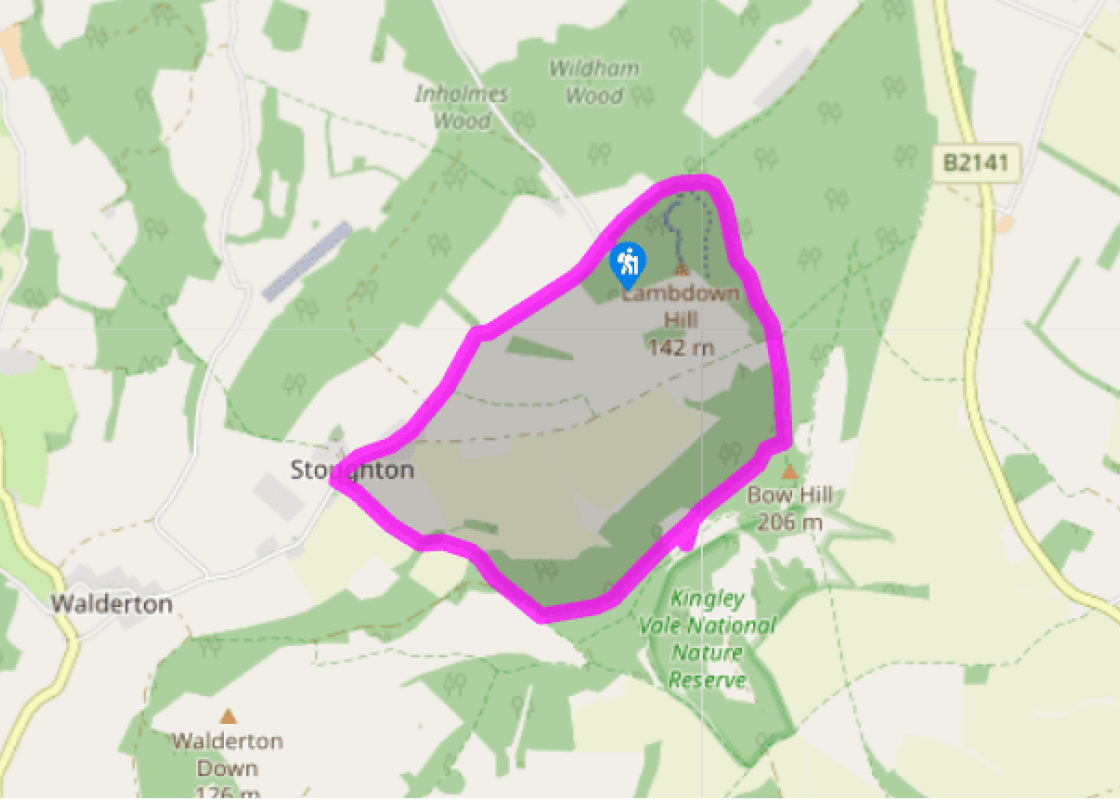
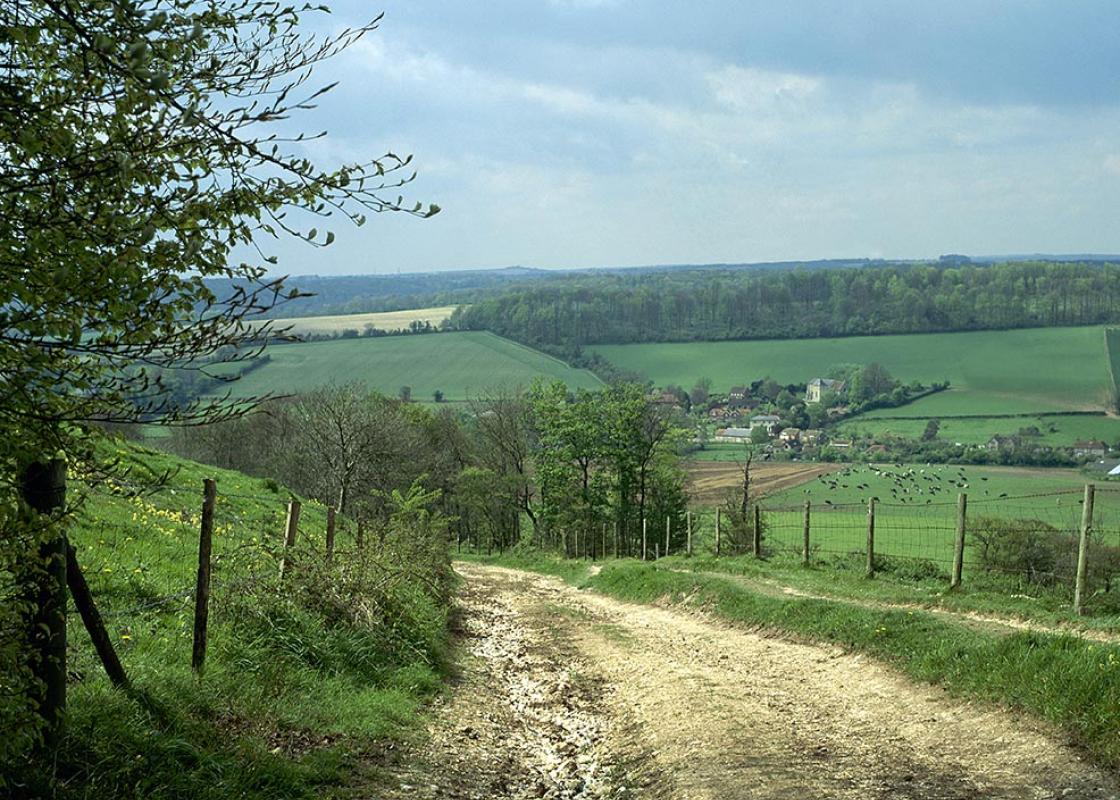
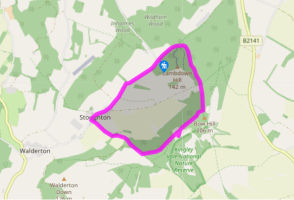
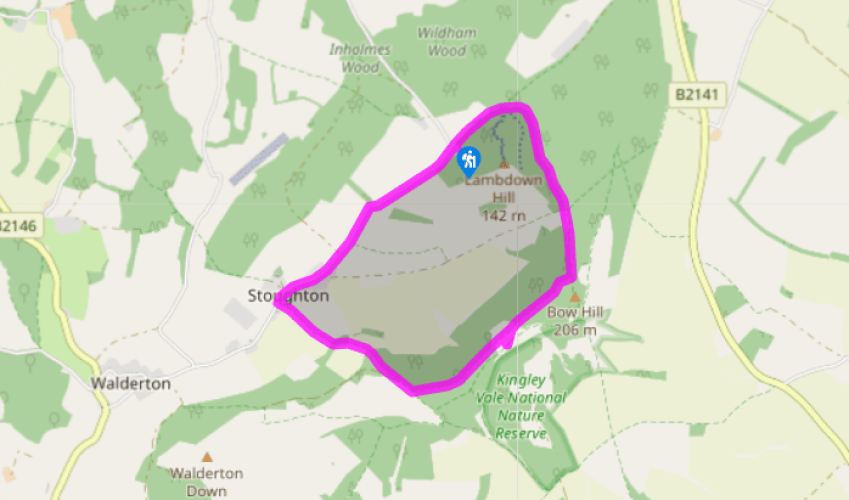
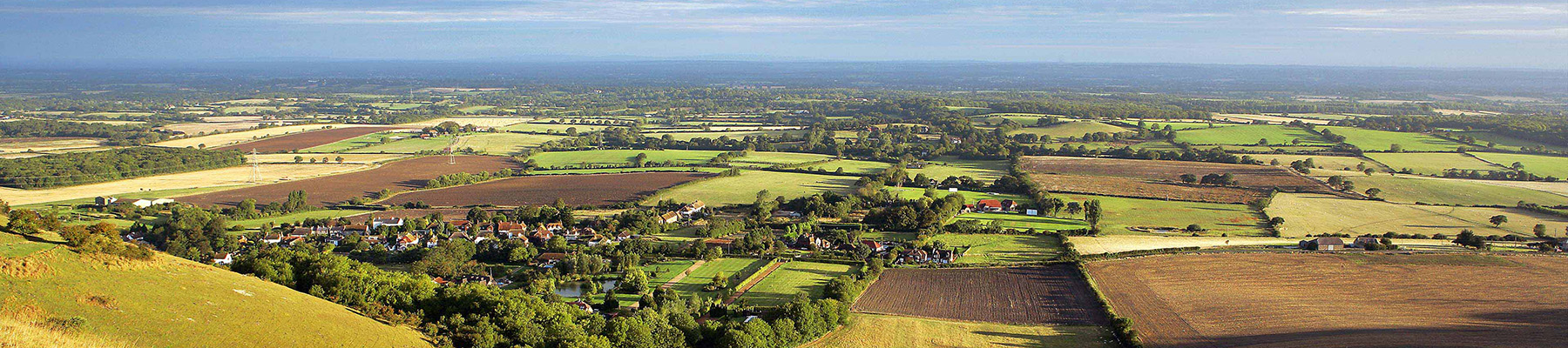
Take the bridleway (signposted from the car park entrance), leading away from the road and through a metal barrier, skirting dense woodland. There are striking views on the left over well-wooded countryside. Keep right at a fork and follow the stony path as it curves to the right. Veer slightly right as signposted at the next waymarked fork, and begin a gradual ascent beneath the boughs of beech and oak trees.
Eventually break cover from the trees at a major junction of waymarked tracks. Go straight on, looking to the right for spectacular views. After 125yds (41m), fork left at the next bridleway sign and join a path running parallel to the track. Cut between trees and keep going for 0.25 miles (400m) until you reach a waymarker post. Fork right here. Keep to the waymarked path as it runs down the slope. Rejoin the stony track, turning left to follow it up the slope towards Bow Hill.
View all directions
Additional information
Terrain
- Mostly woodland paths and downland tracks
Landscape
- Dense woodland and rolling downland
Dog friendliness
- Under control in Stoughton village; elsewhere off lead unless signs state otherwise
Parking
- Free car park at Stoughton Down
Toilets en route
- None on route
About the walk
You might not expect to find the largest yew forest in Europe tucked away in the South Downs, but that’s exactly where it is. This remote downland landscape, covering more than 200 acres (81ha) is cloaked with 30,000 yew trees. Once a wartime artillery range, Kingley Vale became one of Britain’s...
Read more

Been on this walk?
Send us photos or a comment about this route. Or recommend a route of your own.

Walking in Safety
Read our tips to look after yourself and the environment when following this walk.
Get an AA guide
Explore our range of ‘50 Walks in’ guides - they’re the ideal companion for a ramble.
Been on this walk?
Send us photos or a comment about this route. Or recommend a route of your own.
Walking in Safety
Read our tips to look after yourself and the environment when following this walk.
Get an AA guide
Explore our range of ‘50 Walks in’ guides - they’re the ideal companion for a ramble.
About the area
Divided from East Sussex back in 1888, West Sussex has a variety of landscapes and coastal scenery, but it is the spacious and open South Downs with which the county is most closely associated. There are plenty of walking routes in the South Downs National Park, cycling routes by the sea or visitors can explore the pretty town of Arundel with its historic castle and buildings.
Nearby places to stay
View all (8)




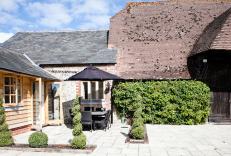
Self-Catering
Keepers & The Old Stables at West Marden Farm

- Total units: 2
- Private garden
- Lawn area
- Garden furniture
Nearby places to stay
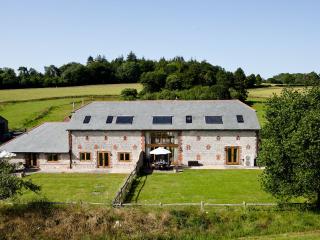
Pitlands Barns
Pitlands Farm is a family run farm that's been in the same family for more than 85 years. An 1844 Sussex flint barn was tastefully converted into three beautifully appointed luxury self...
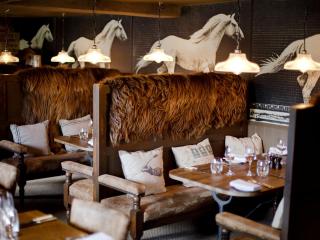
White Horse
The White Horse Inn is an 18th-century coaching inn, located on the edge of the South Downs. The timber-clad accommodation is tucked away to the side of the old inn, and takes full adva...
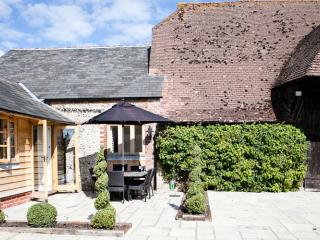
Keepers & The Old Stables at West Marden Farm
Keepers is the perfect place to relax and recharge in an Area of Outstanding Natural Beauty in a Sussex downland village. Located on a working arable farm, the property is perfectly pla...
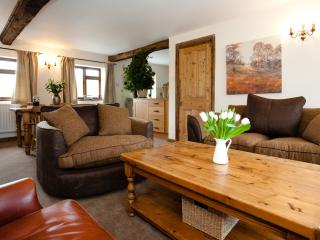
Barley Cottage at West Marden Farm
Barley Cottage is a single-storey property located at the entrance to a beautiful traditional Sussex farm. Fully refurbished, guests can enjoy the original features of its beamed and fl...
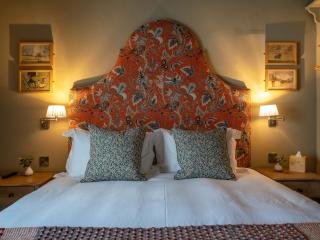
Horse and Groom
The Horse & Groom is former blacksmith's shop, which is more than 200 years old. Inside are many original features such as flagstone floors, wooden wall panels/beams and exposed stone w...
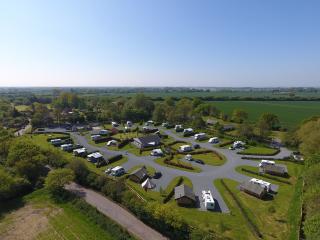
Concierge Camping
Developing Concierge Camping has been a labour of love for owners, Tracey and Guy Hodgkin. It is a first-class, multi award-winning park for 37 units offering large, fully serviced pitc...
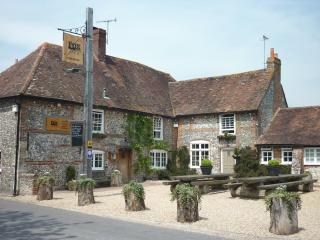
The Fox Goes Free
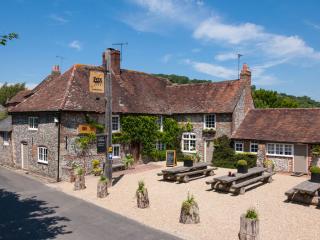
Nestled beside the South Downs Way, The Fox Goes Free offers stylish, comfortable rooms in a beautifully restored country pub. Perfect for walkers, culture lovers and weekend escapees, ...
The White Hart, South Harting
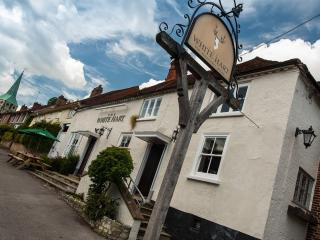
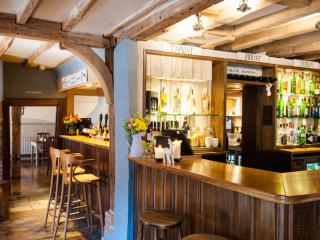
The White Hart in South Harting is a 16th-century inn with an abundance of character. Within the South Downs National Park & well located for anyone walking the South Downs Way. Located...
Places to eat nearby View all