Additional information
Terrain
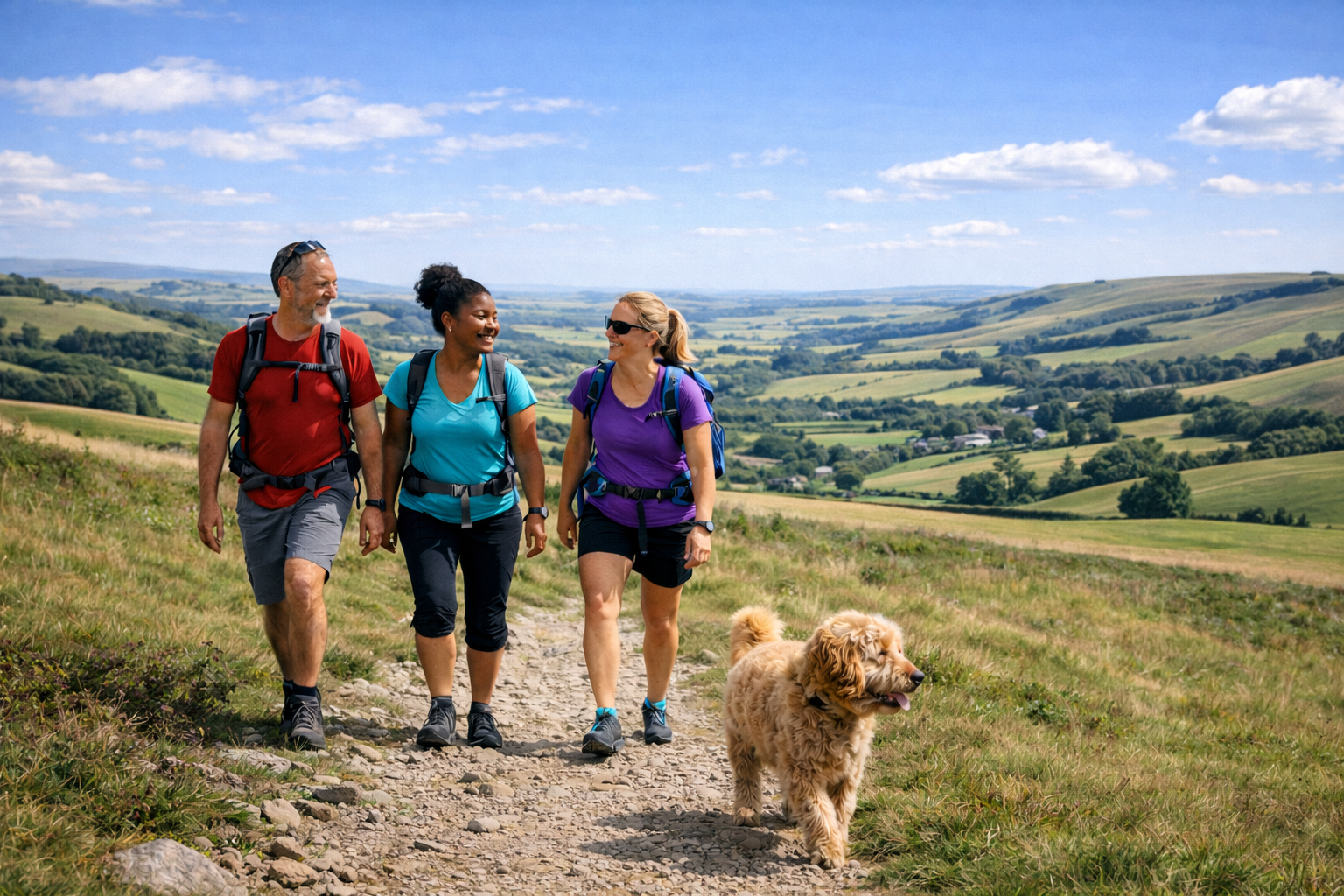
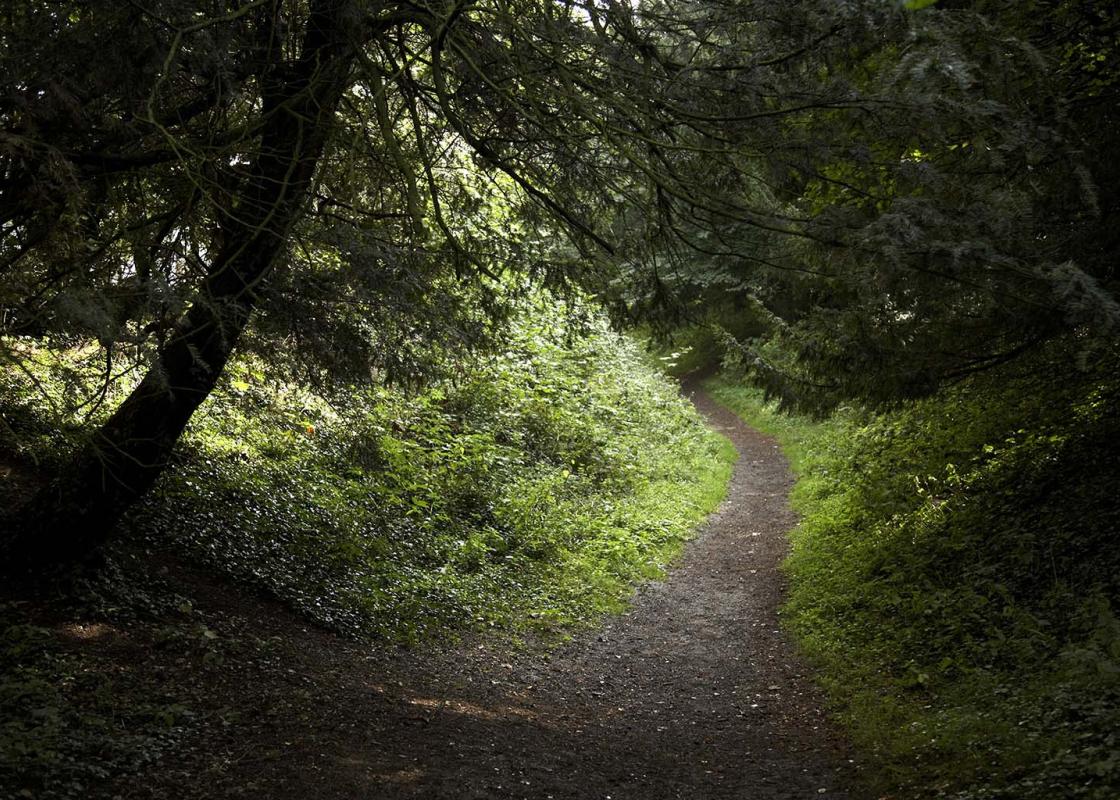
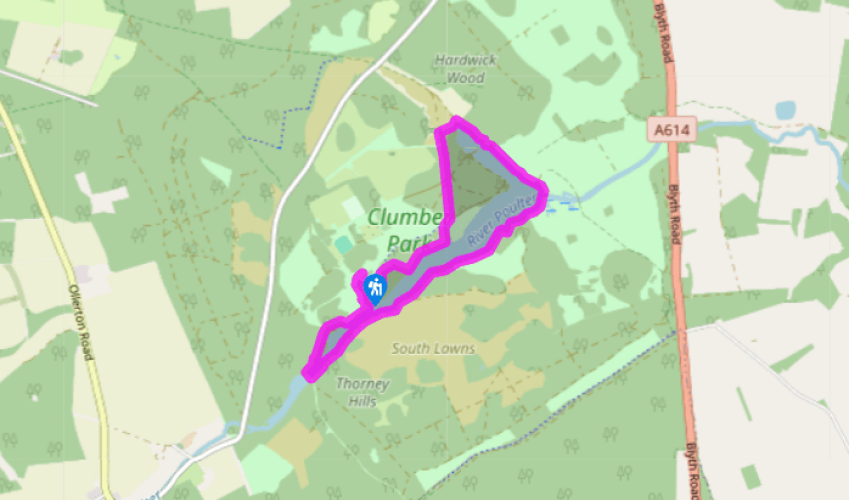
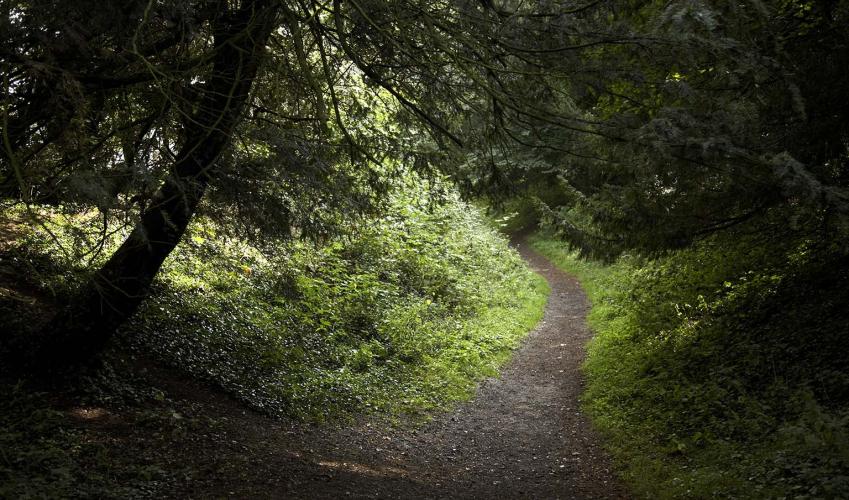
- Clear, level paths and tracks throughout, some steps
Landscape
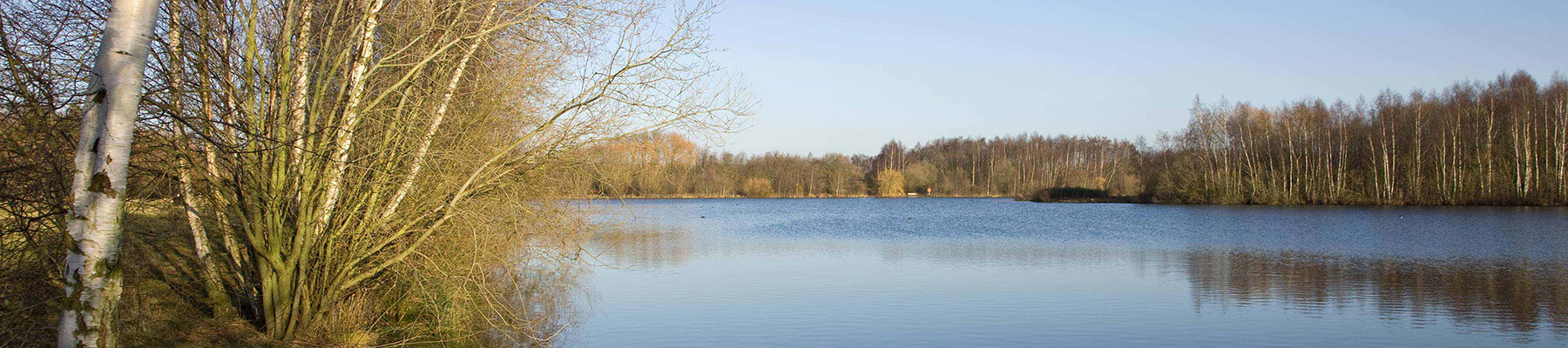
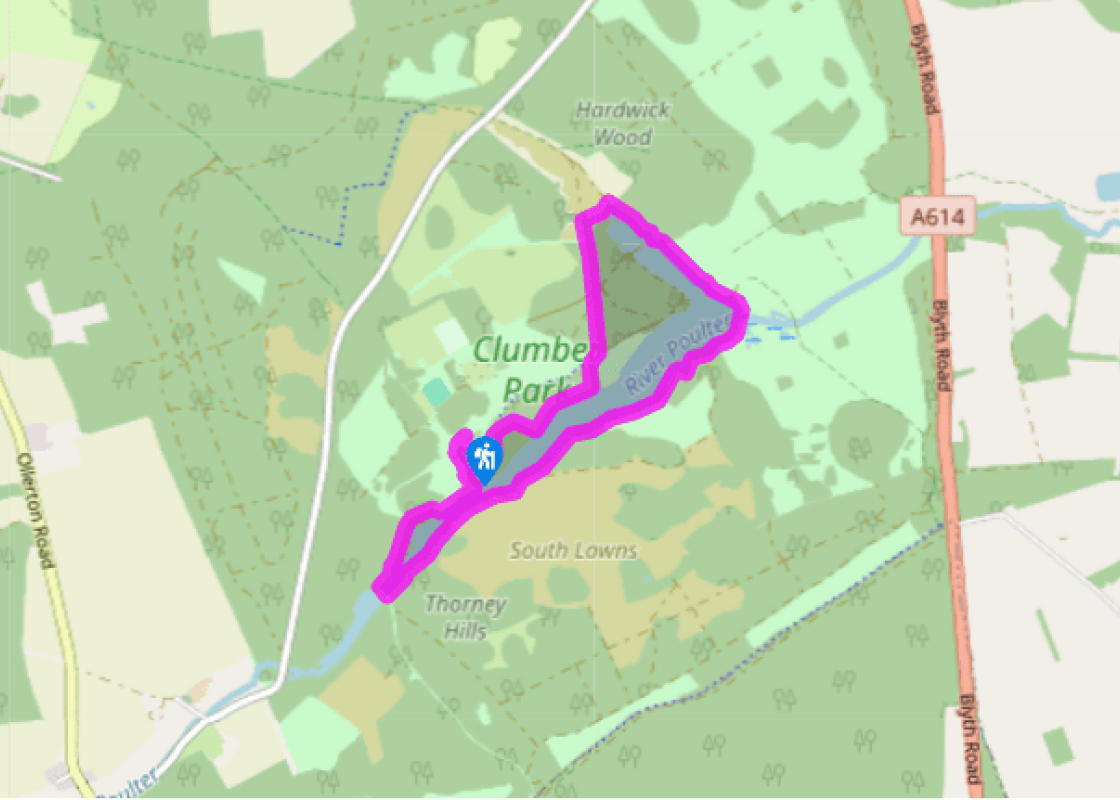
- Landscaped parkland surrounding ornamental lake
Dog friendliness
- Generally good, with off-lead areas
Parking
- Main car park in Clumber Park (charge for non-National Trust members)
Toilets en route
- At car park, and half-way round near Hardwick village
About the walk
There are few more popular and scenic locations for a family day out in the East Midlands than Clumber Park, with walking and cycling routes aplenty. What is rather bizarre, however, is that the centrepiece of the original estate vanished many years ago. The building of Clumber House didn't begin... until the 18th century but, typical of the age, the Duke of Newcastle, who had been granted the right to enclose what was until then a part of Sherwood Forest, set about it in style. Gatehouses and follies sprang up, and the River Poulter was dammed to form a vast lake complete with boathouses and a classical bridge (although, it took 15 years and over £6,000 to build). A small chain ferry was installed to cross the lake, and a full-time sailor was even employed to crew a model naval frigate called The Lincoln, which resided on the water as a floating summer house until it caught fire and sank in the 1940s. The house was filled with rare books and paintings, while the park was planted with thousands of trees, including a 2-mile (3.2km) avenue of limes which, it is claimed, remains the longest in Europe. However, after the death of the 7th Duke of Newcastle in 1928 the fortune of Clumber took a turn for the worse, and the exorbitant running costs of the huge house and estate forced its closure. The contents of the house were sold off at auction and the redundant building was demolished ten years later. During World War II the park was requisitioned for trials of new military equipment, and on one occasion Winston Churchill visited to view a new trench-digging machine known as the 'White Rabbit' (the scars on the land can still be seen). Clumber saved for the nation Happily for Clumber, the National Trust stepped in and negotiated to purchase the 3,800-acre (1,539ha) park as part of its Golden Jubilee celebrations in 1945. The land includes extensive tracts of grassland and heathland, in addition to the formal walkways and avenues. However, almost half of Clumber Park is taken up by woodland, with a wonderful array of mature beech, oak, chestnut and pine, as well as more exotic introductions. A tree nursery is also being developed to grow trees from seed collected in the park, and among the other visitor attractions is a walled kitchen garden, which apart from organically managed vegetable plots also features a palm house, vines and figs. Although the house is long gone, the original stable blocks now serves as the information point, with adjacent tea rooms, and near by the Clumber Chapel, begun in 1868 and a wonderful example of extravagant Gothic Revival architecture, is still used three Sundays a month for services.
Read more
Nottinghamshire
Most people associate Nottinghamshire in the East Midlands with the legend of Robin Hood, though the former royal hunting ground of Sherwood Forest has been somewhat tamed since Robin’s outlaw days. Traditionally, the county’s primary industry, alongside agriculture, was coal mining but it is also an oil producing area, and during World War II produced the only oil out of reach of the German U-Boats.