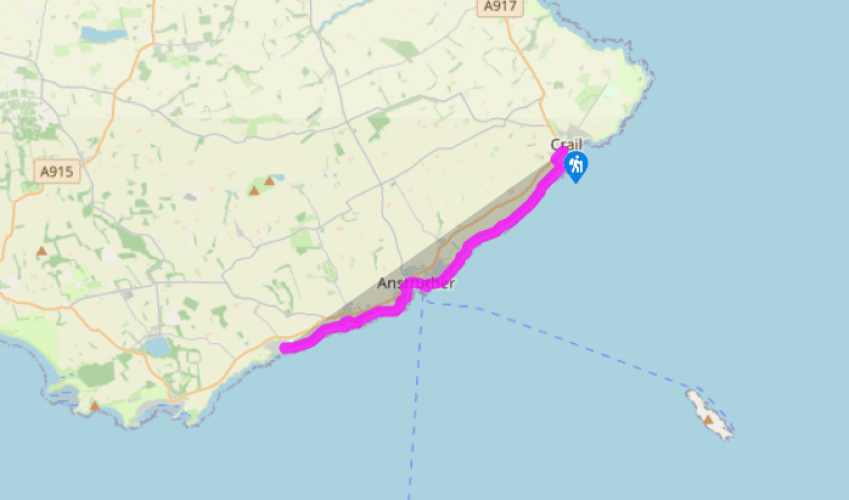
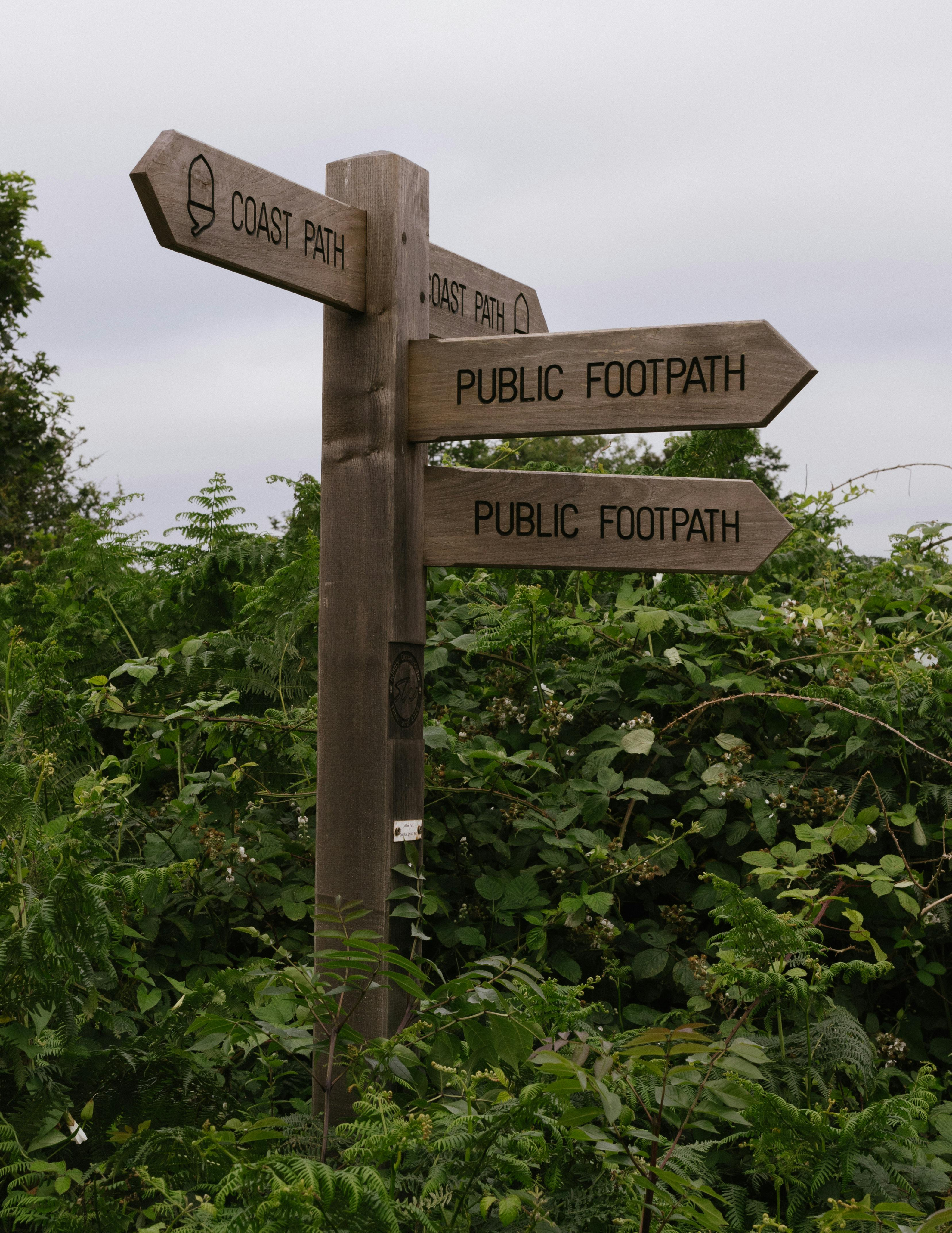
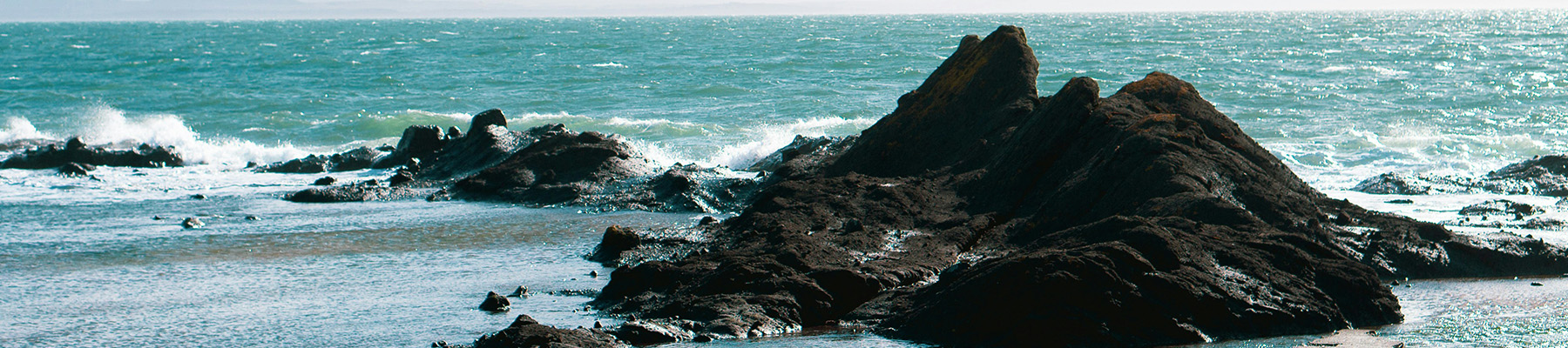
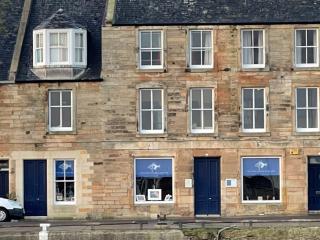
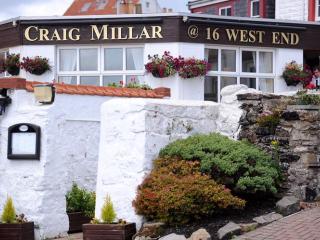
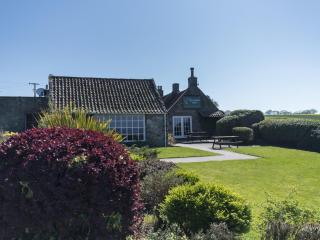
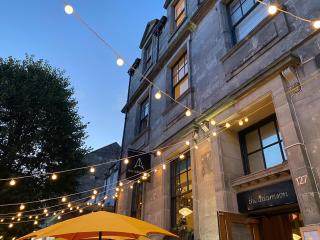
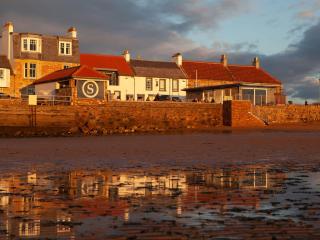
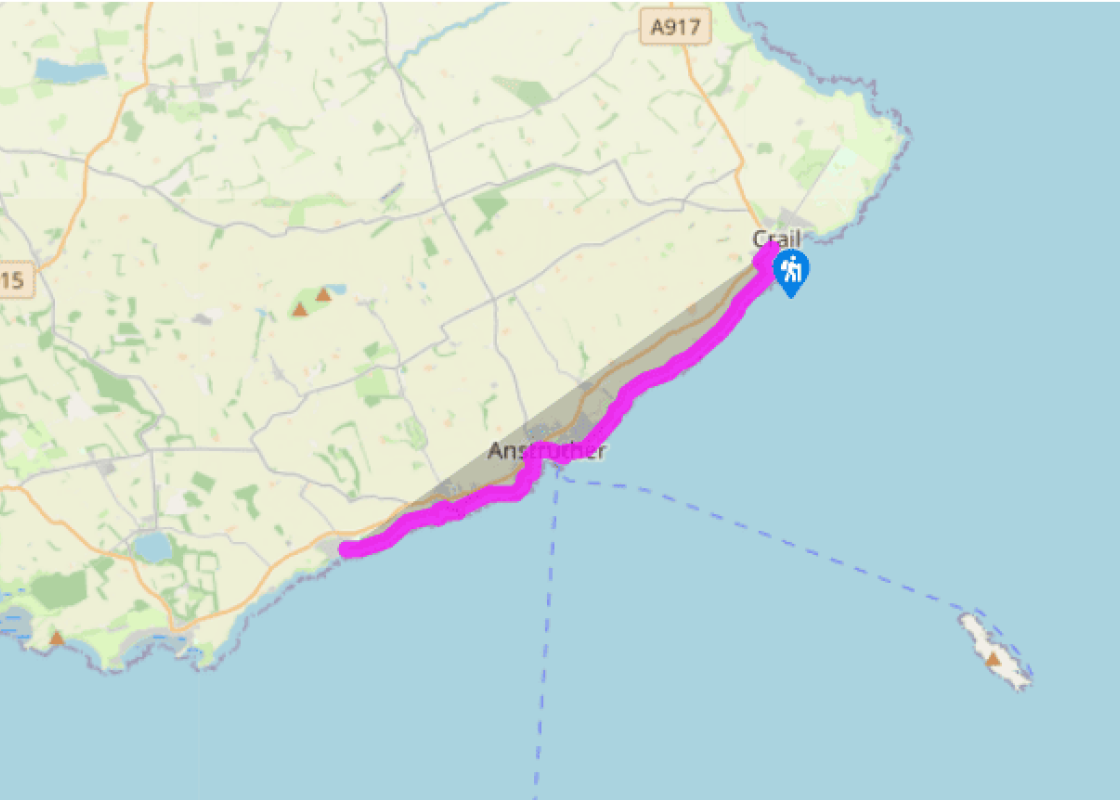
At the back of the harbour, steps lead to a steep path, Hen Stairs, up to the main street. Turn left until the road bends right, when a street on the left leads to the coast path. The Isle of May is seen offshore: this fragment of a dolerite sill is a nature reserve, with boat trips running to it from Anstruther. A mile (1.6km) or so from Crail, the path goes through the area known as the Pans. This is one of a number of sites on the Fife coast where salt was evaporated out from seawater: an important trade in former centuries.
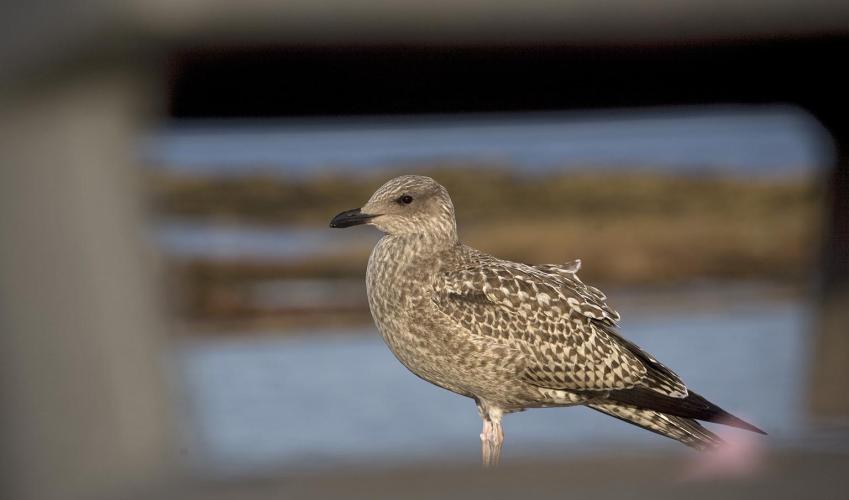
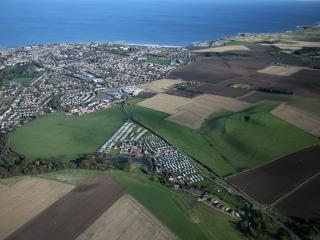
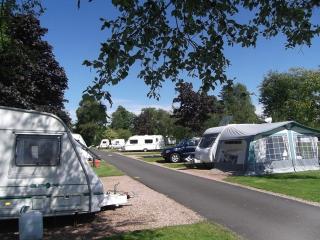
In a further mile (1.6km) the path reaches the Caiplie Caves, another set of fantastically eroded sandstone caves. They can be reached only on foot. This is a place to linger, to enjoy the sea views and the birdlife, and the strange shapes carved by wind and water. After a caravan settlement the path leads through Cellardyke, named from cellars built here by the fisherfolk for their tackle.
At Anstruther Harbour (the name is pronounced more like ‘Enster’ by locals) is the Scottish Fisheries Museum, full of interest and well worth a visit. The parish church of Anstruther Easter dates from 1634. Around it are narrow wynds with old buildings, including Melville’s Manse, which was built in 1590 by the minister and diarist James Melville.
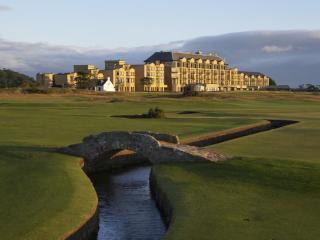
You leave Anstruther on the main A917 road past the yellow harled church. After a left bend take the first on the left, Crichton Street. From its end the path passes next to the sea alongside another links golf course to enter Pittenweem. The old kirk here dates from 1588, and in the High Street is the 16th century Kellie Lodge.
Pittenweem is Fife’s only working fishing harbour; there's a covered fish market and the fleet holds a gala day each summer. Directly behind the harbour a narrow alley, Cove Wynd, leads to the nearby cave used by St Fillan in the 7th century. A further mile (1.5km) of splendid coast-walking leads to the site of the Newark Coal and Salt Company.
Here are remnants of the buildings where seawater was boiled, below a restored windmill. An information board gives details of the twin industry which flourished here from 1772 until the 1820s. It took 1kg of Fife coal to boil 10ltr of water and produce 350g of salt (1lb of coal boils 1 gallon of water for 6oz of salt.) There were nine salt panhouses here; production was continuous but salt could be sold only between sunrise and sunset. The shoreline path leads to another very attractive village at St Monans. St Monans has been a burgh since 1621. It has fine old fishermen’s cottages which have been well restored.
Terrain
- Small but clear coastal paths, village streets, 2 stiles
Landscape
- Quiet, grassy shoreline, then a succession of pretty fishing villages
Dog friendliness
- On lead passing livestock and in towns
Parking
- Street parking Crail (away from the harbour); Anstruther Easter east end; street parking St Monans, pay-and-display at harbour
Toilets en route
- Crail harbour and main street; Anstruther Easter east end, harbour, golf course; Pittenweem harbour; St Monans (up Forth Street from harbour)
Crail is a traditional fishing village with a 17th-century harbour. On the hill behind the harbour stands Crail House, built on the site of the earlier castle dating from the time of King David I in the 12th century. A Crail of a time The coast of Fife is from the Carboniferous, the coal time.... It's when the UK was drifting northwards across the equator, a stinky swamp of giant ferns, giant frogs, and dragonflies the size of seagulls. Fossils can sometimes be hard to spot – but not at Crail, where the fossil tree-stump is the size of a small dining table. Alongside it are fragments of ancient timber turned to a smear of coal, and the footprints of a monster millipede that was about as long at the average shoreline walker is tall.Find the fossil tree by heading south for 220 yds (200m) along the foreshore from the harbour – it's a few steps below the high tide line. The millipede footprints are 30yds (30m) beyond the fossil tree, above the high tide line and a couple of metres up the low cliffs. Alongside the church is a lump of dolerite magma flung ashore by Satan himself, trying to destroy the church while standing on the Isle of May – and yes, dolerite is what that island's made of. St Fillan legs it across Scotland Pittenweem means 'place of the cave'. St Fillan's cave was originally reached from the sea. A tunnel once linked it inland, and it was used by smugglers. But its first human use was as a shrine associated with the monks on the Isle of May. St Fillan himself was one of the first long-distance walkers of Scotland – a chapel of his is passed on the West Highland Way, at the opposite side of the country. Son of an Irish chieftain and Saint Kentigerna, this missionary and hermit walked over Scotland from Perthshire to Pittenweem before settling in Strath Fillan. He died in about AD 777. The saint's special superhero power (according to legend) was his left arm, which glowed in the dark so that he could read the Bible at night. This arm was preserved after his death in a special decorated container, or reliquary. Just 550 years later, preparing for the battle at Bannockburn, King Robert of Scotland called for Fillan's arm as a secret weapon to carry in front of the soldiers. The keeper of the relic decided to keep it out of arm's way (as it were) by bringing only the empty reliquary. But during prayers before the battle, the case flew open, with the self-illumining arm having flown of its own accord back into its place. Bruce went on defeat the English and win Scotland's independence – by force of arm.
This 20-mile wide peninsula between the Firth of Forth and the Firth of Tay is an ancient kingdom, once the home of Scotland’s kings and saints. Despite its modern bridges it still seems curiously detached from the rest of the country.
At the back of the harbour, steps lead to a steep path, Hen Stairs, up to the main street. Turn left until the road bends right, when a street on the left leads to the coast path. The Isle of May is seen offshore: this fragment of a dolerite sill is a nature reserve, with boat trips running to it from Anstruther. A mile (1.6km) or so from Crail, the path goes through the area known as the Pans. This is one of a number of sites on the Fife coast where salt was evaporated out from seawater: an important trade in former centuries.
1 of 5
In a further mile (1.6km) the path reaches the Caiplie Caves, another set of fantastically eroded sandstone caves. They can be reached only on foot. This is a place to linger, to enjoy the sea views and the birdlife, and the strange shapes carved by wind and water. After a caravan settlement the path leads through Cellardyke, named from cellars built here by the fisherfolk for their tackle.
2 of 5
At Anstruther Harbour (the name is pronounced more like ‘Enster’ by locals) is the Scottish Fisheries Museum, full of interest and well worth a visit. The parish church of Anstruther Easter dates from 1634. Around it are narrow wynds with old buildings, including Melville’s Manse, which was built in 1590 by the minister and diarist James Melville.
You leave Anstruther on the main A917 road past the yellow harled church. After a left bend take the first on the left, Crichton Street. From its end the path passes next to the sea alongside another links golf course to enter Pittenweem. The old kirk here dates from 1588, and in the High Street is the 16th century Kellie Lodge.
3 of 5
Pittenweem is Fife’s only working fishing harbour; there's a covered fish market and the fleet holds a gala day each summer. Directly behind the harbour a narrow alley, Cove Wynd, leads to the nearby cave used by St Fillan in the 7th century. A further mile (1.5km) of splendid coast-walking leads to the site of the Newark Coal and Salt Company.
4 of 5
Here are remnants of the buildings where seawater was boiled, below a restored windmill. An information board gives details of the twin industry which flourished here from 1772 until the 1820s. It took 1kg of Fife coal to boil 10ltr of water and produce 350g of salt (1lb of coal boils 1 gallon of water for 6oz of salt.) There were nine salt panhouses here; production was continuous but salt could be sold only between sunrise and sunset. The shoreline path leads to another very attractive village at St Monans. St Monans has been a burgh since 1621. It has fine old fishermen’s cottages which have been well restored.
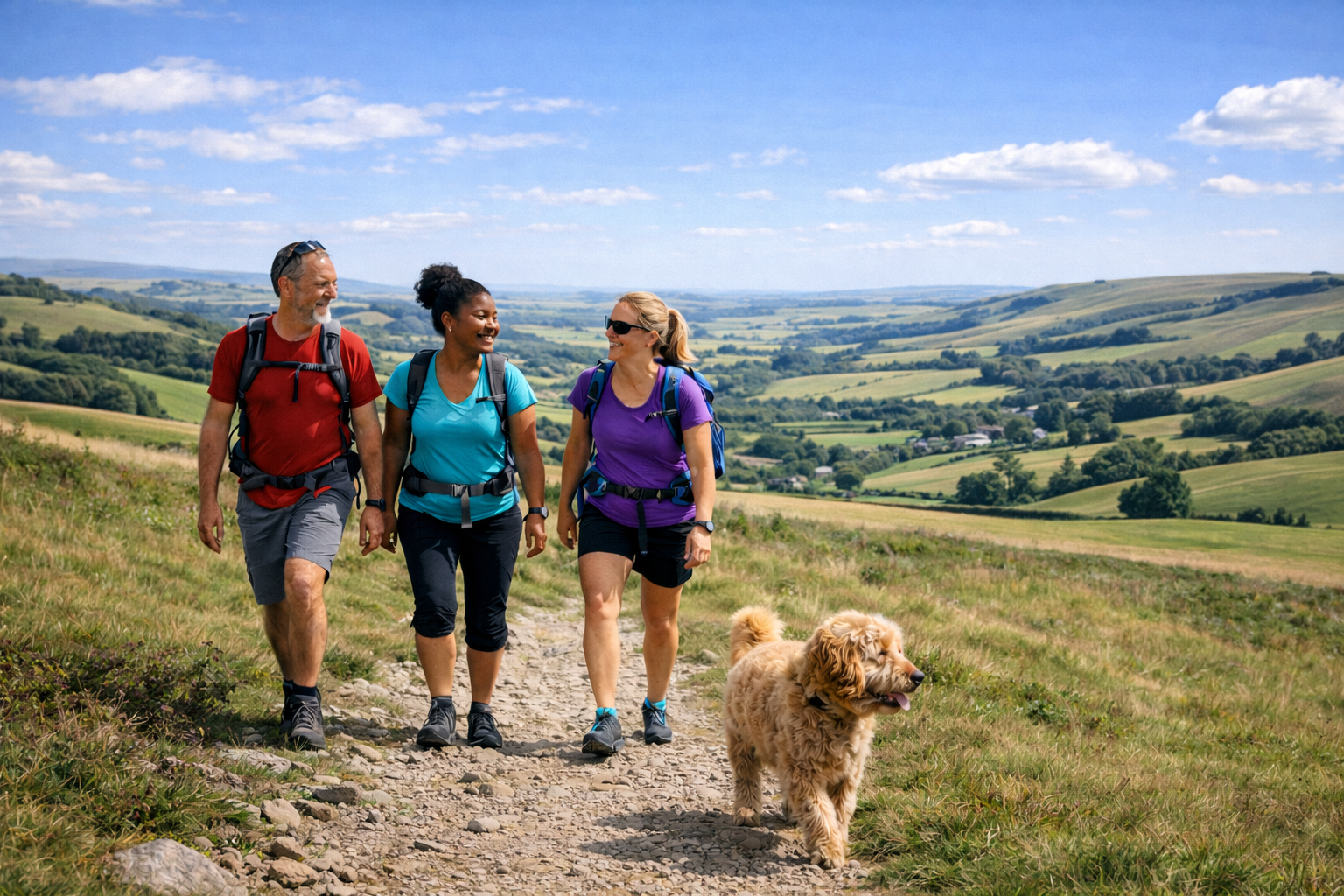
Terrain
- Small but clear coastal paths, village streets, 2 stiles
Landscape
- Quiet, grassy shoreline, then a succession of pretty fishing villages
Dog friendliness
- On lead passing livestock and in towns
Parking
- Street parking Crail (away from the harbour); Anstruther Easter east end; street parking St Monans, pay-and-display at harbour
Toilets en route
- Crail harbour and main street; Anstruther Easter east end, harbour, golf course; Pittenweem harbour; St Monans (up Forth Street from harbour)
Crail is a traditional fishing village with a 17th-century harbour. On the hill behind the harbour stands Crail House, built on the site of the earlier castle dating from the time of King David I in the 12th century. A Crail of a time The coast of Fife is from the Carboniferous, the coal time.... It's when the UK was drifting northwards across the equator, a stinky swamp of giant ferns, giant frogs, and dragonflies the size of seagulls. Fossils can sometimes be hard to spot – but not at Crail, where the fossil tree-stump is the size of a small dining table. Alongside it are fragments of ancient timber turned to a smear of coal, and the footprints of a monster millipede that was about as long at the average shoreline walker is tall.Find the fossil tree by heading south for 220 yds (200m) along the foreshore from the harbour – it's a few steps below the high tide line. The millipede footprints are 30yds (30m) beyond the fossil tree, above the high tide line and a couple of metres up the low cliffs. Alongside the church is a lump of dolerite magma flung ashore by Satan himself, trying to destroy the church while standing on the Isle of May – and yes, dolerite is what that island's made of. St Fillan legs it across Scotland Pittenweem means 'place of the cave'. St Fillan's cave was originally reached from the sea. A tunnel once linked it inland, and it was used by smugglers. But its first human use was as a shrine associated with the monks on the Isle of May. St Fillan himself was one of the first long-distance walkers of Scotland – a chapel of his is passed on the West Highland Way, at the opposite side of the country. Son of an Irish chieftain and Saint Kentigerna, this missionary and hermit walked over Scotland from Perthshire to Pittenweem before settling in Strath Fillan. He died in about AD 777. The saint's special superhero power (according to legend) was his left arm, which glowed in the dark so that he could read the Bible at night. This arm was preserved after his death in a special decorated container, or reliquary. Just 550 years later, preparing for the battle at Bannockburn, King Robert of Scotland called for Fillan's arm as a secret weapon to carry in front of the soldiers. The keeper of the relic decided to keep it out of arm's way (as it were) by bringing only the empty reliquary. But during prayers before the battle, the case flew open, with the self-illumining arm having flown of its own accord back into its place. Bruce went on defeat the English and win Scotland's independence – by force of arm.
This 20-mile wide peninsula between the Firth of Forth and the Firth of Tay is an ancient kingdom, once the home of Scotland’s kings and saints. Despite its modern bridges it still seems curiously detached from the rest of the country.