Blackwater Estuary National Nature Reserve
Recommended by


Overview
The Blackwater NNR, which comprises Old Hall Marshes, Tollesbury and Salcott Flats, is the largest estuary in Essex and a great place to get a real sense of coastal wilderness. Old Hall Marshes are home to a range of breeding and over-wintering waterfowl, including an estimated 4,000 Brent geese with other waterfowl such as teal and shelduck. The reserve also supports a number of nationally-important plant and invertebrate species, including 24 species of butterfly, along with dragon and damselflies, most notably the rare emerald damselfly. Tollesbury Flats is the richest area of Blackwater for its diverse insect populations. In particular, these mudflats are very important for native oysters, which explains the presence of the striking red-beaked oystercatchers. The tidal mudflats of both Salcott and Tollesbury are excellent feeding grounds for other waders such as redshank, dunlin, curlew and greenshank, and waterfowl such as wigeon and goldeneye. In winter, these are great areas for spotting migrants from northern Europe, such as grey plover and ruff, and birds of prey such as hen harriers.
About the area
Essex is full of pleasant surprises. It has the largest coastline of any county in England, with its fair share of castles, royal connections and scenic valleys.
Places to eat nearby View all


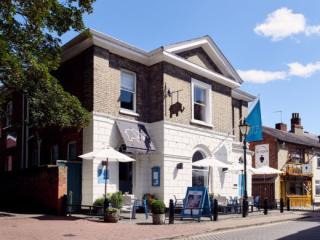
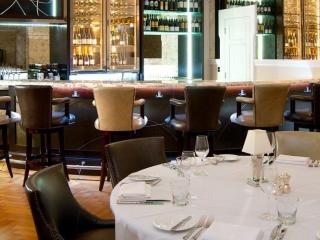

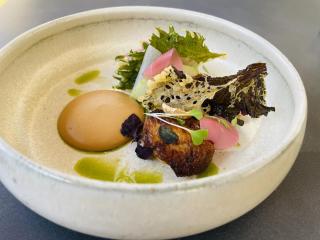
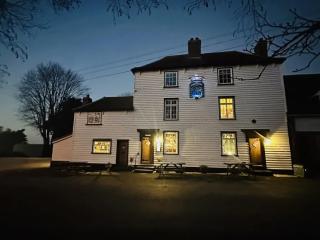
Nearby places to stay
View all (8)





Nearby places to stay
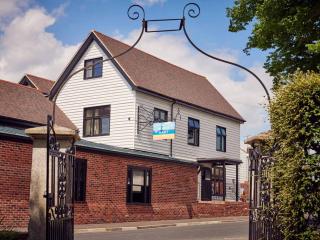
The White Hart Inn
The White Hart Inn is at the heart of West Mersea opposite the church and a few minutes walk from the beach. The tastefully appointed bedrooms have lovely soft furnishings and many thou...
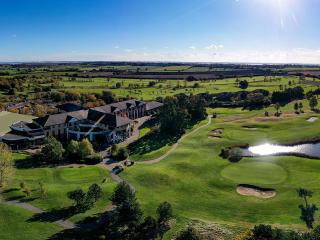
Potters Resorts Five Lakes
Set in 320 acres of glorious Essex countryside, Potters Resorts offers all-inclusive short breaks designed for adults, throughout the year. The perfect place to relax and unwind with an...
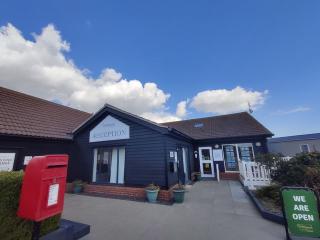
Waldegraves Holiday Park
A spacious and pleasant site located between farmland and its own private beach on the Blackwater Estuary. There are well-maintained standard grass pitches and a limited selection of ha...
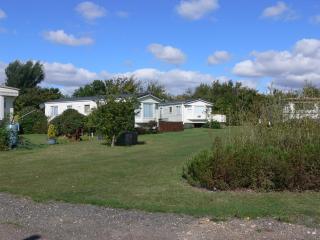
Fen Farm Caravan Site
The first tents were pitched at Fen Farm in 1923 and over the years the farm gave way entirely to becoming a caravan park. Enjoying an enviable location beside the Blackwater Estuary, i...
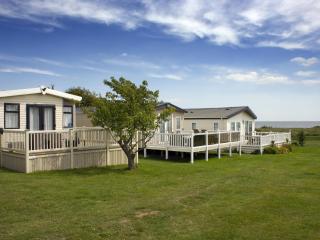
Mersea Island Holiday Park
Mersea Island is a peaceful island in the Blackwater and Colne estuaries to the south-east of Colchester. Here you’ll find the spacious Cudmore Grove Country Park, where your mind can w...
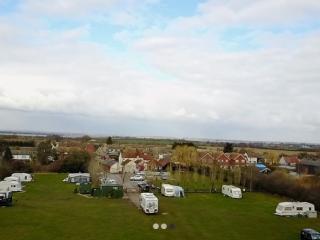
The Star Inn Caravan Park
As you pull into The Star Inn look at the walls, which are covered in pargeting, an East Anglian style of building decoration. The secluded park is popular with walkers, bird-watchers a...
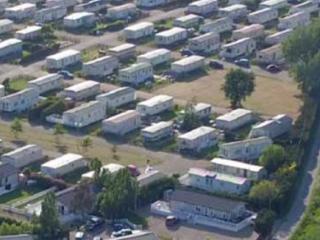
Osea Leisure Park
Things have changed considerably at Osea Leisure Park, overlooking the Blackwater Estuary, since the 1930s when pea-pickers camped in fields here. Today, you can choose from luxury lodg...
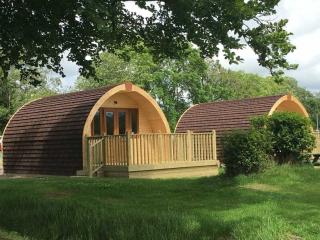
Osea Meadows
From safari tents to a hook-up pitch, Osea Meadows offers a wide range of glamping and camping options. With access to excellent coastal and inland walks for both walkers and cyclists, ...