The Hudnalls National Nature Reserve
Recommended by


Overview
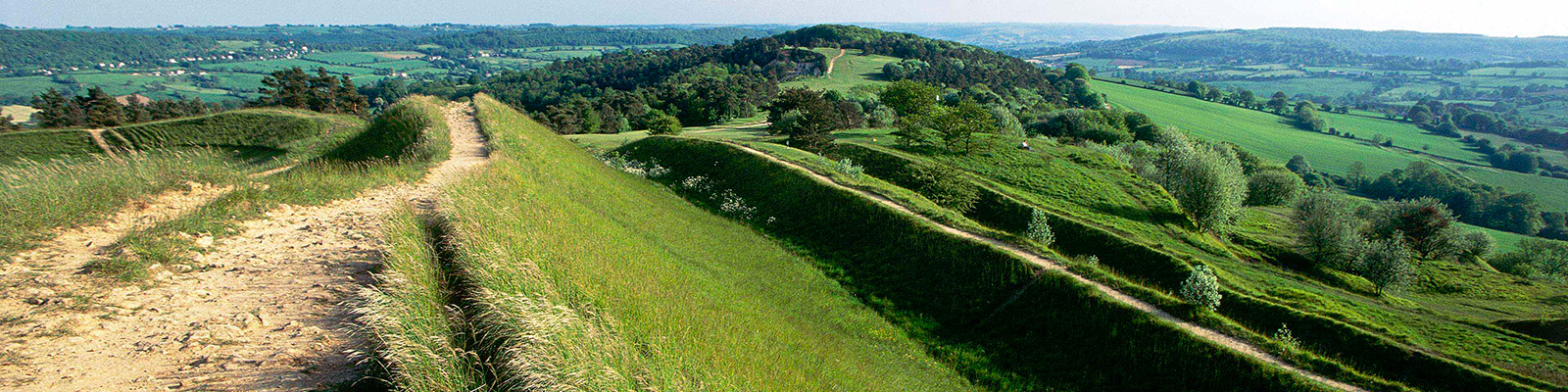
The Hudnalls NNR is a woodland occupying a prominent position on the eastern side of the Wye Valley gorge. It is a good example of semi-natural, unmanaged woodland, dominated by beech, oak, ash and lime. This lime-beech-oak woodland on strongly acid soils is virtually unknown outside the Lower Wye Valley. On top of some of the old walls across the reserve are pollarded trees, looking as if they are growing out of the rock. Spring is a particularly good time for the display of wild garlic and other wildflowers. Among the rare plants found here are thick-berried bramble and wood fescue. Birds include song thrush, hawfinch, wood warbler, starling and lesser spotted woodpecker. The woodland also features some rare crane flies. At the southern end of the reserve are several streams and waterfalls surrounded by tall trees creating dark, shady areas that favour a number of damp-loving species, especially bryophytes including bright silk moss.
About the area
Gloucestershire is home to a variety of landscapes, including the Cotswolds, a region of gentle hills, valleys and gem-like villages that roll through the county. To their west is the Severn Plain, watered by Britain’s longest river and characterised by orchards and farms marked out by hedgerows that blaze with mayflower in the spring; beyond the Severn are the Forest of Dean and the Wye Valley.
Places to eat nearby View all

Nearby places to stay
View all (8)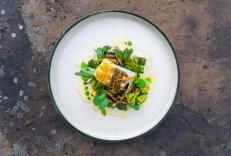






Nearby places to stay
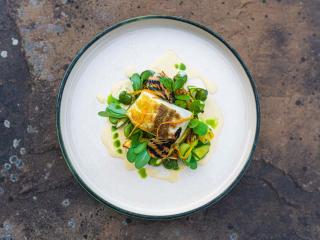
The Whitebrook
Peacefully located and surrounded by woods and rivers, this delightful restaurant with rooms offers a tranquil escape. The bedrooms are located above the main restaurant and come in a r...
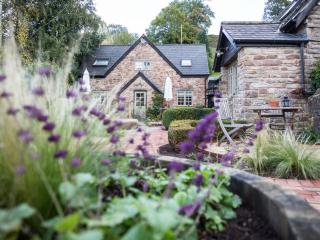
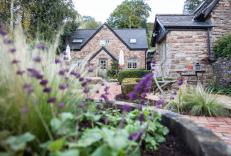
Tudor Farmhouse Hotel & Restaurant
Dating from the 13th century, Tudor Farmhouse Hotel is a 20-room boutique retreat in the village of Clearwell, on the edge of the Forest of Dean and the Wye Valley. Original features th...
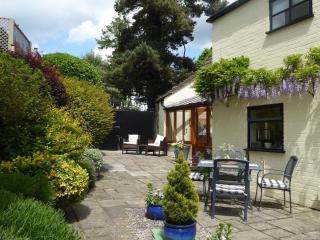
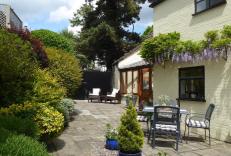
The Coach house
The Coach House is a converted Coach House in historic and tranquil village of Newland furnished to high standard. Expect three large bedrooms, two bathrooms, laundry, open fire, cycle ...
The Coach House
The Coach House is a converted Coach House in historic and tranquil village of Newland furnished to high standard. Expect three large bedrooms, two bathrooms, laundry, open fire, cycle ...
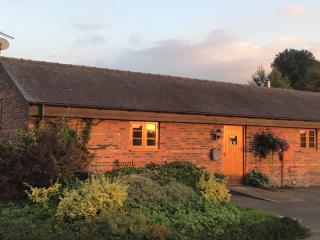
Cowshed Cottage & The Dairy
Cowshed Cottage and The Dairy are finished to an exceptional standard, providing a cosy and comfortable base for your next holiday. Located near to the pretty Gloucestershire village of...
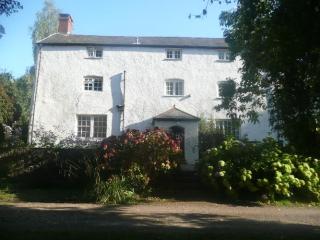
Church Farm Guest House
Located in the village of Mitchel Troy, this 16th-century former farmhouse retains many original features including exposed beams and open fireplaces. There is a range of bedrooms and a...
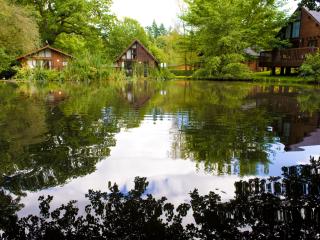
Whitemead Forest Park
Set in the magical Forest of Dean, Whitemead offers both a beautiful setting and impressive facilities. Whitemead has a great range of accommodation to choose from, including glamping p...
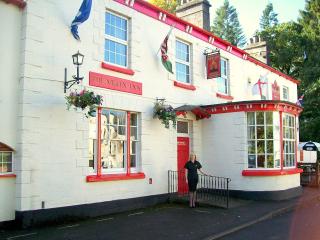
The Fountain Inn
With its distinctive bay window, the Fountain Inn has been a familiar Forest of Dean landmark for over two centuries. The village makes an ideal base for exploring the surrounding count...