Clifford's Tower
Recommended by


Overview
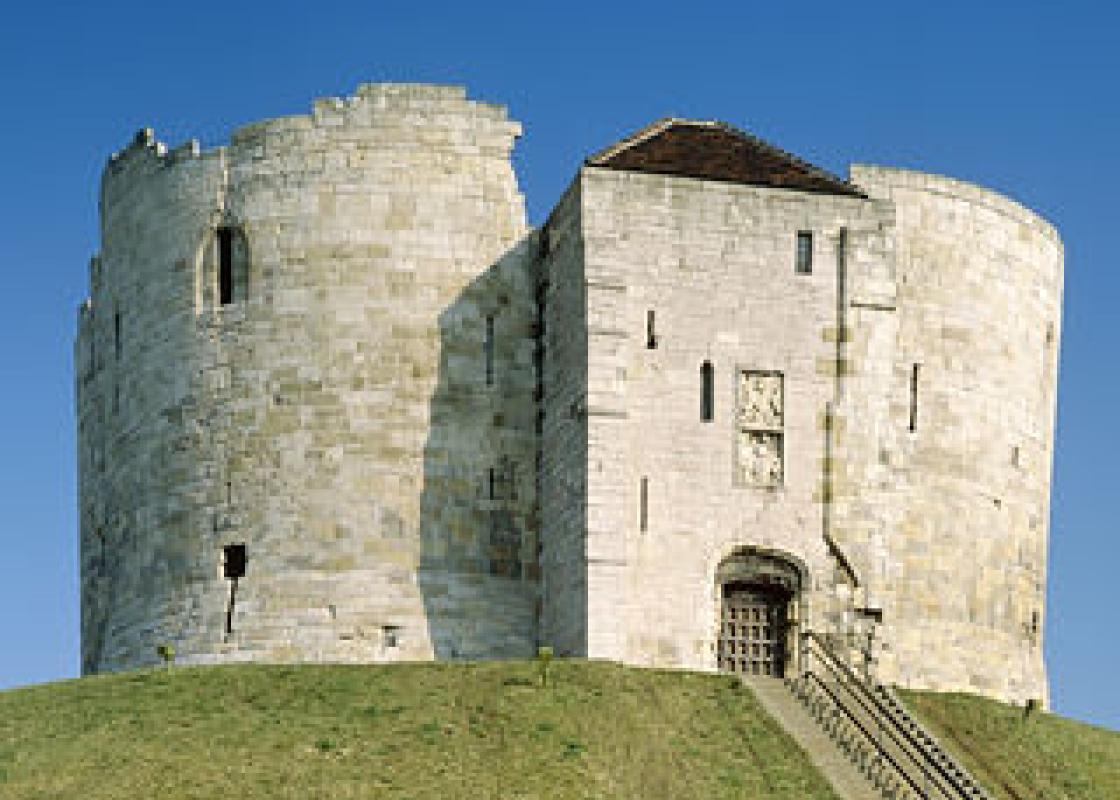
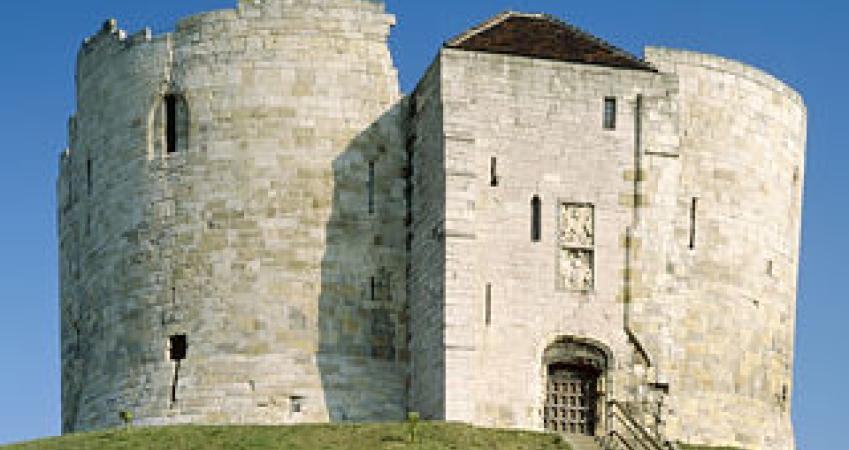
Still in its dominating position atop the grass-covered mound, Clifford’s Tower is a memorable landmark, all that’s left of York Castle. In 1190 it was the scene of one of the most bloody incidents in the city’s history: the Jewish population was rounded up and put into the castle, which was then burned to the ground. A second castle was quickly built on the site, which involved raising the mound – originally built in about 1070 from layers of clay and marl, gravel and stones, and timber – to its present height of about 60 feet. The new tower did not last long – it was blown down in a gale in 1228. Henry III ordered that a third tower should be built, and the stone quatrefoil-shaped keep seen today was erected on top of the mound. The castle was obsolete by the end of the 17th century – the rest of the site was rebuilt as a prison, and is now the Castle Museum.
Features
- Opening Times
- Opening Times: Open Apr-Sep, daily 10-6; Oct, daily 10-5
- Facilities
- Parking onsite
- Parking nearby
About the area
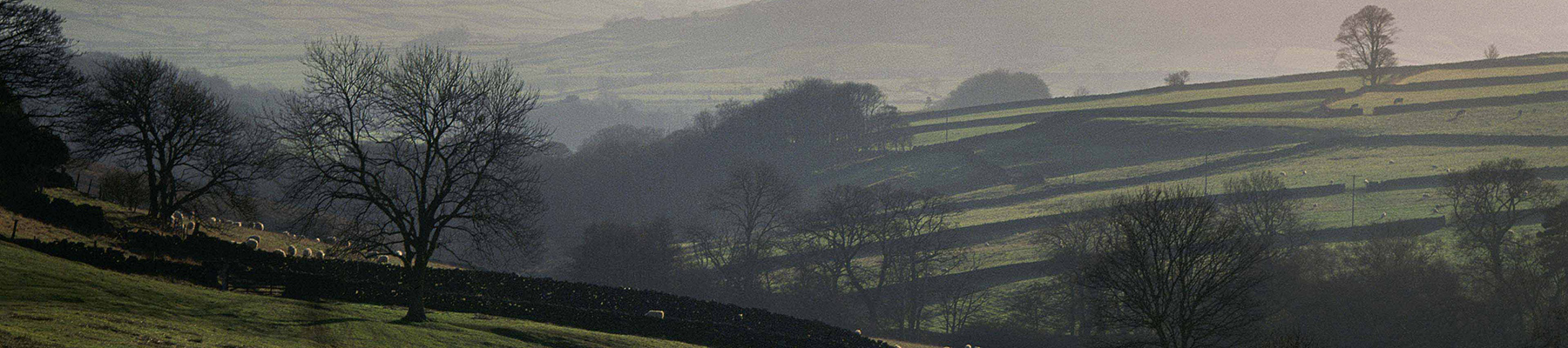
North Yorkshire, with its two National Parks and two designated Areas of Outstanding Natural Beauty, is England’s largest county and one of the most rural. This is prime walking country, from the heather-clad heights of the North York Moors to the limestone country that is so typical of the Yorkshire Dales – a place of contrasts and discoveries, of history and legend.
Places to eat nearby View all



Nearby places to stay
View all (8)


Nearby places to stay
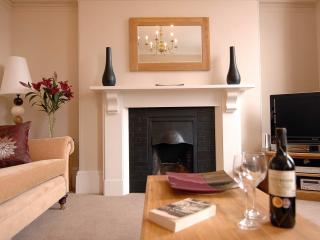
The Riverside York
Welcome to The Riverside; your exclusive home from home in the heart of historic York.
The House includes three double bedrooms, (one en-suite and one with twin beds option), a modern f...
The Riverside York House
Awaiting description...
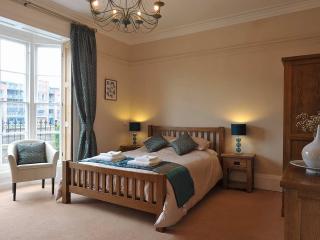
The Riverside Apartment
Awaiting description...
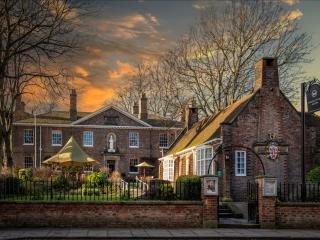
Middletons Hotel
Middletons Hotel consists of several listed red brick buildings named after some famous York figures. Chaplin, Lady Cromwell and Lady Anne houses feature a range of individually designe...
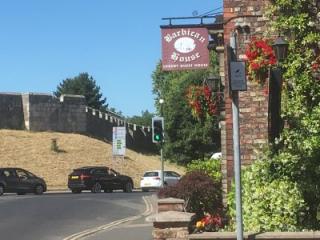
Barbican Guest House
Barbican Guest House is a luxury Victorian property with its own individual charm and character. Ideally situated within York, it overlooks the famous Medieval City Walls and is only a ...
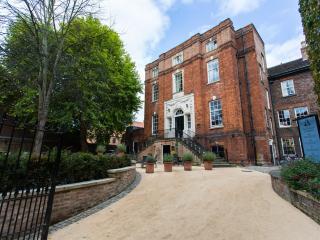
The Judge's Lodging
The Judge's Lodging is a Grade I listed Georgian townhouse situated in the heart of the city centre, just a stone's throw from the Minster. The building has a wealth of charm and charac...
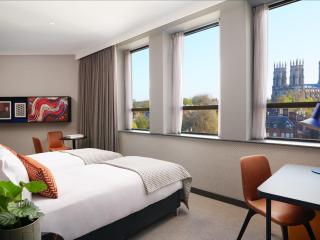
Malmaison York
Malmaison York is an imposing former office block now converted to a boutique hotel in the very heart of the city, overlooking the river and across to the minster. Open-plan reception, ...
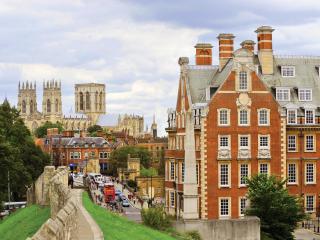
The Grand, York
Located in the heart of the city of York, The Grand is exactly how it sounds. It's a majestic Edwardian building, built in 1906, that has since been transformed into a luxury hotel. Ins...