Collyweston Great Wood and Easton Hornstocks National Nature Reserve
Recommended by


Overview
The unique ancient small-leaved lime woodland of the Collyweston Great Wood and Easton Hornstocks NNR is part of the historic Rockingham Forest and rich in wildlife. More unusual woodland plants found here are toothwort, wood spurge, lily-of-the-valley, heath speedwell, wild service tree, mountain melick and great wood-rush. Resident birds include lesser and greater spotted woodpeckers and treecreeper, and kites and buzzard are regularly seen hunting over the woodland. In addition to the dominating small-leaved lime trees, birch, oak and ash are also common, and added interest is provided by open glades, rides and clearings, where slow-worms are often to be seen basking on the edges. There are outstanding displays of woodland flowers including bluebell, primrose, wood anemone and wild garlic in the spring. Woodland birds and butterflies are also plentiful. The woods have been coppiced for centuries and this traditional form of management is continued today on a 15–20-year rotation, which creates the open glades.
About the area
Northamptonshire is a mainly rural county of gentle beauty, with farmland, forest and great country estates. Rivers, canals and meadows are all part of the tranquil scene, providing a haven for wildlife.
Places to eat nearby View all



Nearby places to stay
View all (8)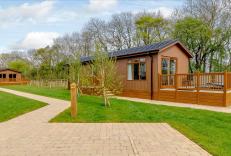


Self-Catering
The Lodge at Ketton Park, near Stamford & Rutland Water


- Total units: 1
- Private garden
- Lawn area
- Garden furniture
Nearby places to stay
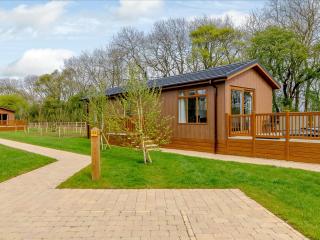
Rockingham Forest Park Ltd
Whether you’re seeking family activity holidays, a romantic couple’s retreat or dog-friendly holidays, Rockingham Forest Park has the perfect stay for you. Explore the woodland trails, ...
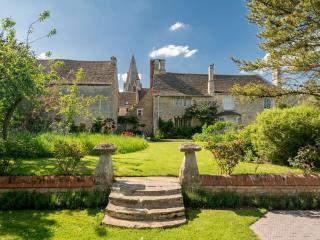
Hall Farm Kings Cliffe
On the edge of a charming village, Hall Farm Kings Cliffe offers three private apartments in delightful converted farm buildings. The Archway is on one floor and has high vaulted ceilin...
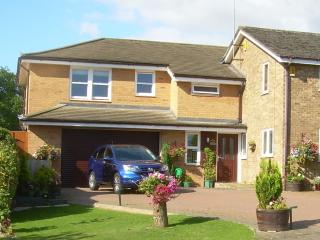
The Lodge at Ketton Park, near Stamford & Rutland Water
A Luxury 4* Gold Award Self Catering One Bedroom first floor apartment – sleeps up to 4 (privacy 2) - overlooking open countryside. A spacious apartment has Two Queen Beds; large bathro...
The Lodge at Ketton Park, Stamford.
A Luxury 4* Gold Award Self Catering One Bedroom first floor apartment – sleeps up to 4 (privacy 2) - overlooking open countryside. A spacious apartment has Two Queen Beds; large bathro...
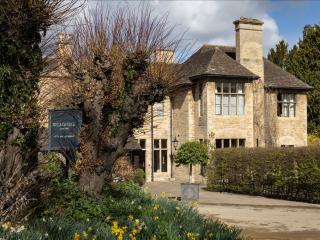
The William Cecil
The William Cecil is a lovely property situated on the edge of town within the Burghley Estate. The stylish bedrooms are spacious, individually decorated and have lots of extra little t...
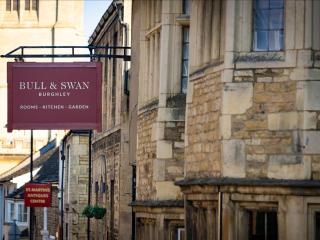
The Bull & Swan at Burghley
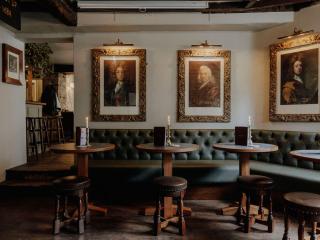
The delightful Bull & Swan at Burghley dates back to the 16th century when it is said to have been a gentlemen's drinking club. The public rooms include a large bar with a range of ales...
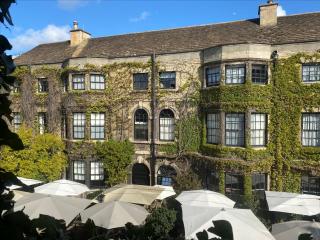
The George of Stamford
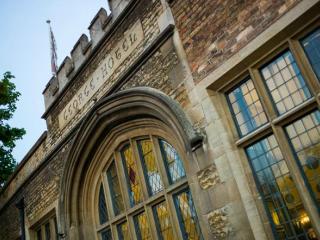
Steeped in history, the George of Stamford is a delightful coaching inn that provides spacious public areas, including a choice of dining options, inviting lounges, and a business centr...
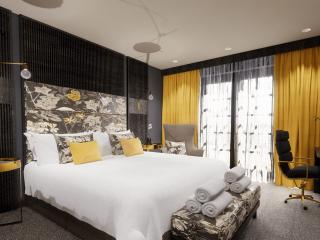
The Haycock Manor Hotel
Situated in the beautiful surroundings of Wansford, The Haycock Manor Hotel is a charming property used in the 16th-century as a coaching inn. Recently refurbished, it offers sophistica...