Cavenham Heath National Nature Reserve
Recommended by


Overview
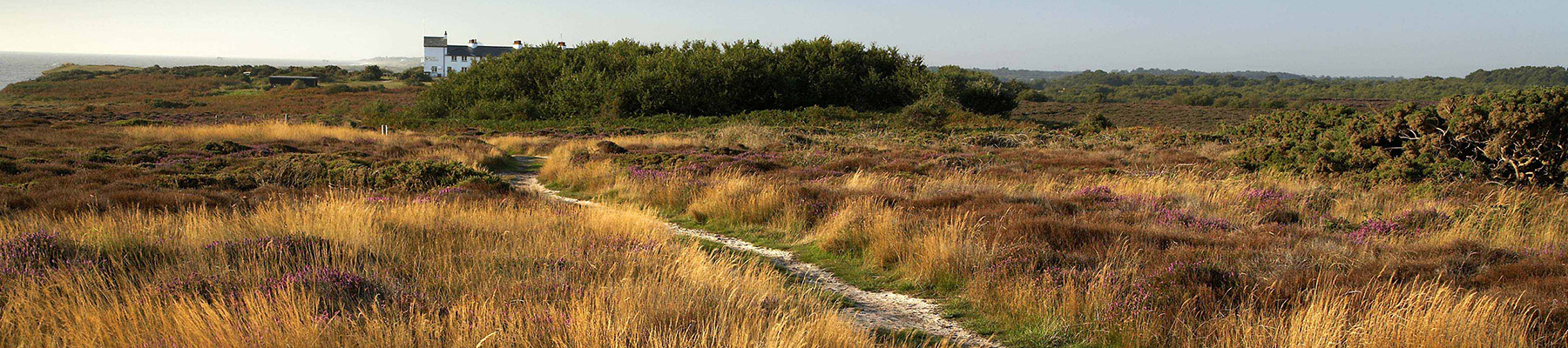
Most of Cavenham Heath NNR is typical Breckland heathland with dry, acidic sandy soil supporting acid grass heath; heather heath with patches of bracken and sand sedge. In addition there are riverside meadows, woodland, wet woodland scrub and small areas of fen. There’s a good population of Britain’s only poisonous snake, the adder, on the heath. And the wide range of habitats supports many uncommon plant species, including mossy stonecrop, annual knawel and suffocated clover. There are good populations of butterflies, including small copper, small heath and grayling. Over 400 species of moth have been recorded, including the rare lunar yellow underwing and forester. Well over 100 bird species are recorded annually, and breeding species include nightjar, woodlark and stonechat on the heath, woodcock in the damp woodland, and grey wagtail, kingfisher and nightingale along the River Lark. There is a regular pre-migration roost of stone curlew in August and September, numbering over 100 birds.
About the area
Suffolk is Constable country, where the county’s crumbling, time-ravaged coastline spreads itself under wide skies to convey a wonderful sense of remoteness and solitude. Highly evocative and atmospheric, this is where rivers wind lazily to the sea and notorious 18th-century smugglers hid from the excise men.
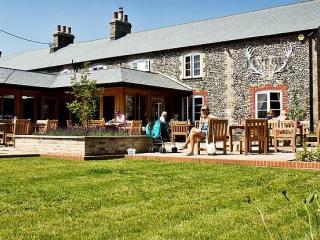
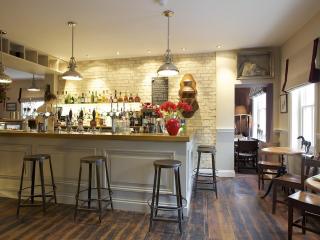
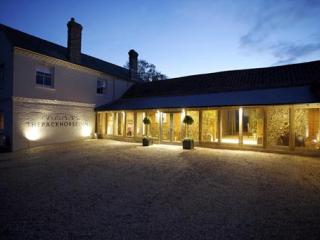
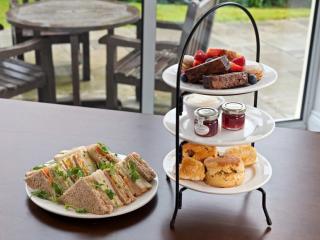
Places to eat nearby View all

Nearby places to stay
View all (8)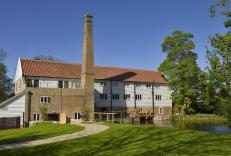





Nearby places to stay
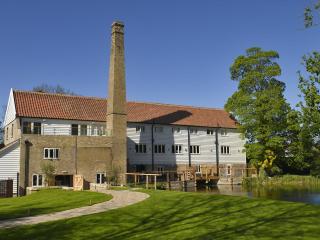
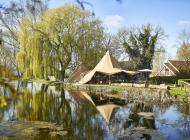
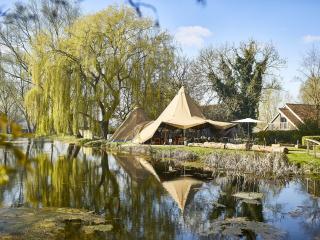
Tuddenham Mill
Tuddenham Mill is a beautifully converted old watermill set amidst landscaped grounds between Newmarket and Bury St Edmunds. The contemporary bedrooms are situated in separate buildings...
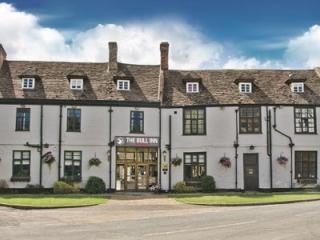
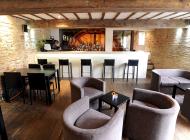
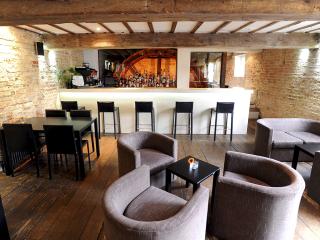
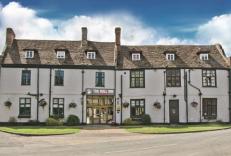
The Bull Inn
This delightful 16th-century coaching inn is situated just off the main A11 and provides easy access to the road networks. Public rooms offer a choice of bars, a brasserie-style restaur...
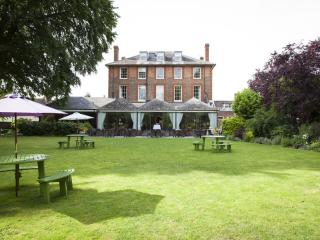
Riverside Hotel
Riverside Hotel is ideally situated on the edge of the River Lark, close to the A11, on the outskirts of Mildenhall Town centre and a short drive from Newmarket, and Bury St Edmunds. Th...
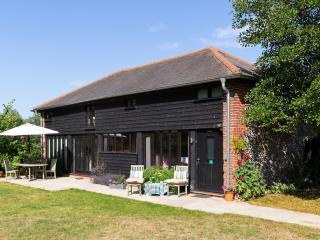
Lackford Lakes Barns
Lackford Lakes Barns holiday cottages are set in a beautiful Suffolk countryside location where you can enjoy an outdoor lifestyle. Beautiful Lackford Lakes and West Stow Lakes, a haven...
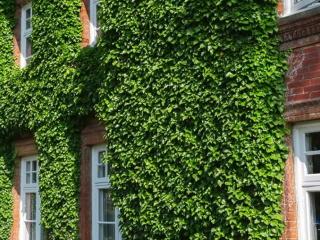
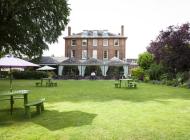
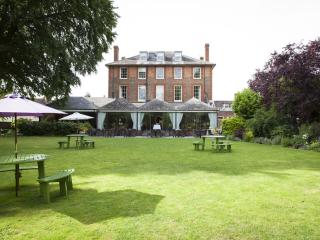
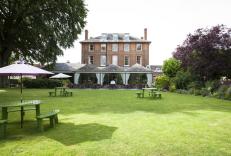
Worlington Hall
First established in 1570, Worlington Hall has welcomed guests from near and far for over 450 years through the arches of this majestic manor. The Hall is currently undergoing a sympath...
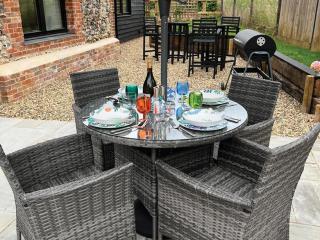
Quays Lodge
WELCOME TO QUAYS LODGE, a two bedroom luxury holiday lodge in Suffolk.
Quays Lodge is situated in the village of Risby, Suffolk, which is just a five minute drive from Bury St Edmunds ...
Quays Lodge
WELCOME TO QUAYS LODGE, a two bedroom luxury holiday lodge in Suffolk.
Quays Lodge is situated in the village of Risby, Suffolk, which is just a five minute drive from Bury St Edmunds ...
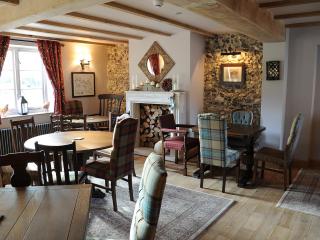
Elveden Inn
Elveden Inn offers a range of beautifully presented bedrooms and sleek modern bathrooms. Enjoying a peaceful location in the heart of East Anglia, the inn is part of the Guinness family...