Waverley Abbey
Recommended by


Overview
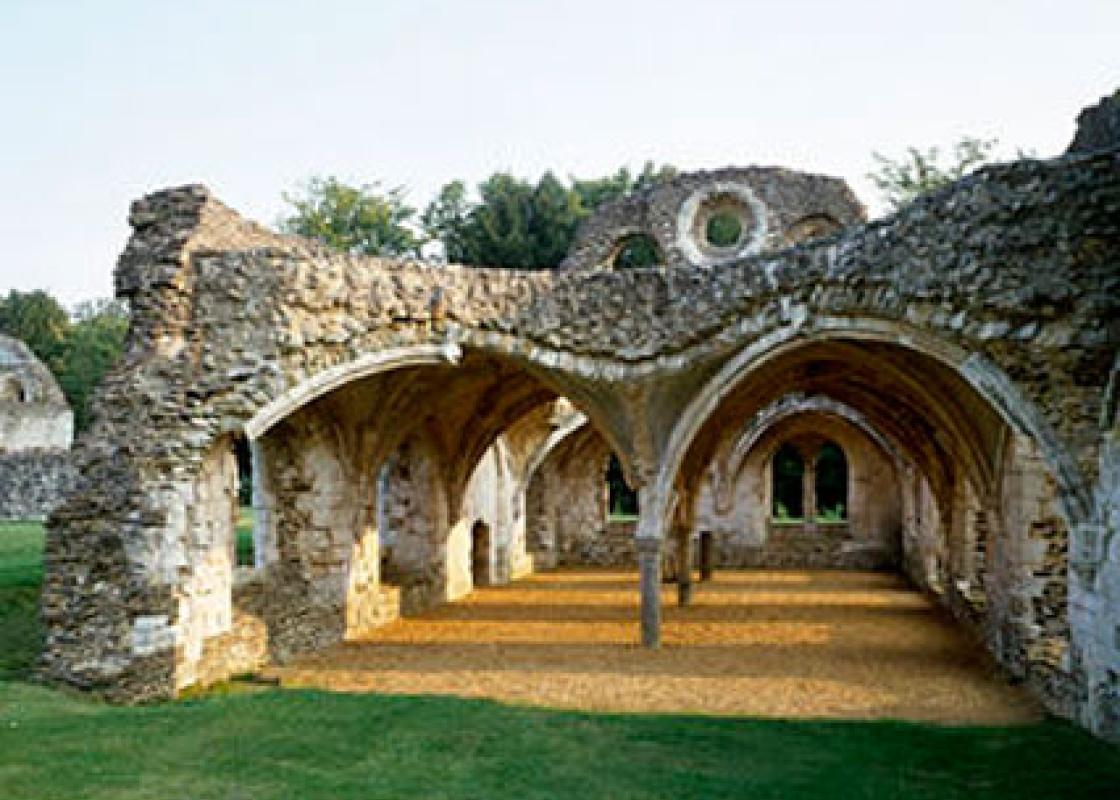
Fragments of the church and monastic buildings of the first Cistercian abbey in England, founded in 1128. The impressive remains include the fine 13th-century vaulted refectory or dining hall for the lay brothers, the Cistercians' labour force. The abbey is set in a loop of the River Wey, which would have aided the monk's in their quest for solitude. In 1201 the abbey buildings were badly flooded. This became a common occurrence and as a result the abbey was substantially rebuilt during the 13th century. It continued to grow in the 14th century. The monks and lay brothers farmed the surrounding land, were active in the Cistercian wool trade and provided shelter for pilgrims and travellers and an infirmary for the sick. In 1536, with the Dissolution of the Monasteries, the site passed to Sir William Fitzherbert, treasurer of the king’s household. Much of the abbey was dismantled and some of the stone was reused to build Sir William More’s house at Loseley, a few miles to the east.
Features
- Opening Times
- Open all year
- Opening Times: Open at any reasonable time during daylight hours
- Facilities
- Parking nearby
About the area
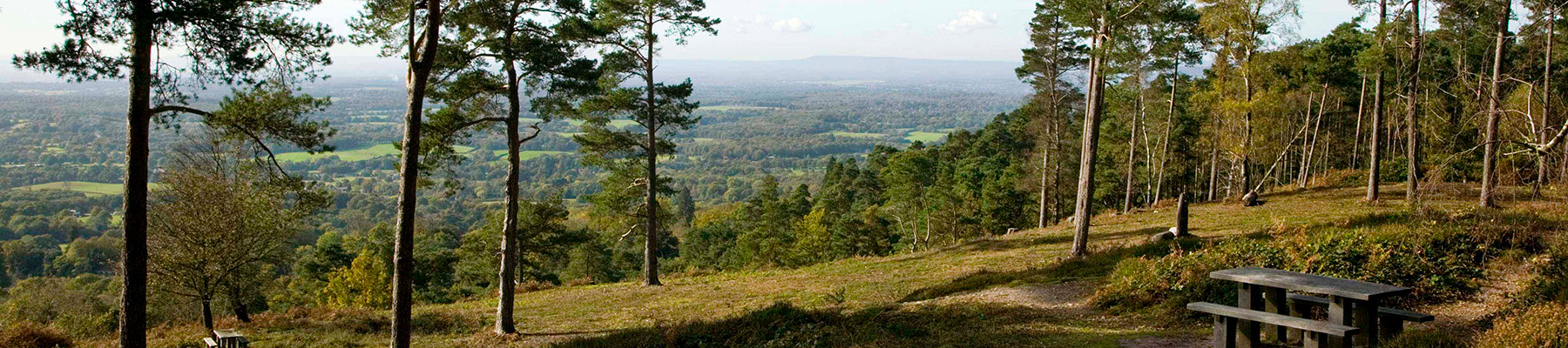
Surrey is one of England’s most wooded counties, with over a quarter of the landscape designated as an official AONB and plenty of history evident in the countryside. You’ll find sandy tracks, cottage gardens and welcoming village inns, and on the fringe of Greater London you can picnic in Chaldon’s hay meadows, explore the downs at Epsom, or drift idly beside the River Thames.
Places to eat nearby View all






Nearby places to stay
View all (8)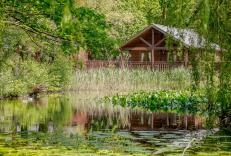



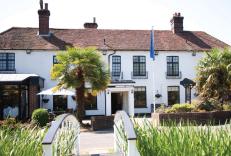
Nearby places to stay
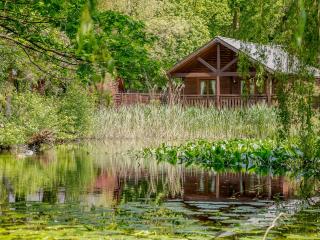
Tilford Woods Lodge Retreat
Retreat to the woods when you stay in one of the log cabin style lodges at Tilford Woods. All accommodation features full self-catering facilities, with top of the range log cabins even...
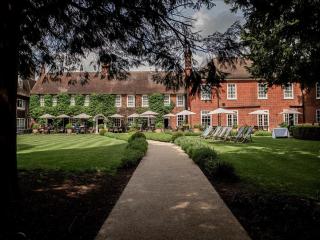
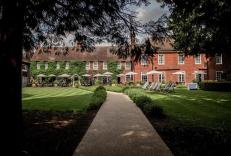
Bush Hotel Farnham
The Bush is an independent hotel that has been welcoming guests since 1618. Steeped in history but embracing contemporary design, it is situated in the heart of Farnham’s historic town ...
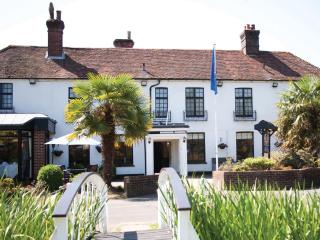
Frensham Pond Country House Hotel & Spa
Situated in an Area of Outstanding Natural Beauty, overlooking Frensham Great Pond this is a walker’s and water-lover’s paradise close to footpaths that run through the 1,000-acre Natio...
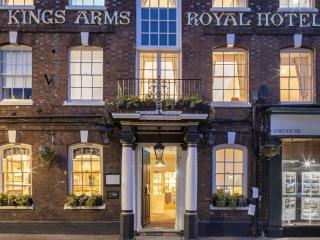
King’s Arms & Royal
The King's Arms and Royal is in the town of Godalming, and was first mentioned in 1639. Nestled between the Surrey Hills AONB and the South Downs National Park, this charming property w...
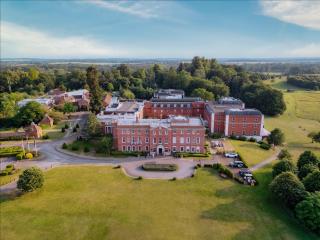
Four Seasons Hotel Hampshire
Four Seasons Hotel Hampshire is a Georgian manor house, set in 500 acres of undulating grounds and English Heritage listed gardens. Just an hour from London, it offers the upmost in lux...
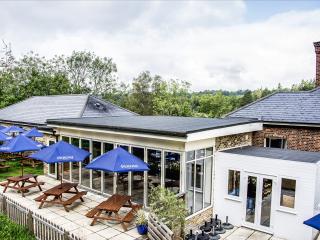
Harper's Haslemere
Harper's Haslemere is part of a small family of laid-back steak houses, fired up by the big, juicy stateside flavours from the best of east to west coast dining; from comforting to mind...

Asperion Hillside Hotel
Asperion Hillside Hotel is conveniently located for access to Guildford and Woking as well as Heathrow and Gatwick Airports. There's on-site parking, and the comfortable bedrooms have m...
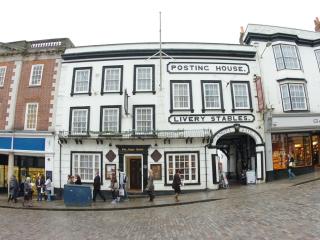
The Angel
On the high street, in the heart of Guildford and within the popular Angel Gate area with its shops and restaurants, this historic property features a range of rooms including spacious ...