Rhuddlan Castle
Recommended by


Overview
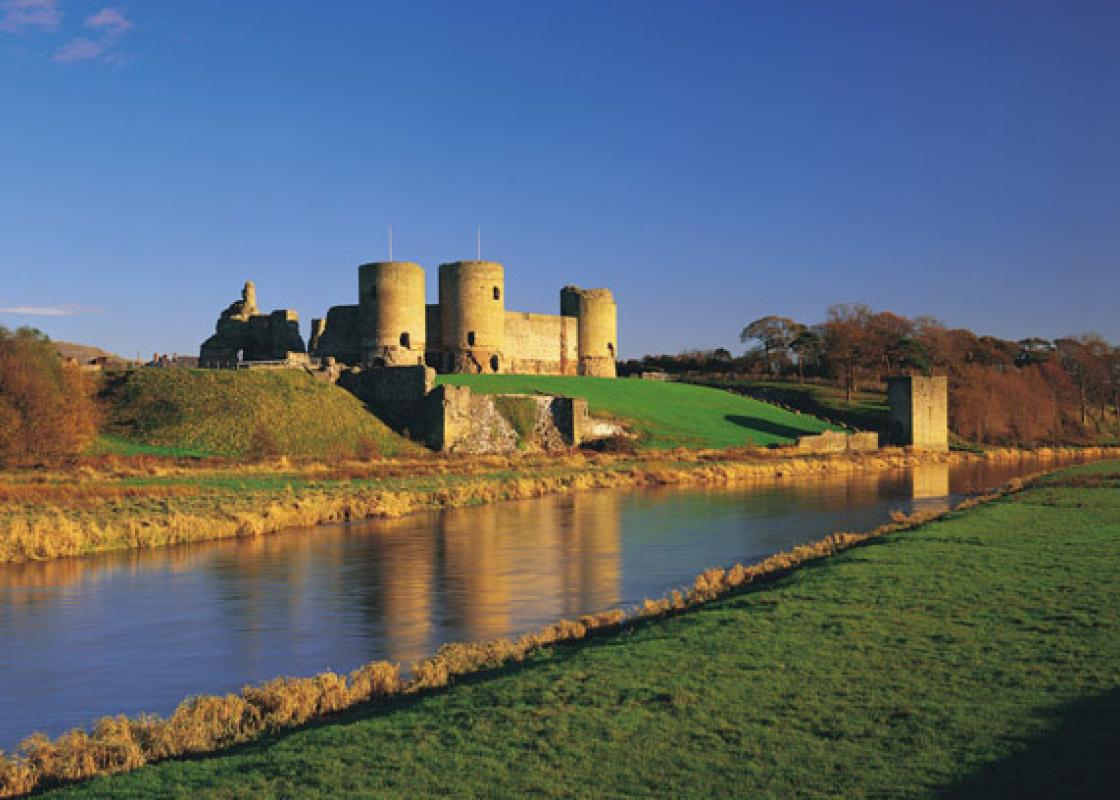
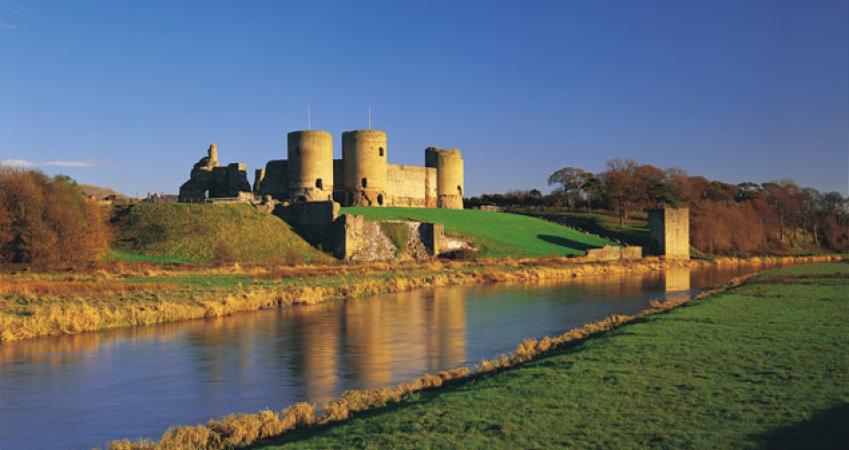
This concentric castle built by Edward I now stands uncomfortably next to a modern housing development. Its once-powerful round towers are crumbling, as time has eaten away at their roofless tops. Yet Rhuddlan was a vital part of Edward I’s campaign in Wales and was designed by master castle-builder James of St George. Indeed, it was here that the Statute of Rhuddlan, also known as the Statute of Wales, was issued in March 1284, proclaiming Edward’s dominance over the defeated country. This statute lasted until the Act of Union in 1536. Rhuddlan Castle is diamond-shaped, with towers at each corner, and has two sets of outer walls. It also has its own dock tower. The building of the castle in its present location necessitated a great feat of military engineering. The site was already historically important owing to being on a ford over the River Clwyd. Edward wanted his new castle to have access to the sea, so that boats might supply it with vital provisions, but the Clwyd was a shallow river that meandered lazily towards the sea. Edward cut a new channel – deeper and straighter than the natural one – and 700 years later it still follows this course.The castle was badly damaged by Parliamentarian forces in 1646 and has been in ruins ever since those days. Photo credit: © Crown copyright (2015) Cadw
Features
- Opening Times
- Opening Times: Open Apr-5 Nov, daily 10-5 (last admission 4.30)
- Facilities
- Parking onsite
- Cafe
- Children
About the area
The north-east Wales county of Denbighshire shares a name – though not the same borders – with one of Wales’s thirteen historic counties. It includes the seaside holiday towns of Rhyl and Prestatyn; the medieval county town of Denbigh; and the tiny cathedral town of St Asaph.
Places to eat nearby View all
Nearby places to stay
View all (8)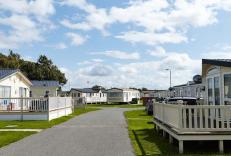

Caravan & Camping
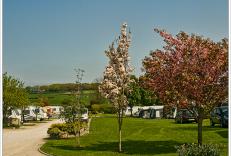
Penisar Mynydd Caravan Park

- Launderette
- Ice pack facility
- Picnic Area
- Wifi available


Nearby places to stay
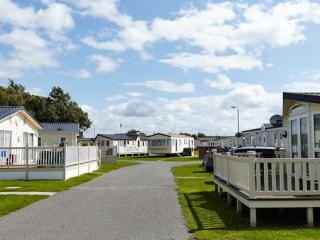
Golden Sands Holiday Park
Golden Sands is a popular holiday park with direct access to sandy beaches and also within easy reach of Llandudno and historic Chester. It provides modern quality accommodation within ...
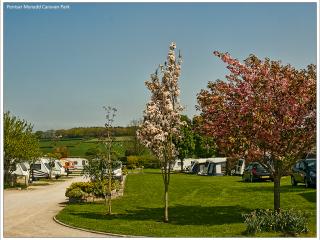
Penisar Mynydd Caravan Park
A very tranquil, attractively laid-out park set in three grassy paddocks with a superb facilities block including a disabled room and dishwashing area. The majority of pitches are super...
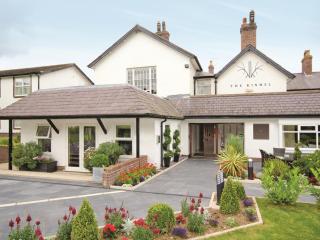
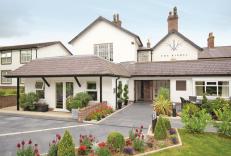
The Kinmel & Kinspa
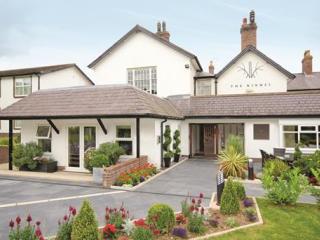
In a rural location at the end of a long drive leading from the A55, parts of this notable, family-run hotel date from the 16th century. The business has a stunning Kinspa and leisure f...
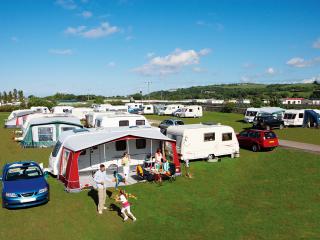
Presthaven Beach Holiday Park
Set beside two miles of superb sandy beaches and dunes (with donkeys on site at weekends), this constantly improving holiday park provides a wide range of both indoor and outdoor attrac...
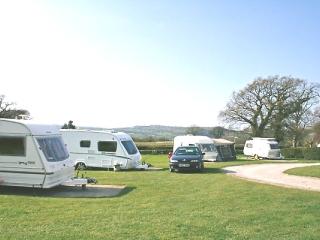
Hunters Hamlet Caravan Park
A warm welcome is assured at this long established, family-run working farm park adjacent to the owners' Georgian farmhouse. Well-spaced pitches, including 15 with water, electricity an...
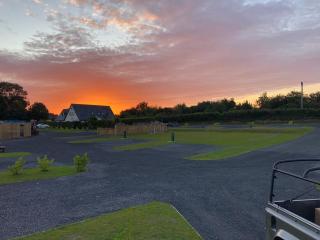
Haulfryn Caravan Park
Located on a former garden centre and nursery site and adjacent to a racecourse renowned in the late 1800s, this family park is located between the historic city of Chester and the popu...
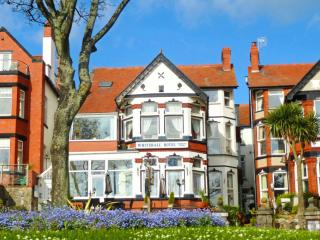
Whitehall Guest House
Overlooking the Rhos-on-Sea promenade, this popular, family-run establishment is convenient for the shops and local amenities.
Attractively appointed bedrooms include family rooms and ...
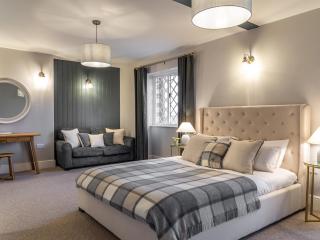
The Griffin Inn
The Griffin Inn is at the heart of Llanbedr Dyffryn Clwyd, near Offa’s Dyke Path and a short distance from Ruthin. This a characterful roadside inn with roots dating back several centur...