Rest and Be Thankful
Recommended by

Our view
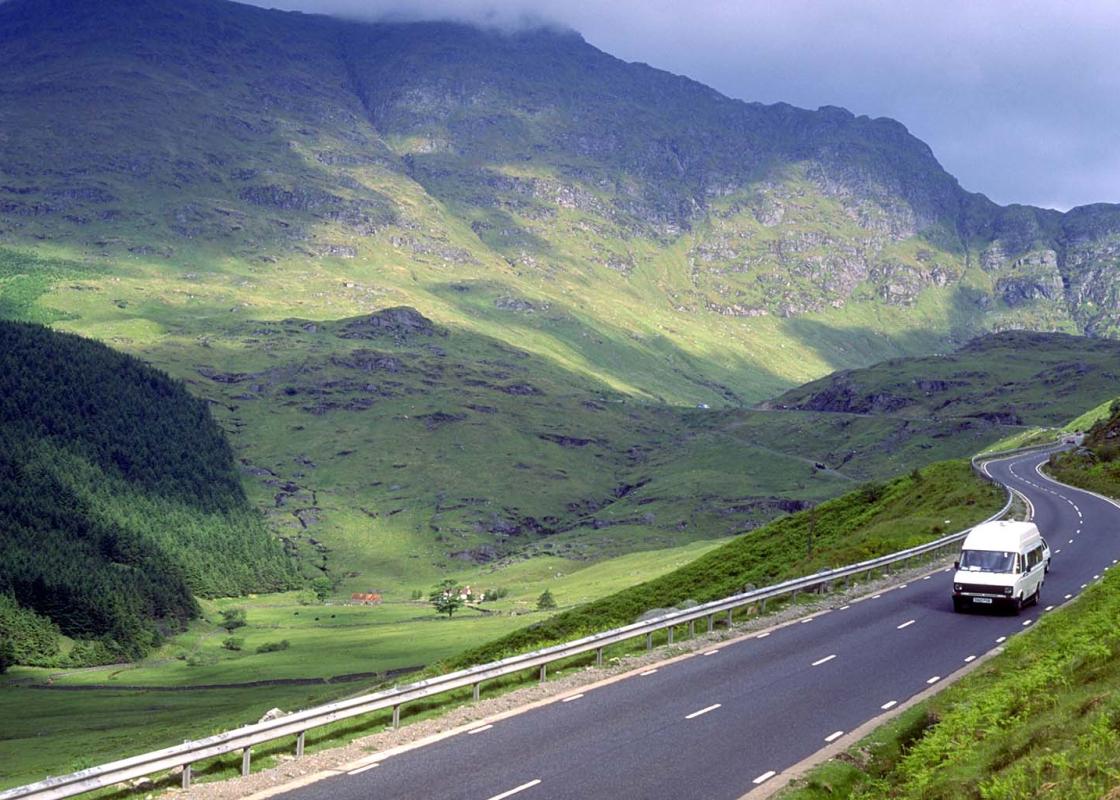
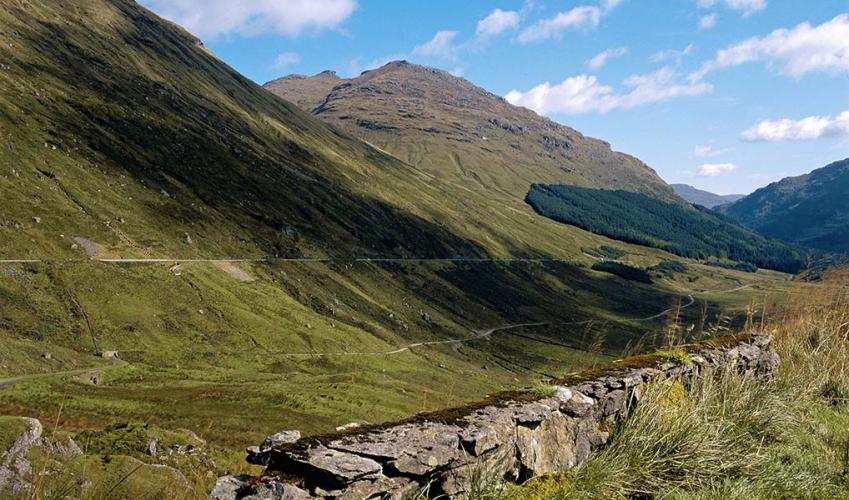
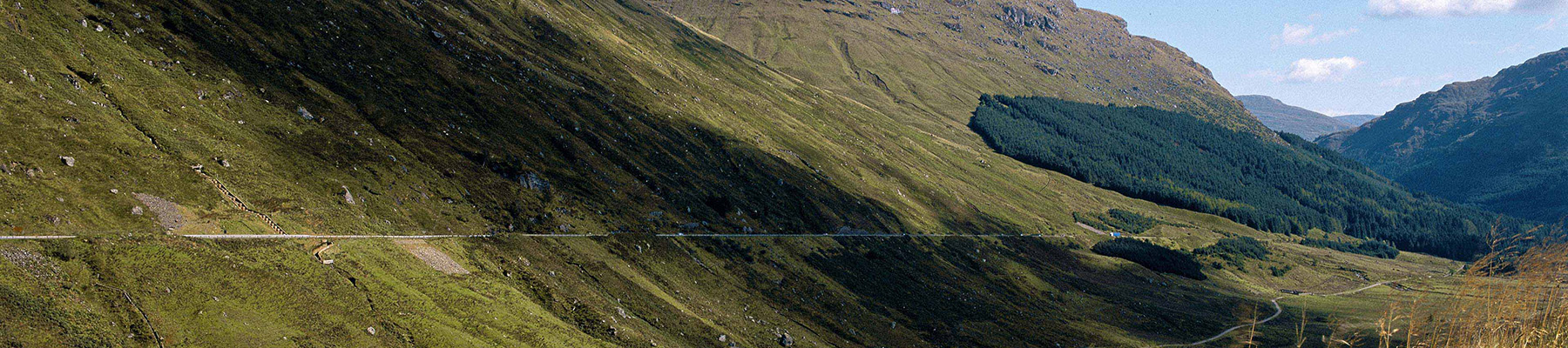
"A steep climb up one of Scotland’s most famous military roads"
Walk directions
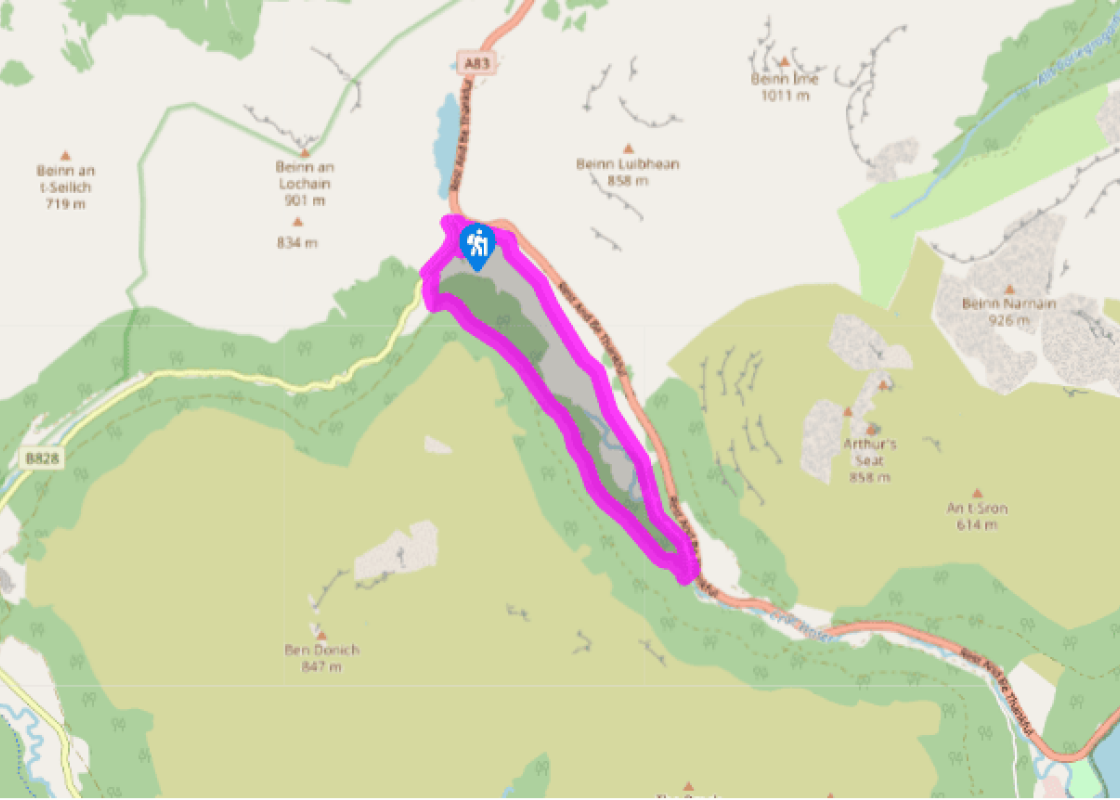
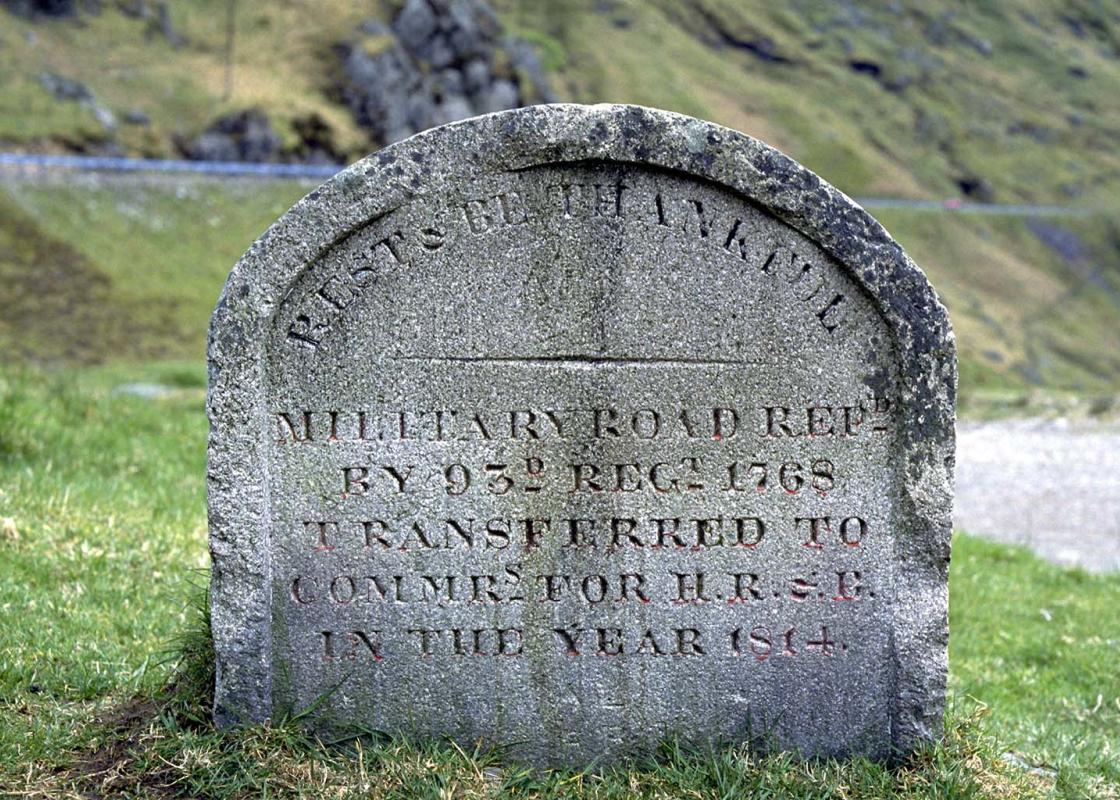
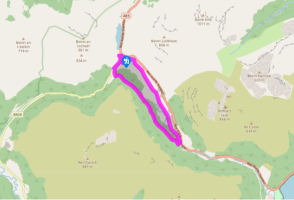
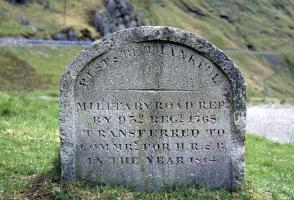
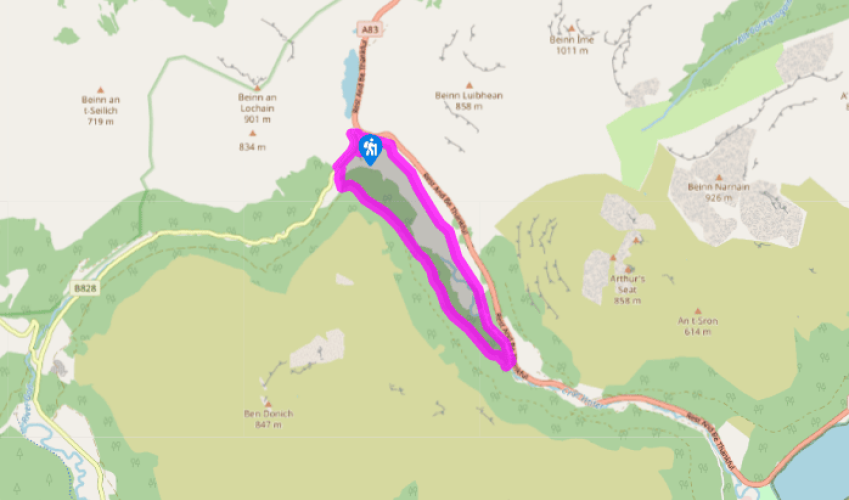
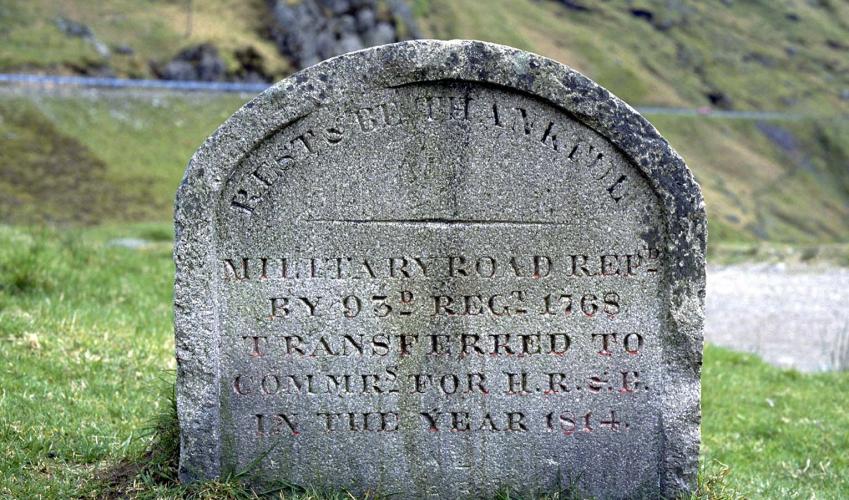
From the marker stone in the car park, commemorating the renovation of this particular stretch of military road, veer left onto a muddy track leading uphill and away from the road. When you reach the T-junction with the road turn left onto the B828.
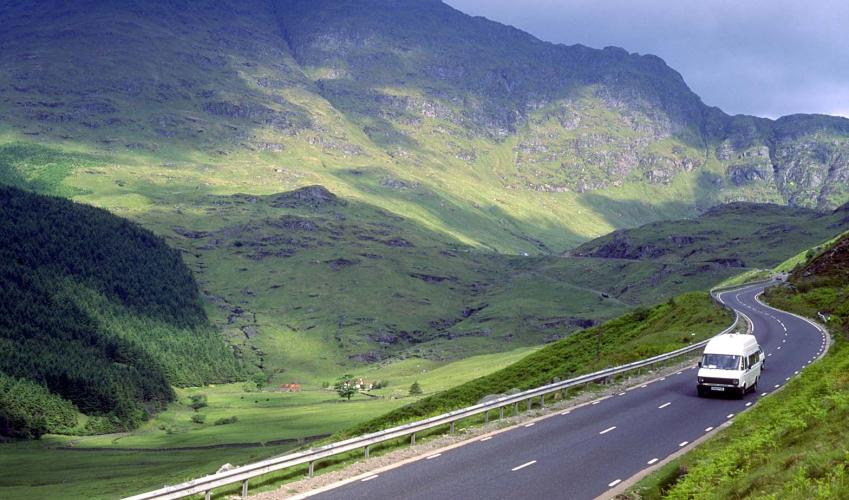
Go up this quiet winding road to a forest road on the left sign-posted hill access. Go along the forest road as it bends right and over a bridge to a junction and take the left turn, signposted Glen Croe.
View all directions
Additional information
Terrain
- Forest roads and metalled road, 4 stiles
Landscape
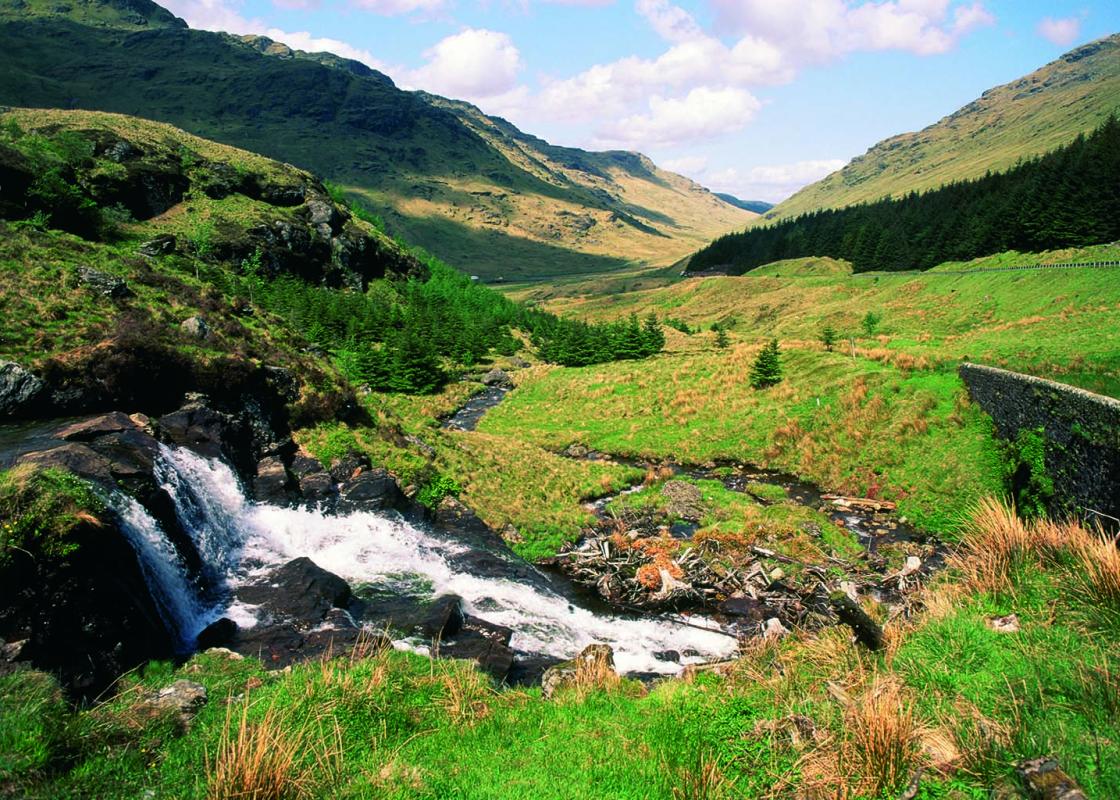
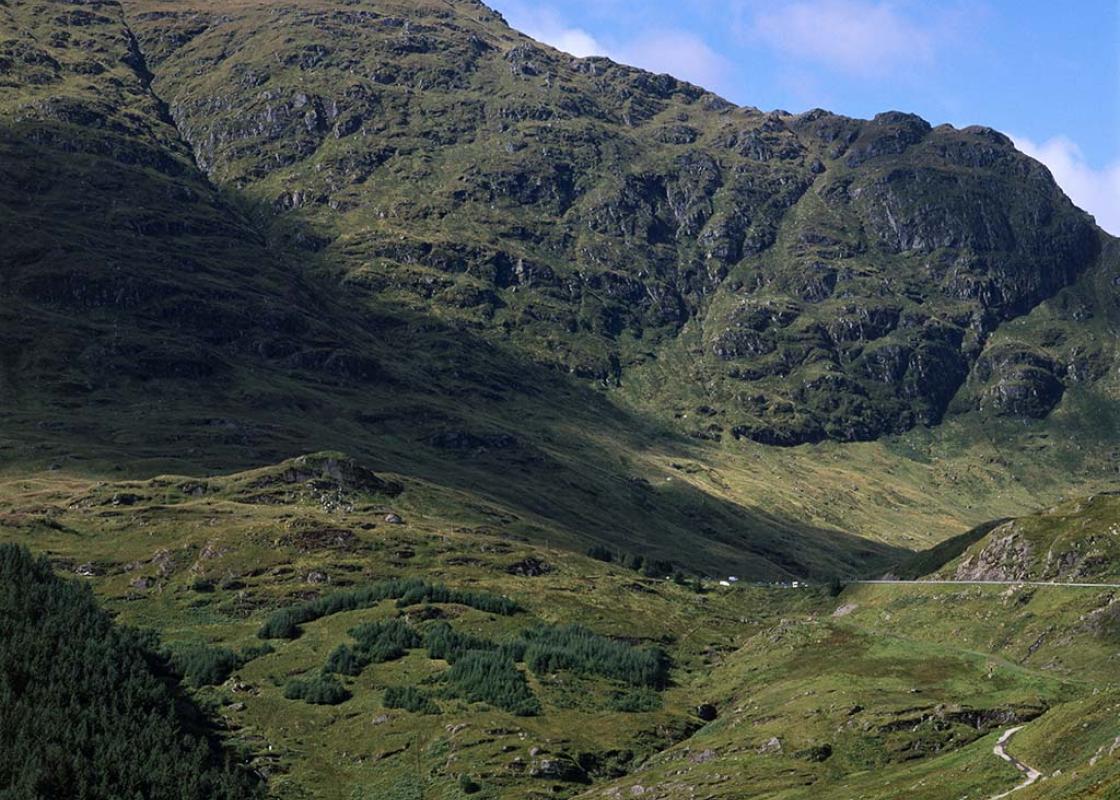
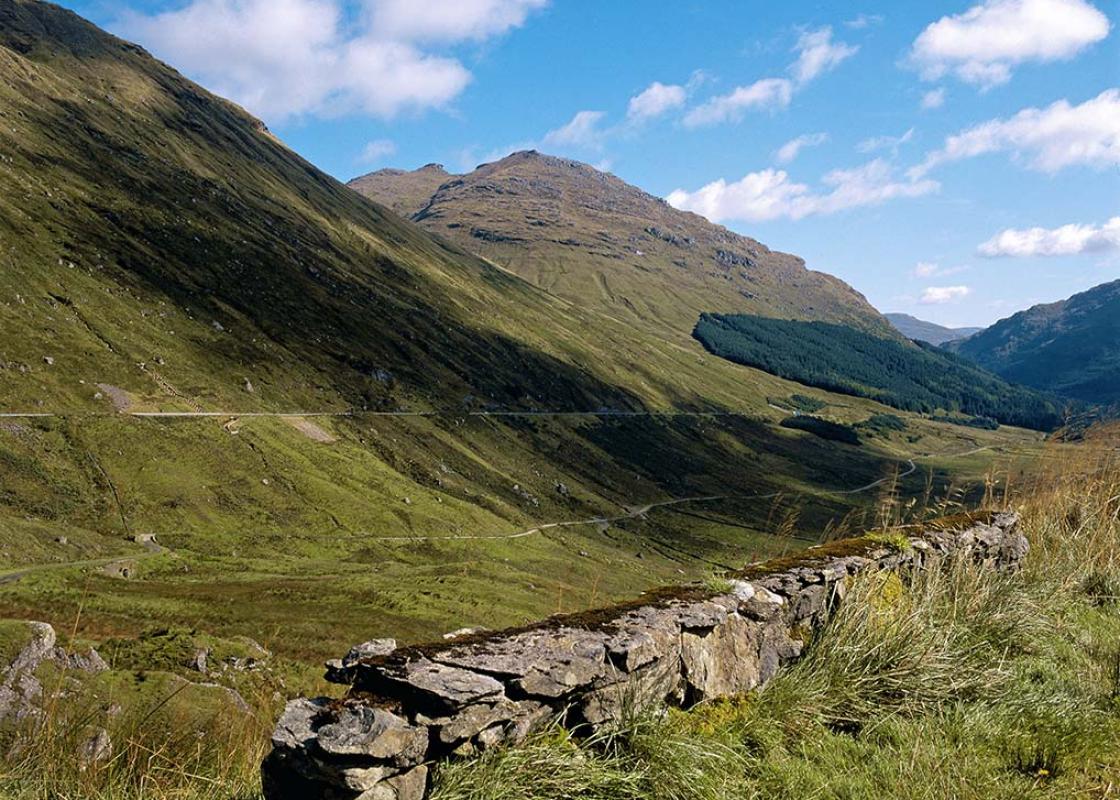
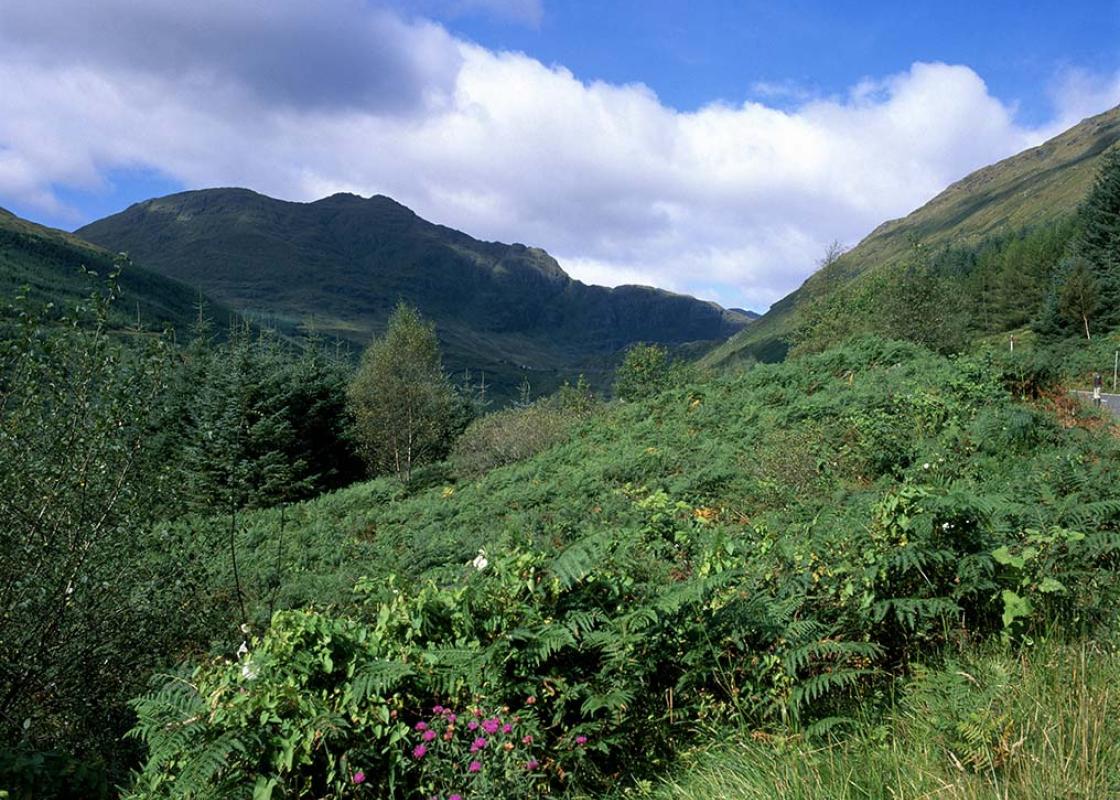
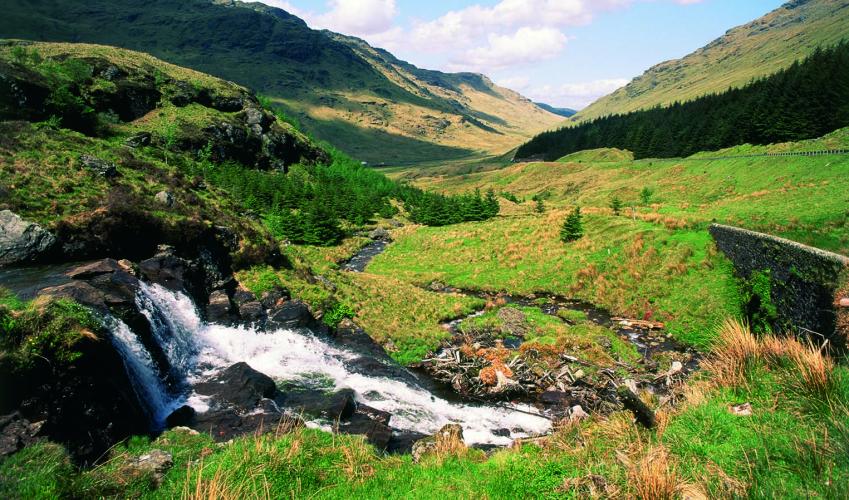
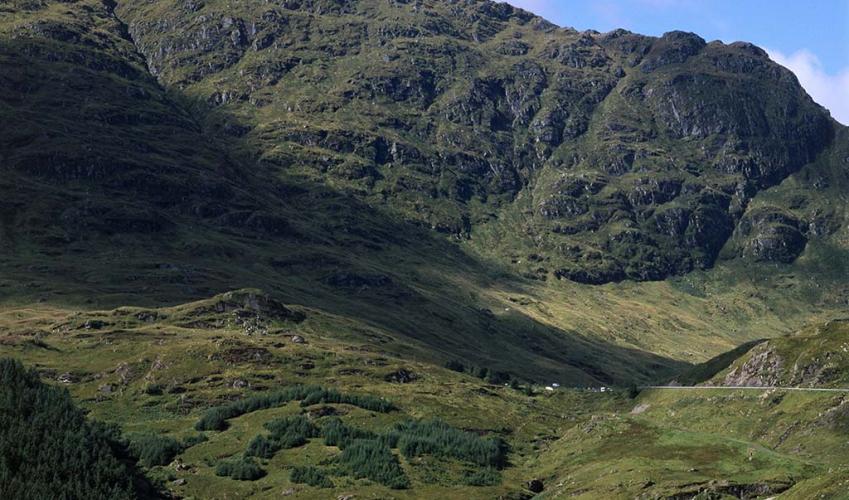
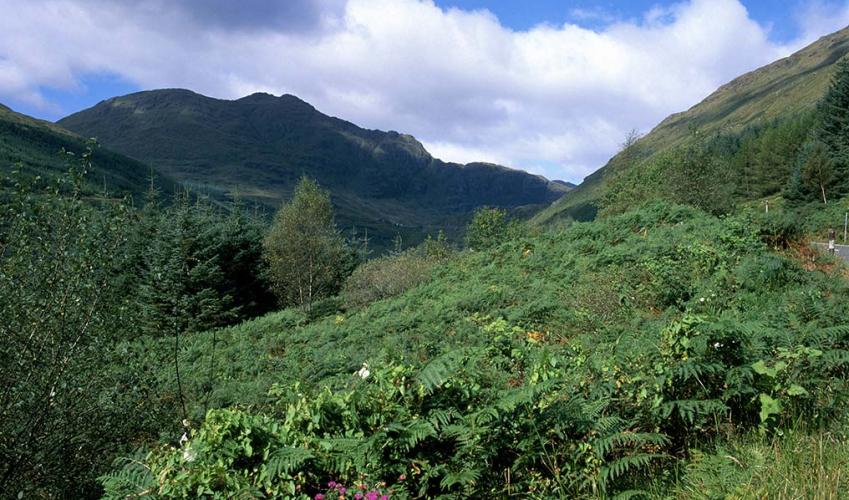
- Hills, glen and forest
Dog friendliness
- Keep on lead near livestock
Parking
- Rest and Be Thankful car park
Toilets en route
- None on route
About the walk
Prior to the 17th century the Highlands of Scotland were a remote area and, for all practical purposes, inaccessible. Rough drove roads or paths followed the line of glens and rivers and most travel was on foot or on horseback. England had roads dating back to the time of the Romans but there were...
Read more
Been on this walk?
Send us photos or a comment about this route. Or recommend a route of your own.
Walking in Safety
Read our tips to look after yourself and the environment when following this walk.
Get an AA guide
Explore our range of ‘50 Walks in’ guides - they’re the ideal companion for a ramble.
Been on this walk?
Send us photos or a comment about this route. Or recommend a route of your own.
Walking in Safety
Read our tips to look after yourself and the environment when following this walk.
Get an AA guide
Explore our range of ‘50 Walks in’ guides - they’re the ideal companion for a ramble.
About the area
This is a county that’s all about awe-inspiring landscapes and unique island cultures. Ex-Beatle Paul McCartney put the area on the map when he wrote Mull of Kintyre, recorded in 1977 with the local pipe band backing his group.
Nearby places to stay
View all (8)






Nearby places to stay
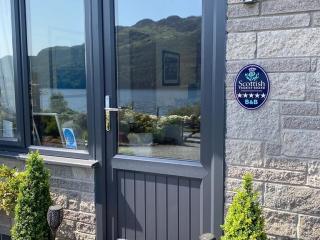
Rowan House B+B and A Self Catering Apartment
Rowan House is located on Loch Goil with a small garden area right on the water's edge. This is a luxury property with wonderful physical standards backed up with attentive service and ...
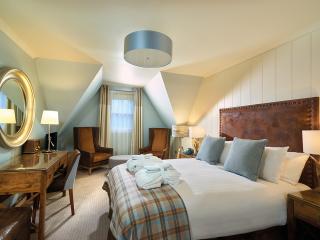
Loch Fyne Hotel & Spa
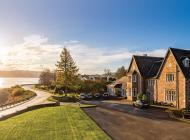
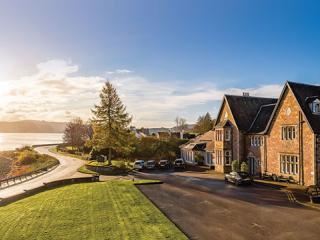
Situated in a stunning location with uninterrupted views across Loch Fyne and the surrounding landscape and close to the historical county town of Inveraray, seat of the Dukes of Argyll...
Taychreggan Hotel
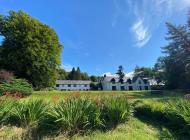
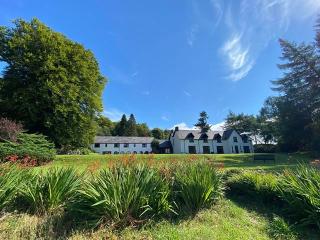
Surrounded by stunning Highland scenery, Taychreggan is a stylish and superbly presented hotel which was once a busy drover's inn. It enjoys an idyllic setting among 40 acres of wooded ...
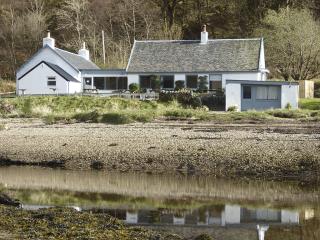
Inver Restaurant & Rooms
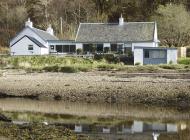
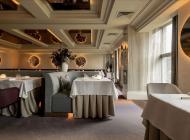
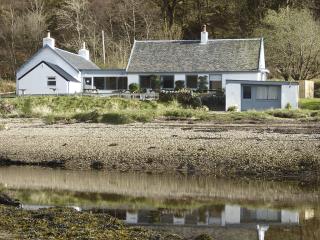
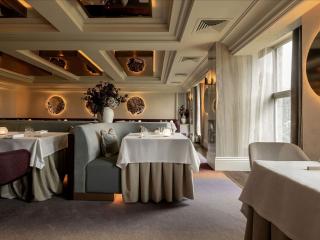
Inver Restaurant & Rooms occupies a beautifully converted lochside croft on the shores of Loch Fyne, where the wild landscape of Argyll shapes both the atmosphere and experience. Inside...
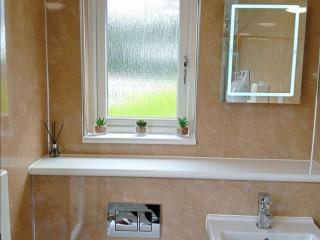
Rosneath Castle Park
Rosneath Castle Park enjoys a stunning loch-side location at the foot of the Roseneath Peninsula. A very well presented park with a wealth of facilities for guests to use. There's high ...
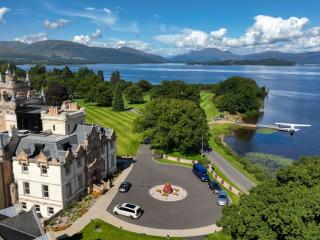
Cameron House on Loch Lomond
Experience the allure of Cameron House, a resort nestled on the serene shores of Loch Lomond, set amidst 400 acres of picturesque grounds. Surrounded by the stunning landscapes of the S...
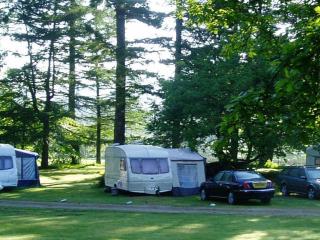
Glendaruel Caravan Park
Glendaruel Gardens, with an arboretum, is the peaceful setting for this pleasant, well established wooded site in a valley surrounded by mountains. It is set back from the main road and...
Glen Dochart Holiday Park
A small site located on the A85 some eight miles from Killin, with boating and fishing available on Loch Tay, and stunning views over the surrounded hills from tiered pitches. It is als...
Places to eat nearby View all