"An easy ramble along the peaceful Lerryn Creek and on through Ethy Wood."
Walk directions
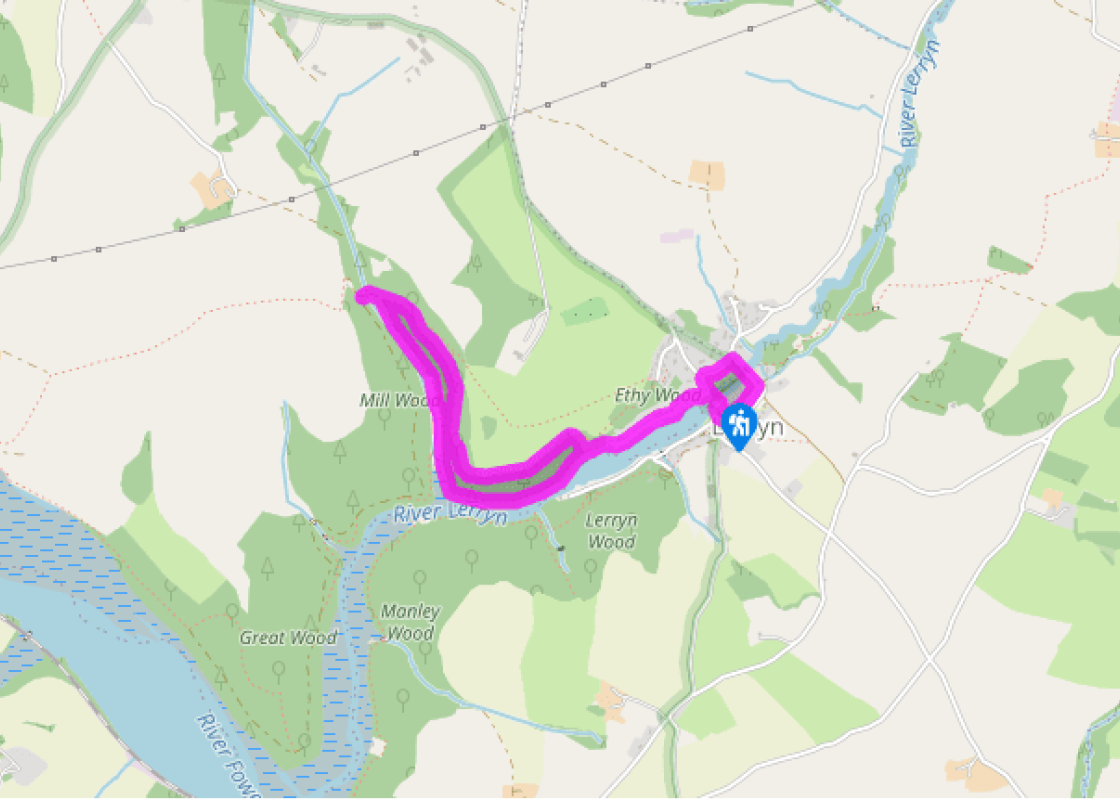
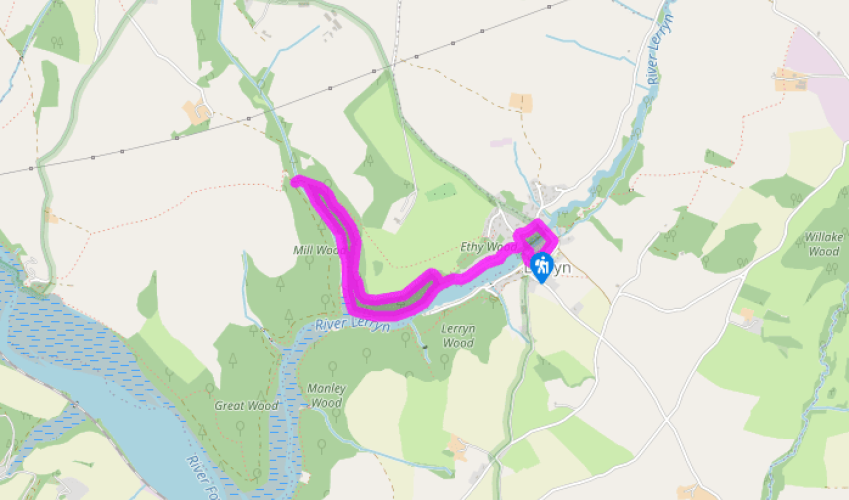
Turn left out of the car park to pass the Lerryn Memorial Hall and follow the road round left and across the river bridge (Alternatively cross the river from the car park by the stepping stones – if feasible, and at your own risk.) Turn left along a riverbank lane, past houses. Take the first turning left, and at a T-junction go left to the riverside. Turn right along a riverbank lane, opposite the stepping stones from the car park.
Go along a track into the woods, beyond the last house. Pass a stone pillar, and bear round right to reach the banks of a small inlet at Ethy Quay. Continue along the stony track, and where the path forks at the head of the inlet take the right-hand branch over a rocky section at first.
Reach another junction and keep straight ahead, then take the left-hand branch. Pass above a house, once St Nott’s Mill, and continue along the main track.
Reach a junction with a path going off right. (You can continue on the main path for a short distance to see the derelict St Winnow Mill and then return to the junction.) Turn onto this path and climb steeply. Go right at a crossing of paths, then keep left at the next junction.
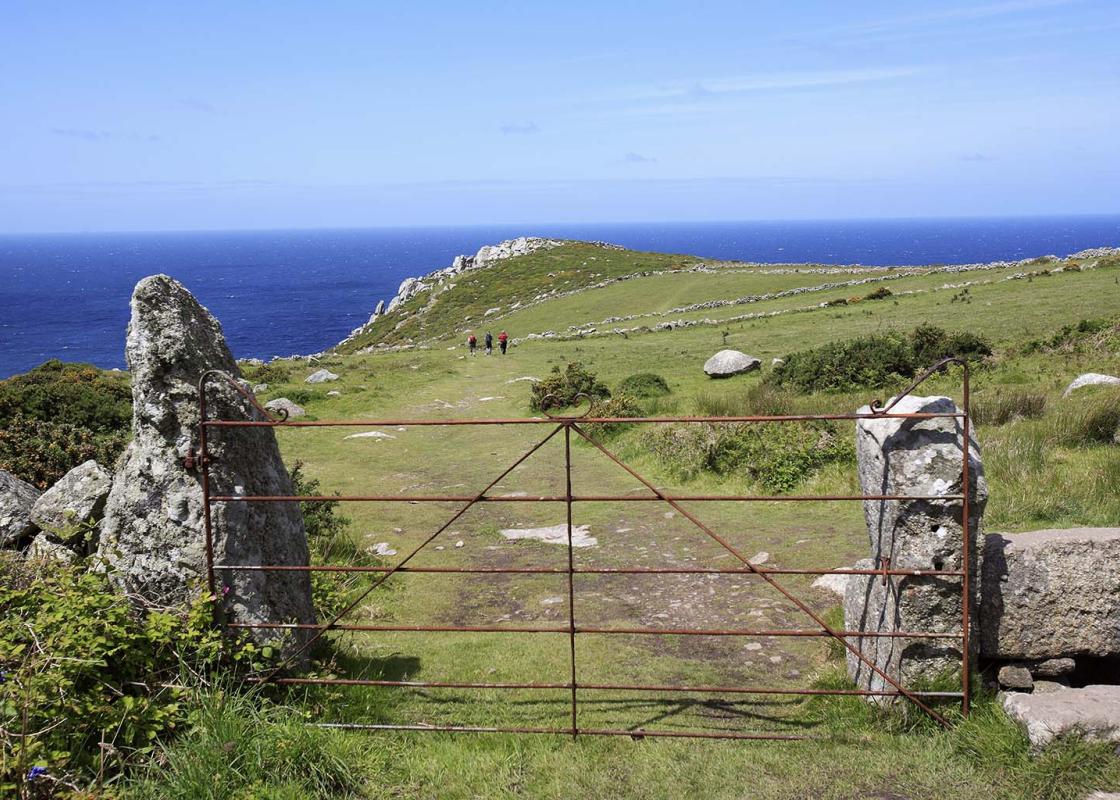
Go through a wooden gate. The track now becomes a narrow path. Follow this path through tall pine trees and quite steeply downhill to re-join the creekside track used on the outgoing section of the walk. Turn left and return to Lerryn and the car park.
There are corners of Cornwall that seem so well hidden that you begin to suspect that they may move around at night just to catch you out. The village of Lerryn, between the town of Lostwithiel and the port of Fowey, is one such place. It is worth finding all the same. Seagoing port Lerryn was... once a seagoing port for sailing barges that crept inland via the River Fowey to the tidal headwaters of the tributary River Lerryn. They carried limestone and coal for the kilns that stood near the village and which produced lime for fertilising local fields. The barges also fetched and carried goods to and from the old Ethy Estate that lay at Lerryn, and from the village and surrounding farms. The deep woods of the area produced charcoal, pit props and bark that would be shipped downriver to seagoing vessels moored at Fowey. This was the Cornwall of waterborne transport, when even such a lovely lost backwater as Lerryn was linked to the great outside world by water rather than by rough tracks and turnpike roads. Today, Lerryn Creek is deeply silted, although small leisure boats still use river and creek when high tide draws a shining sleeve of water over the mousse-like mud banks. Ancient oaks The walk you follow curls its way along the bank of Lerryn Creek and then climbs inland through Ethy Wood, once part of the Ethy Estate and now in the care of the National Trust. This is a green world of ancient oak trees and other mixed woodland that shelters a perennially damp understorey where mosses, ferns and woodland plants grow in profusion. Ethy Wood has been identified as a nationally important area for lichens. The creek and its wooded banks also have a fascinating claim to literary fame, being said to have inspired Kenneth Grahame’s Wind in the Willows (1908). Grahame often stayed at Fowey and made boat trips upriver to Lerryn, and it’s not too fanciful to imagine him basing Rat and Mole’s river picnic on Lerryn’s perfect river setting. Lerryn village still retains such timeless charm. At low water, stepping stones span the river. They are fit to cross – at your own risk, of course.
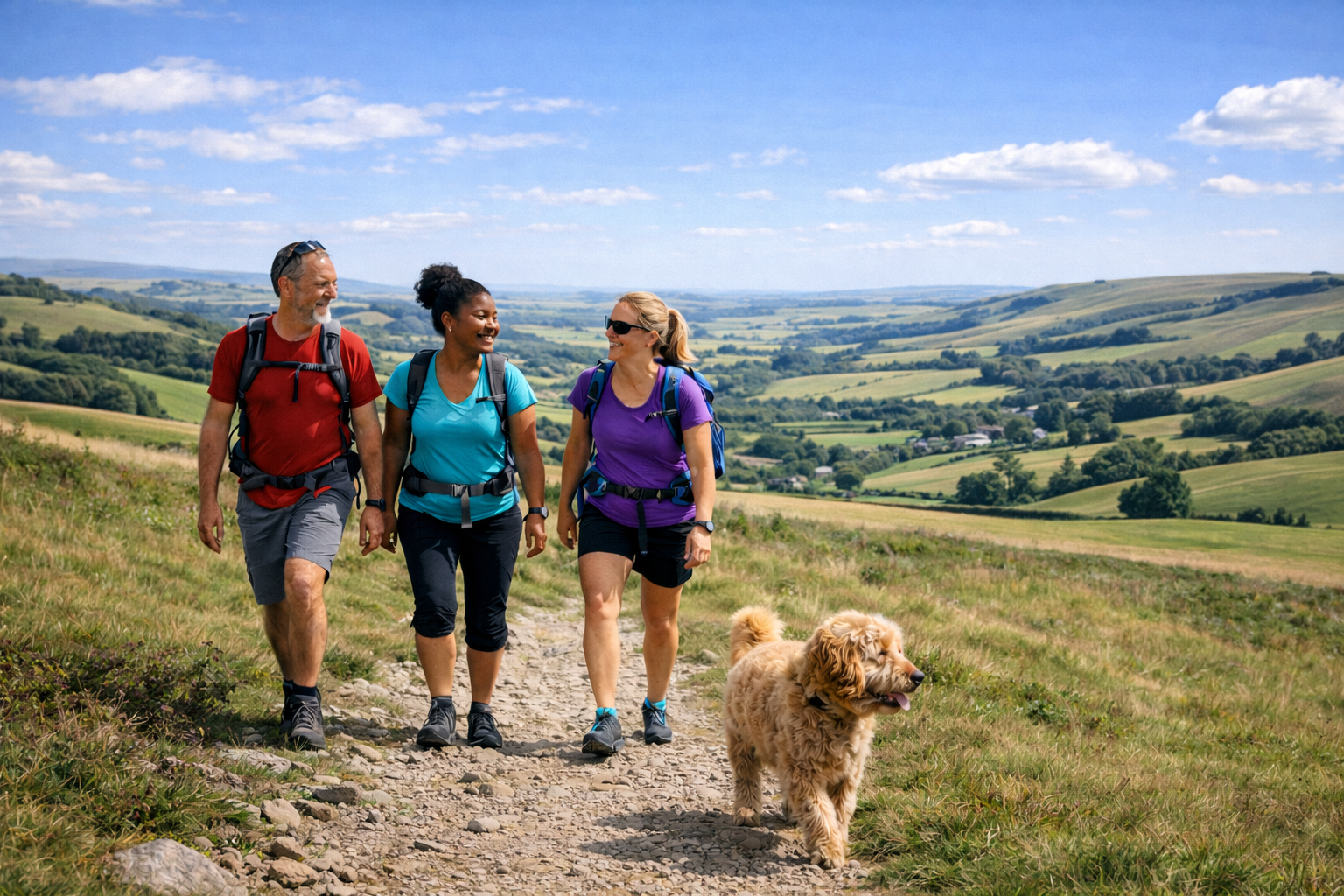
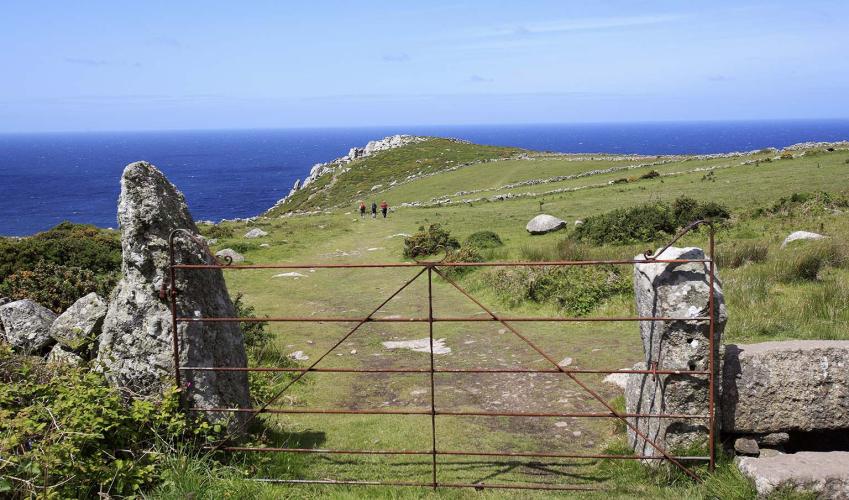
Cornwall has just about everything – wild moorland landscapes, glorious river valley scenery, picturesque villages and miles of breathtaking coastline. Known for its popular surfing spots, the region provides ample opportunities for water sport enthusiasts, and for those who prefer to stay on land, visitor attractions like the Eden Project and the Lost Gardens of Heligan offer a lovely day out.
"An easy ramble along the peaceful Lerryn Creek and on through Ethy Wood."
Walk details
1hr 15min
Difficulty:
Easy
Gradient:
Gentle
Distance:
2.5 miles (4kms)
Ascent:
80ft (24m)
Walk directions
Turn left out of the car park to pass the Lerryn Memorial Hall and follow the road round left and across the river bridge (Alternatively cross the river from the car park by the stepping stones – if feasible, and at your own risk.) Turn left along a riverbank lane, past houses. Take the first turning left, and at a T-junction go left to the riverside. Turn right along a riverbank lane, opposite the stepping stones from the car park.
1 of 5
Go along a track into the woods, beyond the last house. Pass a stone pillar, and bear round right to reach the banks of a small inlet at Ethy Quay. Continue along the stony track, and where the path forks at the head of the inlet take the right-hand branch over a rocky section at first.
2 of 5
Reach another junction and keep straight ahead, then take the left-hand branch. Pass above a house, once St Nott’s Mill, and continue along the main track.
3 of 5
Reach a junction with a path going off right. (You can continue on the main path for a short distance to see the derelict St Winnow Mill and then return to the junction.) Turn onto this path and climb steeply. Go right at a crossing of paths, then keep left at the next junction.
4 of 5
Go through a wooden gate. The track now becomes a narrow path. Follow this path through tall pine trees and quite steeply downhill to re-join the creekside track used on the outgoing section of the walk. Turn left and return to Lerryn and the car park.
There are corners of Cornwall that seem so well hidden that you begin to suspect that they may move around at night just to catch you out. The village of Lerryn, between the town of Lostwithiel and the port of Fowey, is one such place. It is worth finding all the same. Seagoing port Lerryn was... once a seagoing port for sailing barges that crept inland via the River Fowey to the tidal headwaters of the tributary River Lerryn. They carried limestone and coal for the kilns that stood near the village and which produced lime for fertilising local fields. The barges also fetched and carried goods to and from the old Ethy Estate that lay at Lerryn, and from the village and surrounding farms. The deep woods of the area produced charcoal, pit props and bark that would be shipped downriver to seagoing vessels moored at Fowey. This was the Cornwall of waterborne transport, when even such a lovely lost backwater as Lerryn was linked to the great outside world by water rather than by rough tracks and turnpike roads. Today, Lerryn Creek is deeply silted, although small leisure boats still use river and creek when high tide draws a shining sleeve of water over the mousse-like mud banks. Ancient oaks The walk you follow curls its way along the bank of Lerryn Creek and then climbs inland through Ethy Wood, once part of the Ethy Estate and now in the care of the National Trust. This is a green world of ancient oak trees and other mixed woodland that shelters a perennially damp understorey where mosses, ferns and woodland plants grow in profusion. Ethy Wood has been identified as a nationally important area for lichens. The creek and its wooded banks also have a fascinating claim to literary fame, being said to have inspired Kenneth Grahame’s Wind in the Willows (1908). Grahame often stayed at Fowey and made boat trips upriver to Lerryn, and it’s not too fanciful to imagine him basing Rat and Mole’s river picnic on Lerryn’s perfect river setting. Lerryn village still retains such timeless charm. At low water, stepping stones span the river. They are fit to cross – at your own risk, of course.
Cornwall has just about everything – wild moorland landscapes, glorious river valley scenery, picturesque villages and miles of breathtaking coastline. Known for its popular surfing spots, the region provides ample opportunities for water sport enthusiasts, and for those who prefer to stay on land, visitor attractions like the Eden Project and the Lost Gardens of Heligan offer a lovely day out.