Bibury, Arlington and Ablington
Recommended by

Our view
"The outer charm of a weavers' village conceals miserable working conditions."
Walk directions
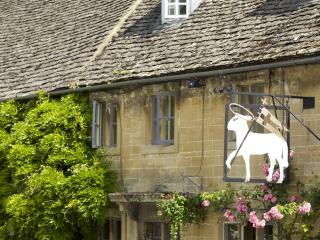
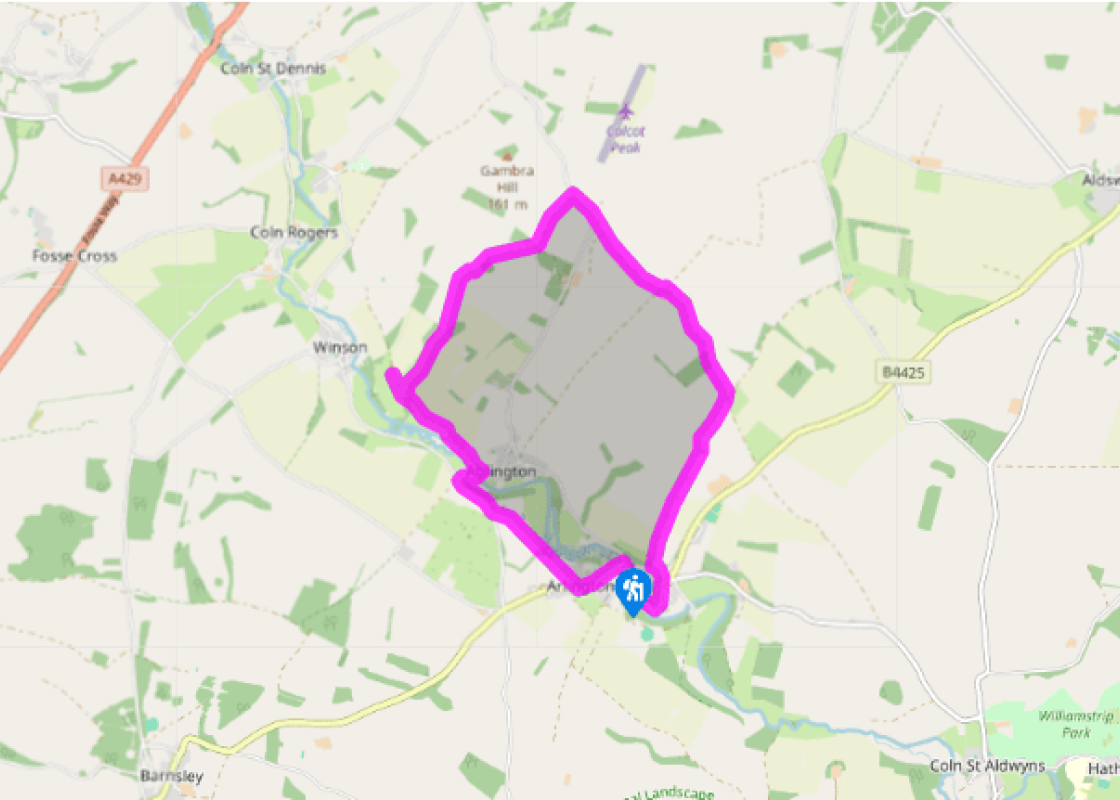
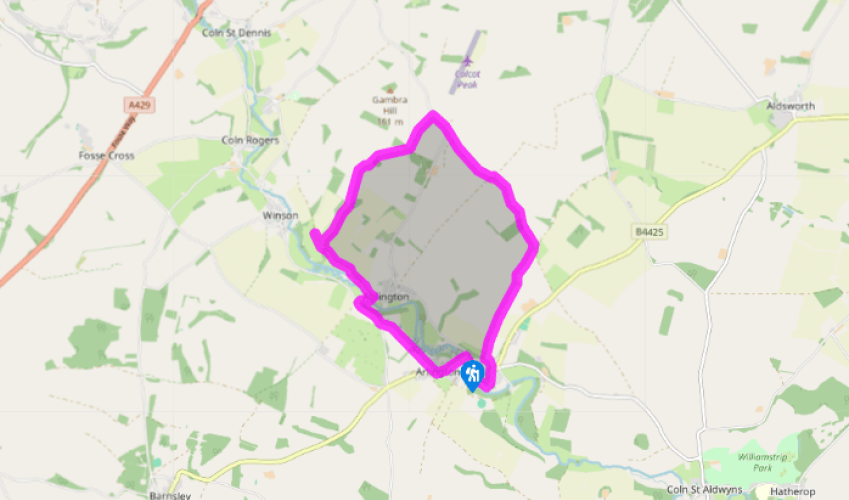
From the entrance to the trout farm, walk away from Bibury along Cirencester Road. Opposite the telephone box, after The Catherine Wheel pub, turn right along a lane and then keep left at a fork. Go through a wooden gate, past some cottages and through another gate into a field. On the same path, curve left and then right through fields and past a farm building until you come to a road.
Turn right and walk down to a junction. Turn right into Ablington and cross the River Coln on a bridge. After about 33yds (30m), turn left along a track with houses on your right and a stream to your left. Continue to a gate and then follow the track, veering to the right and heading slightly uphill, arriving at another gate after 0.3 miles (500m).
View all directions
Additional information
Terrain
- Fields, tracks and lane, may be muddy in places
Landscape
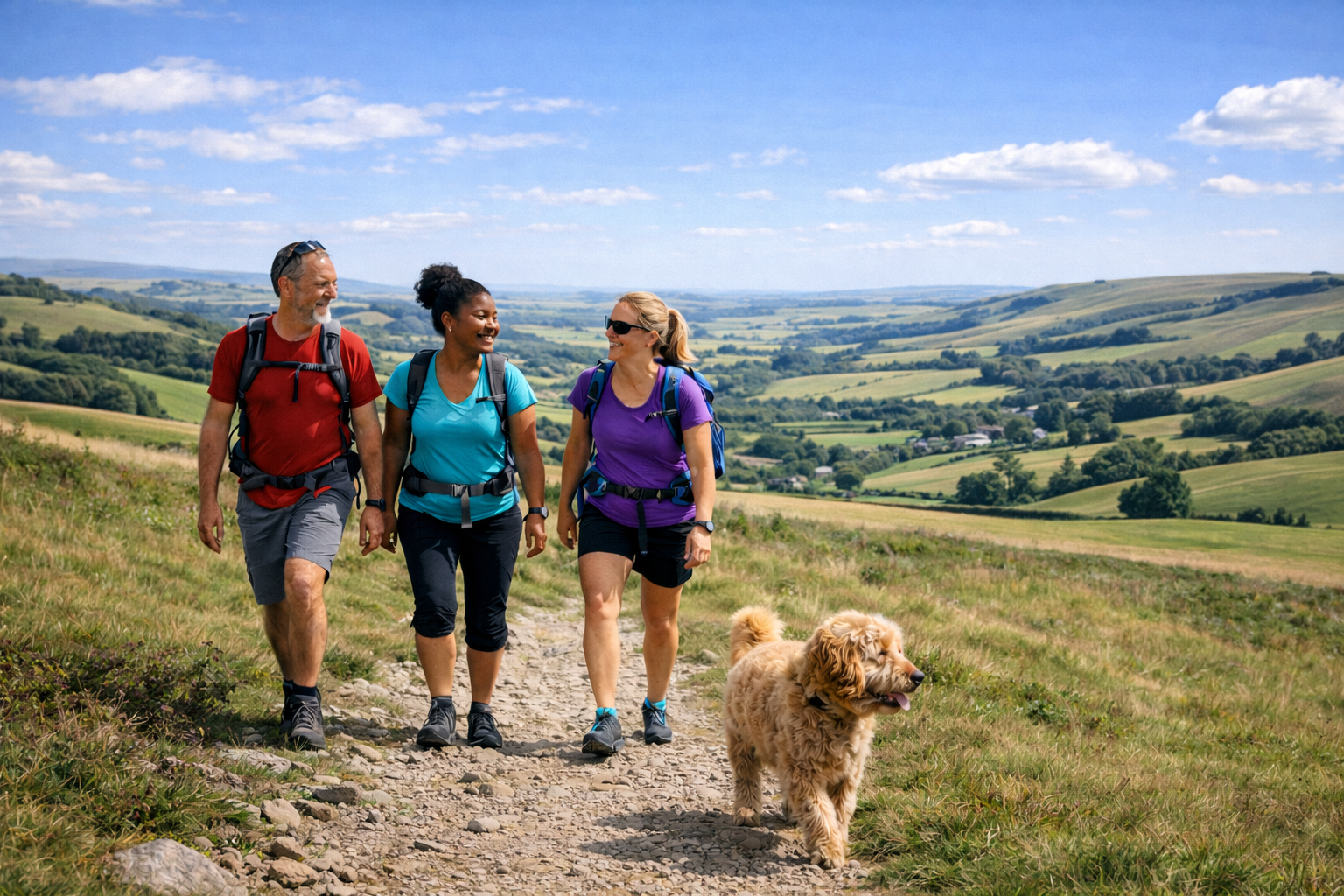
- Exposed wolds, valley, villages and streams
Dog friendliness
- Lead required throughout – lots of sheep and horses
Parking
- Off-road parking area in Bibury village opposite Trout Farm
Toilets en route
- Near Post office
About the walk
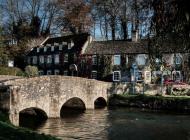
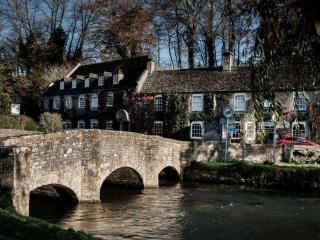
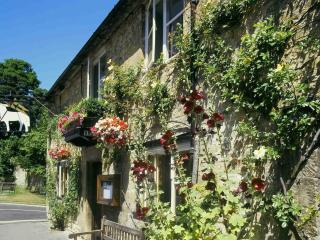
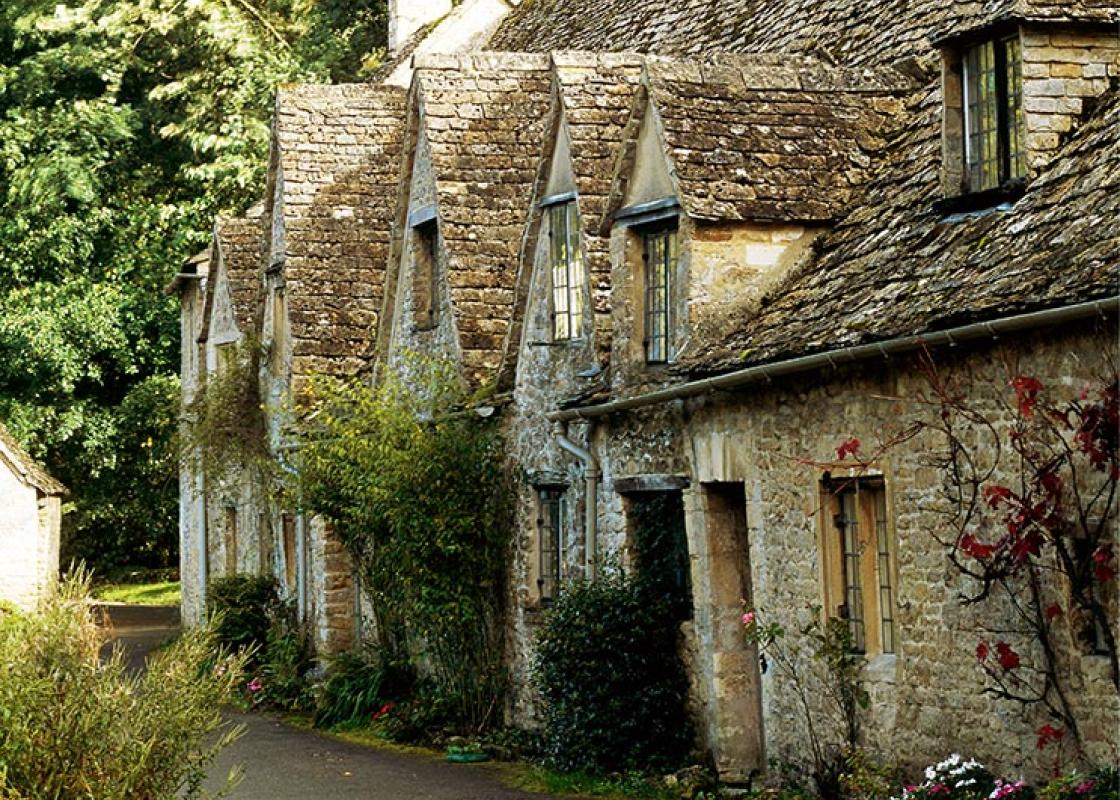
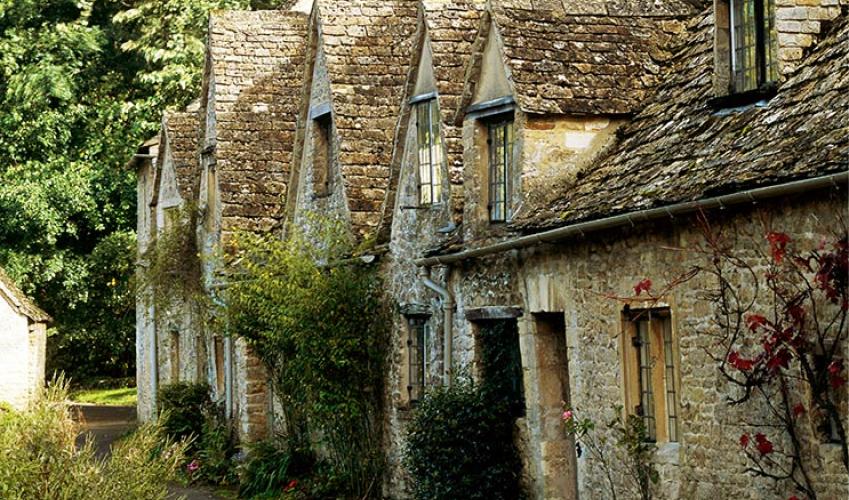
Arlington Row is the picturesque terrace of cottages that led William Morris to refer to Bibury as the most beautiful village in England. It was originally built, it is thought, in the late 14th century, to house sheep belonging to Osney Abbey in Oxford. The wool was washed in the river and then...
Read more

Been on this walk?
Send us photos or a comment about this route. Or recommend a route of your own.

Walking in Safety
Read our tips to look after yourself and the environment when following this walk.
Get an AA guide
Explore our range of ‘50 Walks in’ guides - they’re the ideal companion for a ramble.
Been on this walk?
Send us photos or a comment about this route. Or recommend a route of your own.
Walking in Safety
Read our tips to look after yourself and the environment when following this walk.
Get an AA guide
Explore our range of ‘50 Walks in’ guides - they’re the ideal companion for a ramble.
About the area
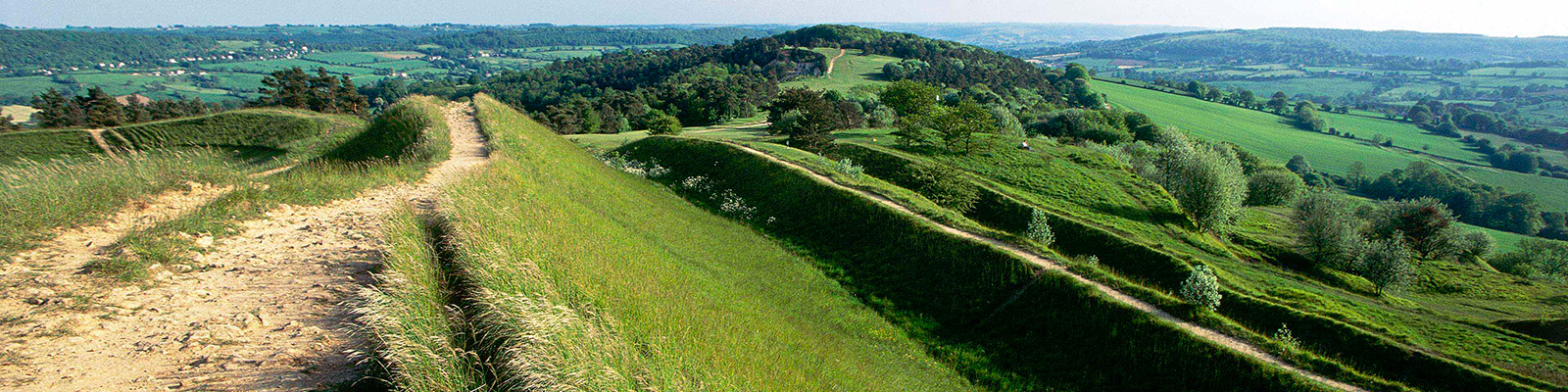
Gloucestershire is home to a variety of landscapes, including the Cotswolds, a region of gentle hills, valleys and gem-like villages that roll through the county. To their west is the Severn Plain, watered by Britain’s longest river and characterised by orchards and farms marked out by hedgerows that blaze with mayflower in the spring; beyond the Severn are the Forest of Dean and the Wye Valley.
Nearby places to stay
View all (8)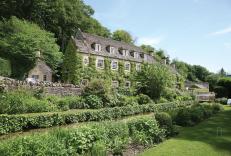






Nearby places to stay
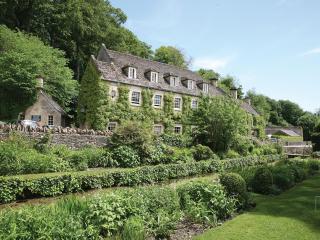
Swan Hotel
The Swan Hotel was built in the 17th century as a coaching inn, and is set in peaceful and picturesque surroundings. It provides well-equipped and smartly presented accommodation, inclu...
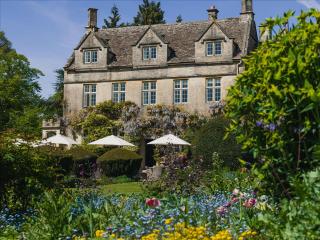
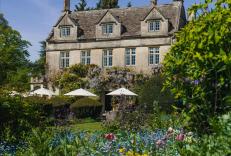
THE PIG-in the Cotswolds
The latest addition to the popular Pig Group is now this charming Country House deep in the Cotswolds. The signature contemporary styling is obvious throughout coupled with a relaxed an...
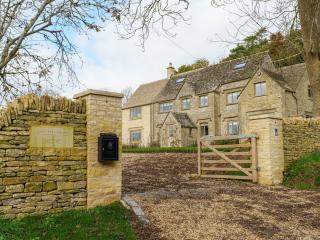
Collingwood House
Awaiting description....
Collingwood House
Awaiting description....
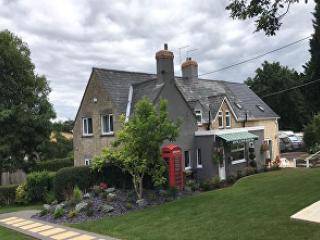
Mayfield Park
A much improved and gently sloping park on the edge of the Cotswolds that offers level pitches and a warm welcome. Popular with couples and families, it has well-appointed, fully servic...
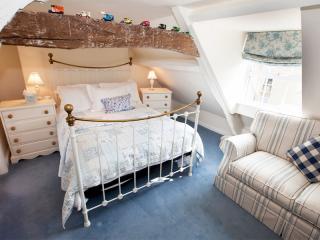
The Old Brewhouse
The Old Brewhouse, a delightful 17th-century town house, is within easy reach of the centre of Cirencester, the Roman Corinium. Holder of a Breakfast Award, the four guest rooms are bui...
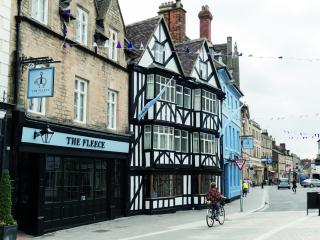
The Fleece at Cirencester
Located in the heart of the market town of Cirencester, this country inn has been finished to a high standard with guests and comfort in mind. Bedrooms are sumptuous, and many thoughtfu...
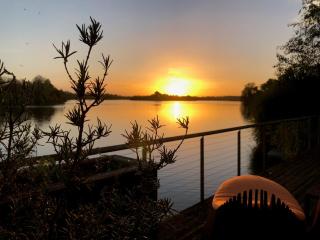
Lake House at Lakes by Yoo
A perfect retreat overlooking the finest British countryside, this is a haven for anybody that is looking to really detach themselves from the hustle and bustle of their busy lives whil...
Places to eat nearby View all