Stanton, Laverton and Buckland
Recommended by

Our view
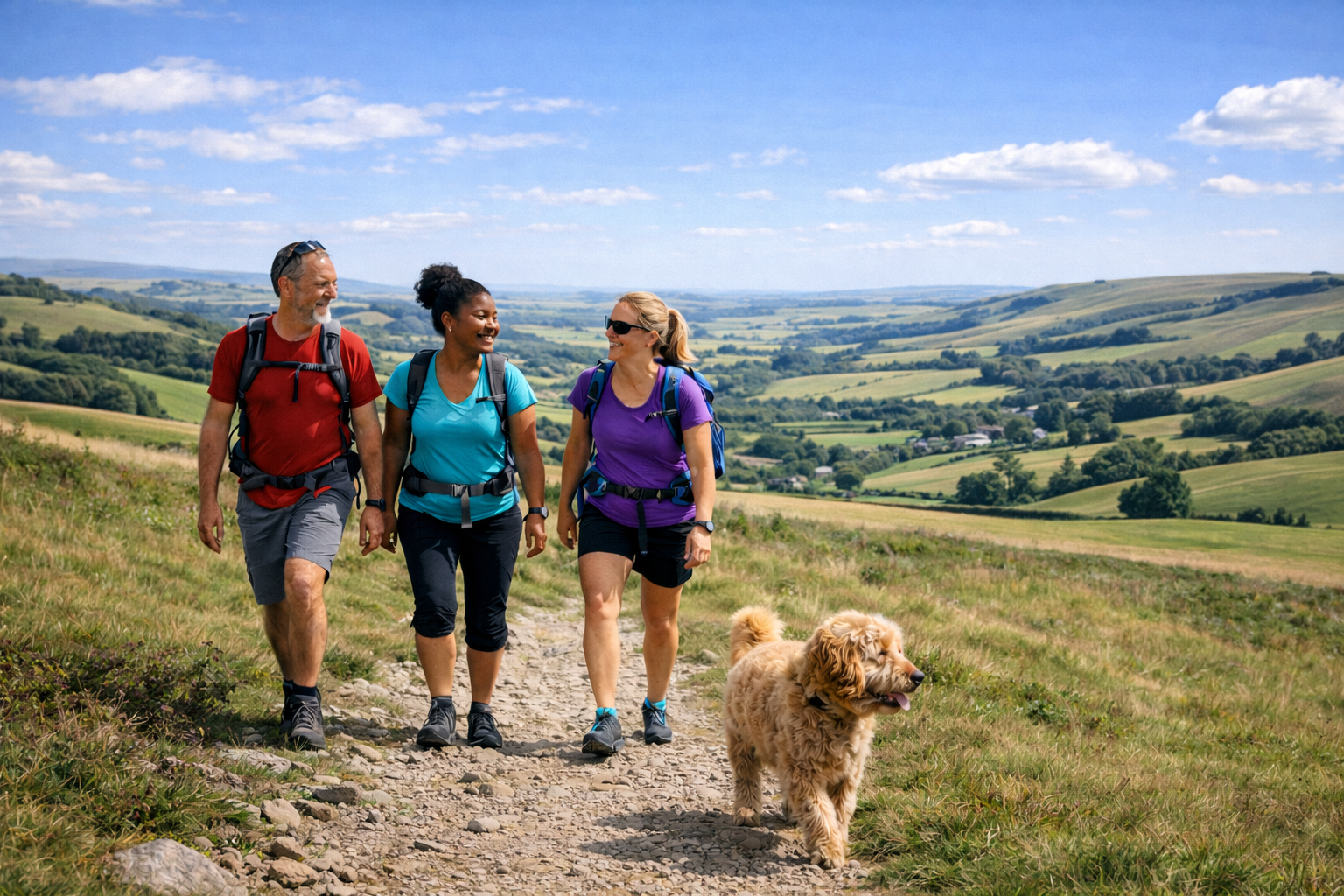
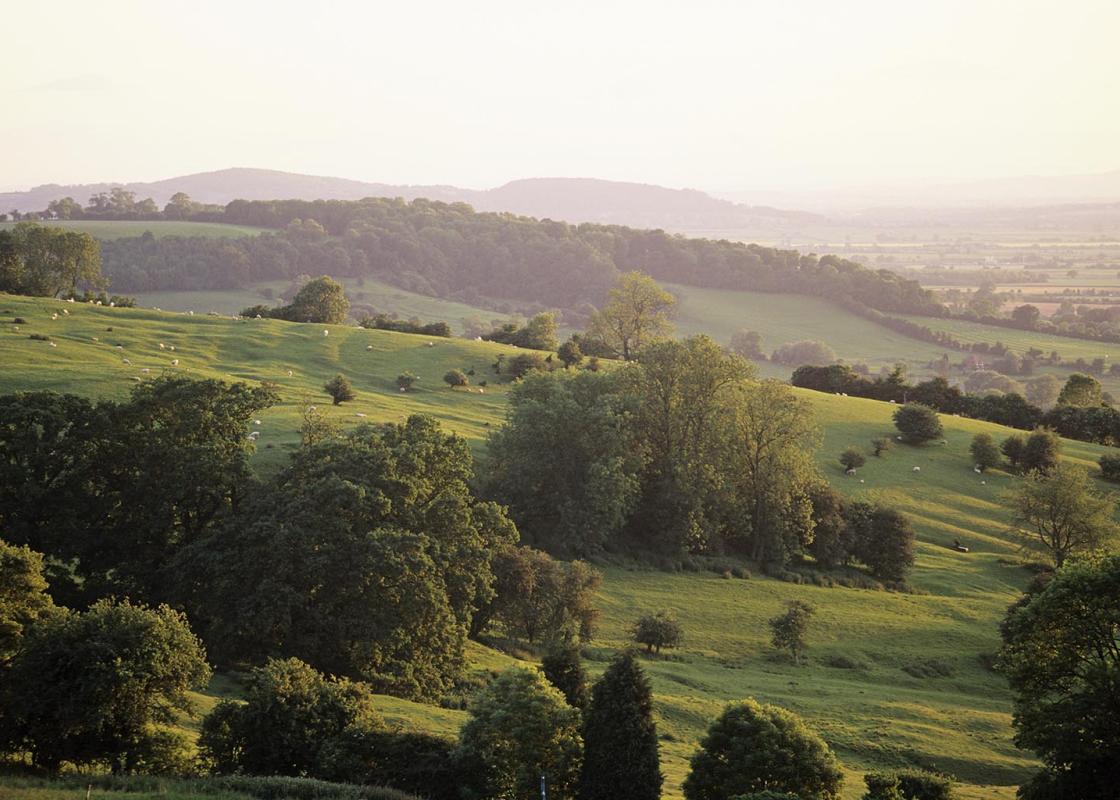
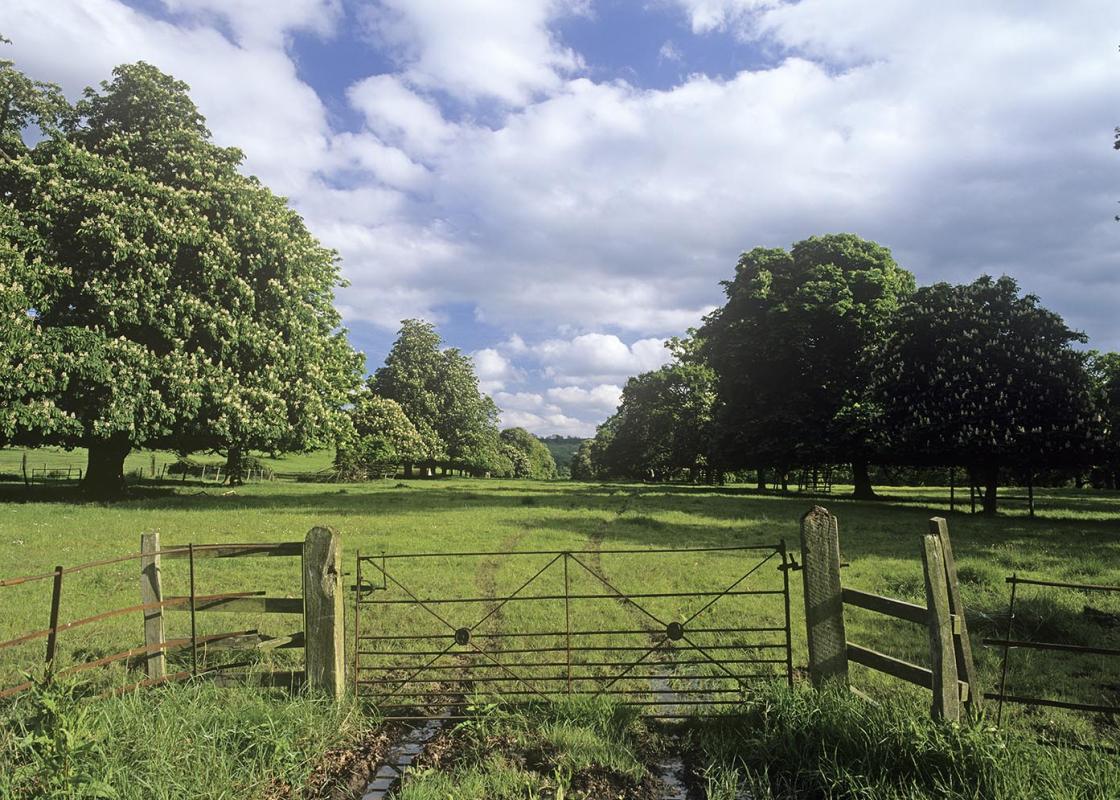
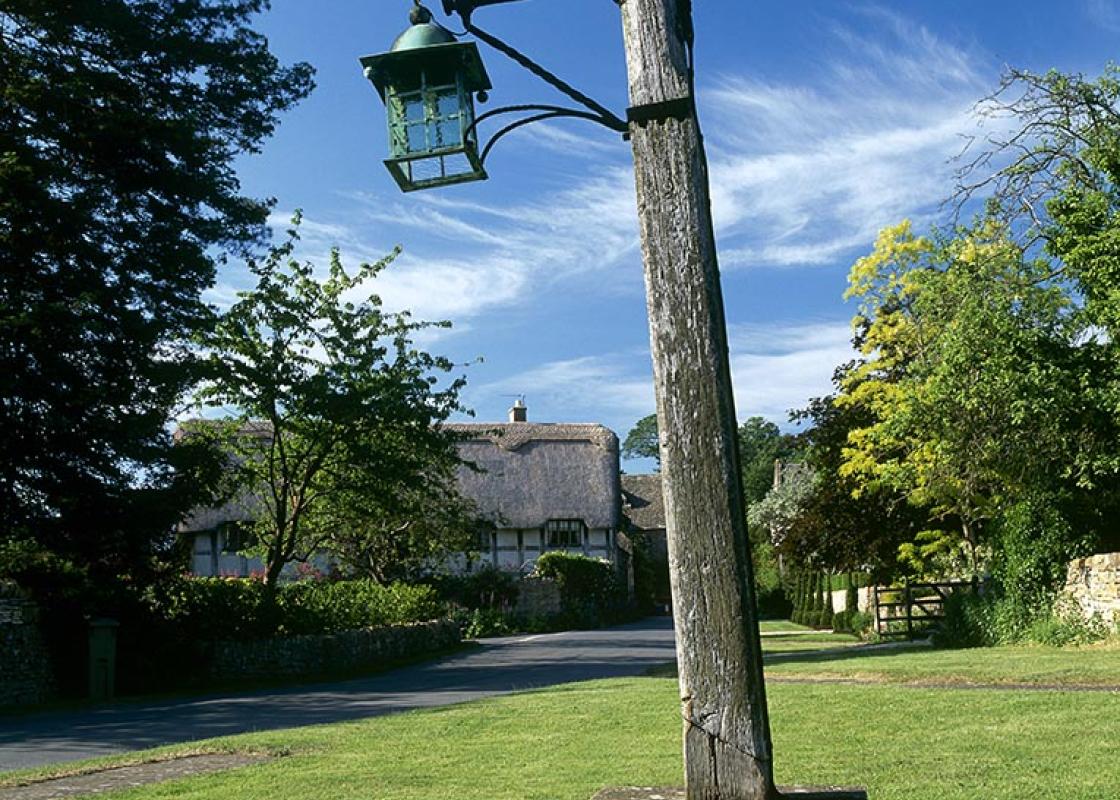
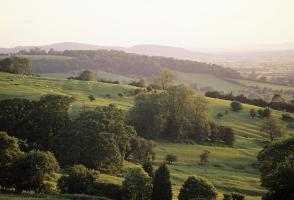
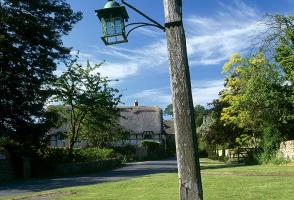
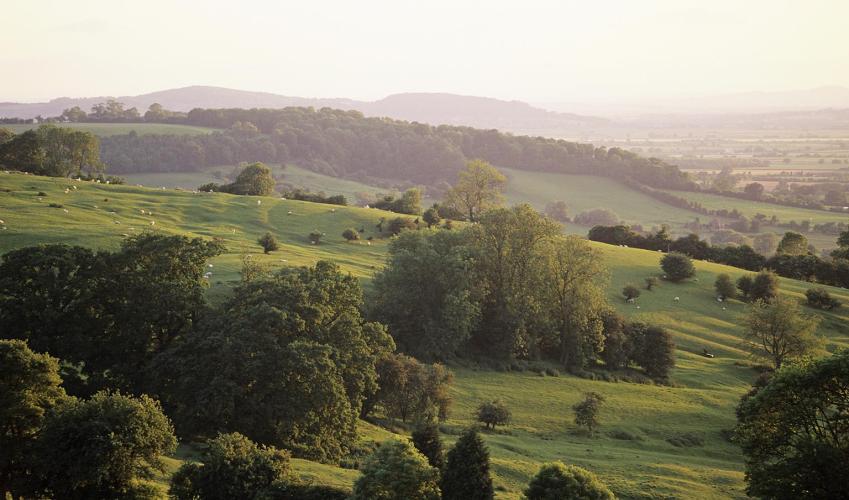
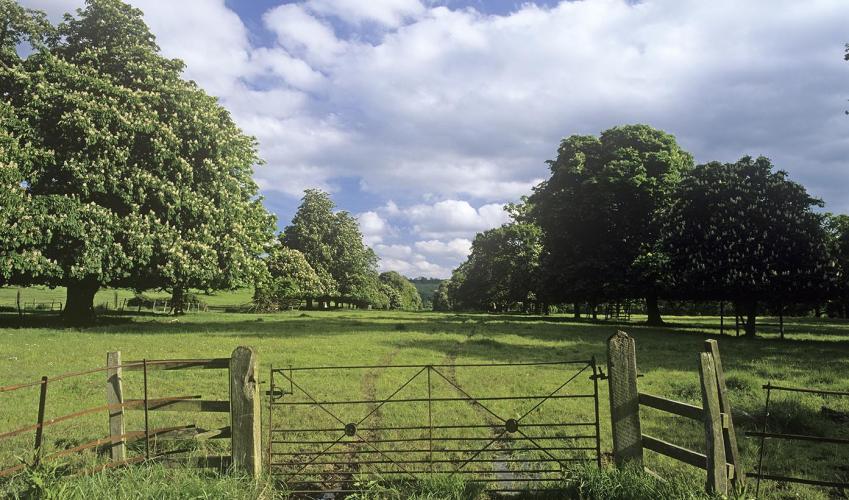
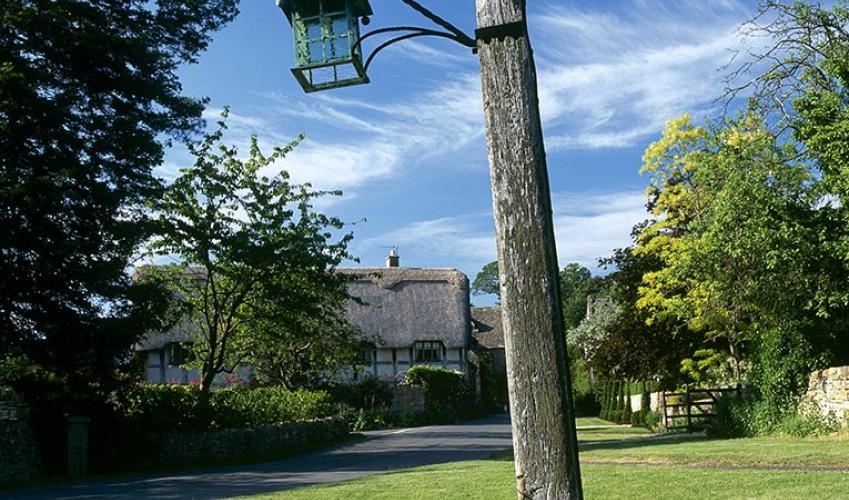
"A walk through three radiant Cotswold villages, two of which have strong connections with Methodism"
Walk directions
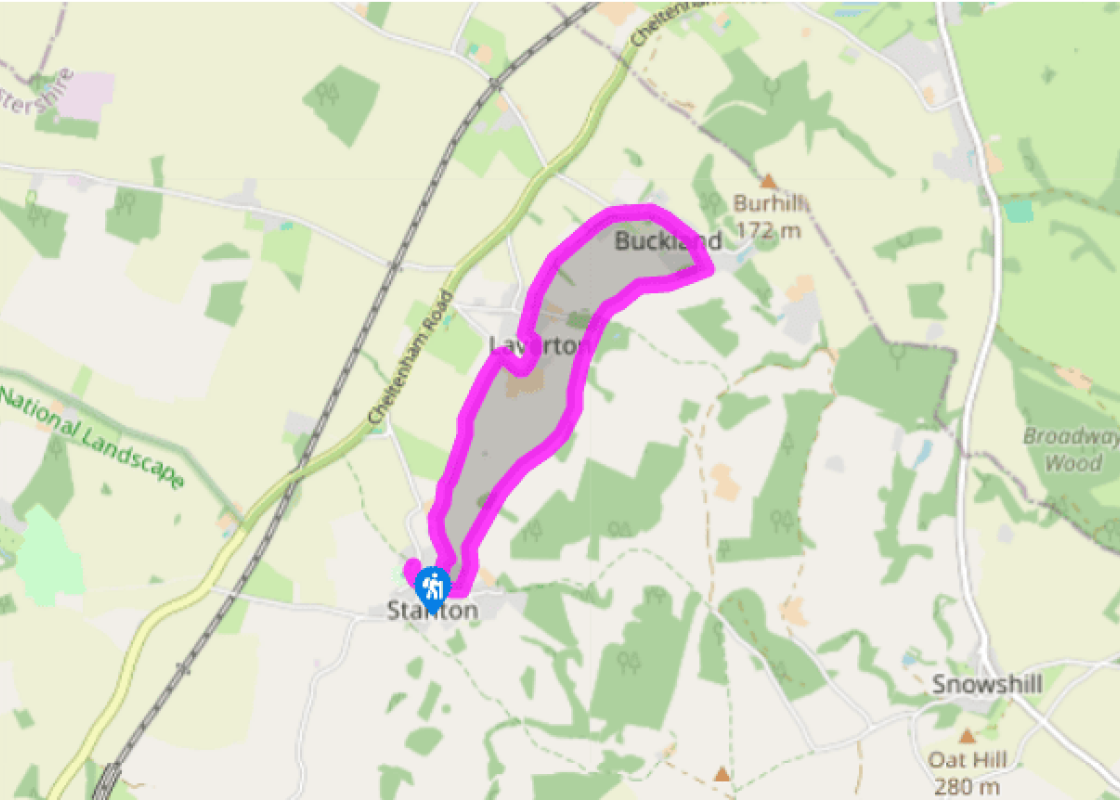
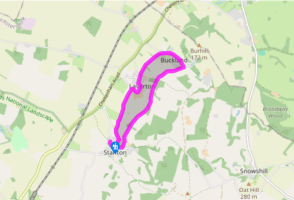
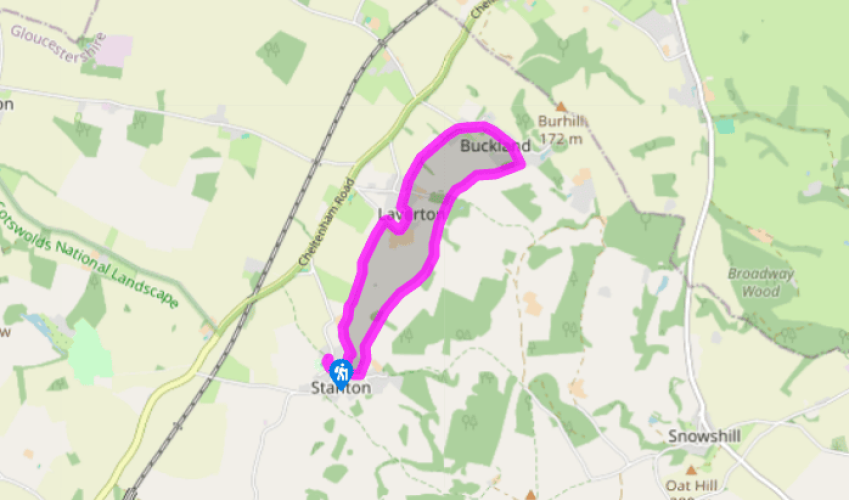
From the car park, turn right and then left into the village by the war memorial plaque. Turn left at Stanton village cross and head for the churchyard. Go through a gate into the churchyard, pass to the right of the church, and in the corner turn right along an alley.
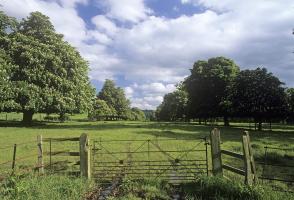
At the end, turn left just before a double gate, and follow an enclosed path to a kissing gate. Follow the left-hand margin of the field, heading towards a kissing gate in a hedge gap. Go through and turn slightly right to pass stables to your left. Go through another gate, and at the next corner go through a gate, over a footbridge and through successive gates to walk to a stile. Cross the stile and walk ahead to another, just to the left of the field corner and continue, crossing a third stile, towards Laverton.
View all directions
Additional information
Terrain
- Track, grassland, pavement, several stiles
Landscape
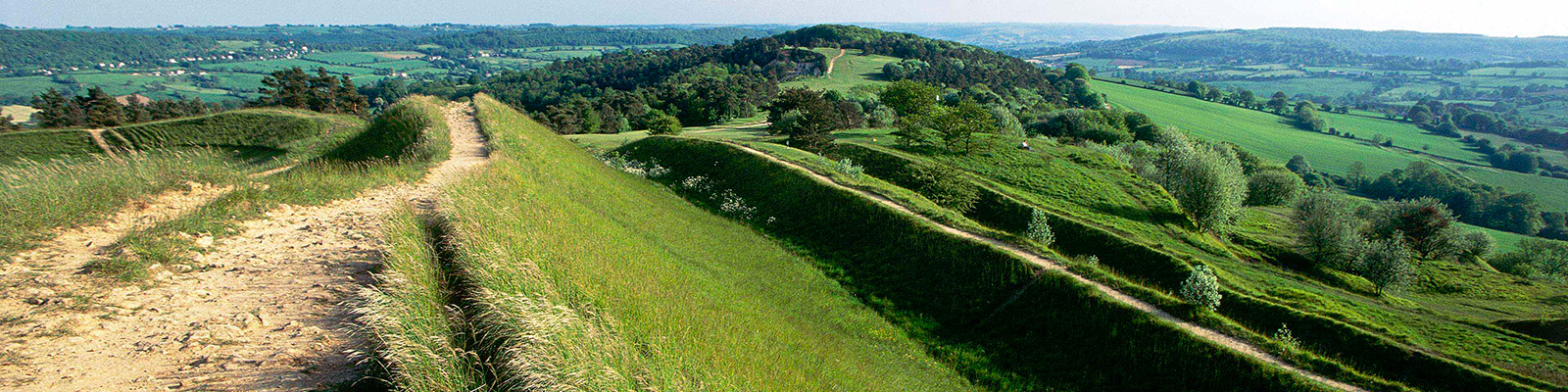
- Grassland, wold, wide-ranging views, villages
Dog friendliness
- Livestock throughout, especially horses, so dogs should be on leads
Parking
- Car park in front of Stanton village club
Toilets en route
- None on route
About the walk
Stanton was rescued from oblivion in 1906 by the architect Sir Philip Stott, who bought and restored Stanton Court, as well as many of the village’s 16th-century houses. The church, on a lane leading from the market cross, has two pulpits – one dating from the 14th century, the other Jacobean – and...
Read more

Been on this walk?
Send us photos or a comment about this route. Or recommend a route of your own.

Walking in Safety
Read our tips to look after yourself and the environment when following this walk.
Get an AA guide
Explore our range of ‘50 Walks in’ guides - they’re the ideal companion for a ramble.
Been on this walk?
Send us photos or a comment about this route. Or recommend a route of your own.
Walking in Safety
Read our tips to look after yourself and the environment when following this walk.
Get an AA guide
Explore our range of ‘50 Walks in’ guides - they’re the ideal companion for a ramble.
About the area
Gloucestershire is home to a variety of landscapes, including the Cotswolds, a region of gentle hills, valleys and gem-like villages that roll through the county. To their west is the Severn Plain, watered by Britain’s longest river and characterised by orchards and farms marked out by hedgerows that blaze with mayflower in the spring; beyond the Severn are the Forest of Dean and the Wye Valley.
Nearby places to stay
View all (8)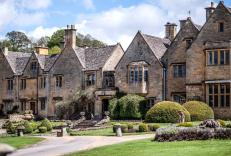





Nearby places to stay
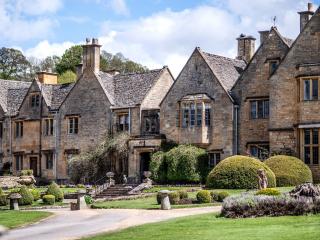
Buckland Manor
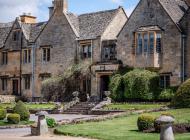
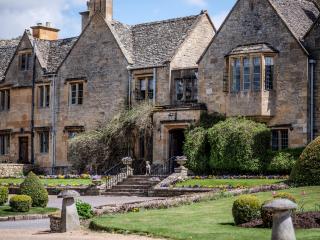
Buckland Manor is a grand 13th-century manor house, surrounded by well-kept and beautiful gardens that feature a stream and waterfall. Everything at this hotel is geared to encourage re...
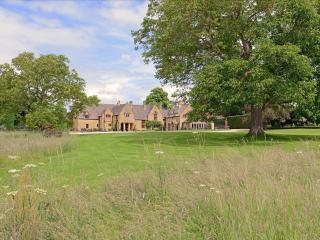
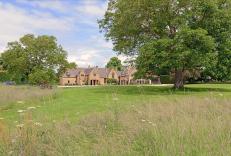
Abbots Grange Manor House Hotel
A warm welcome awaits at Abbots Grange, a 14th-century monastic manor house believed to be the oldest dwelling in Broadway. A Grade II listed building, it stands in eight acres of groun...
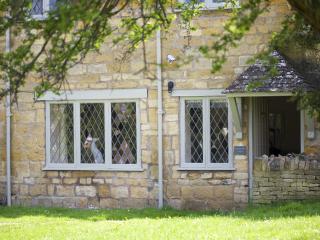
Broadway Cottages
Bumble Bee Cottage is a one-bedroom Cotswold cottage centrally located in the village, with a cosy, contemporary feel and private garden. On the first floor, there's a super-king-size b...
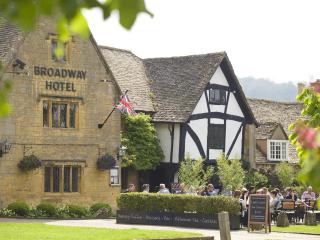
The Broadway Hotel
The Broadway Hotel is a half-timbered Cotswold-stone property, built in the 15th century as a retreat for the Abbots of Pershore. It combines modern, attractive decor with original char...
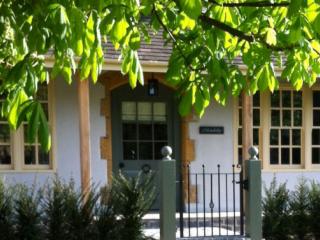
Broadway Cottages- Manderley
Manderley is a Cotswold cottage, in a prime location on Broadway’s village green. Bedroom 1 has a king-sized bed with a luxurious shower room, while bedroom 2, with king-size or twin be...
Manderley House
Manderley is a Cotswold cottage, in a prime location on Broadway’s village green. Bedroom 1 has a king-sized bed with a luxurious shower room, while bedroom 2, with king-size or twin be...
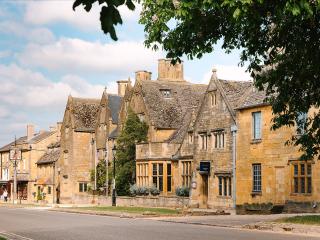
The Lygon Arms Hotel
Located in the heart of Broadway, this historic property has been welcoming guests for over 600 years. The Lygon Arms now offers an array of deeply comfortable lounges and small intimat...
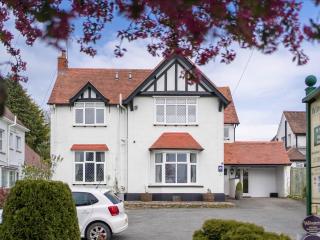
Windrush House
Peaceful village location ideal for exploring the Cotswolds...
Places to eat nearby View all