Minster Lovell and Little Minster
Recommended by

Our view
"A gentle stroll through meadows and woods beside the Windrush."
Walk directions
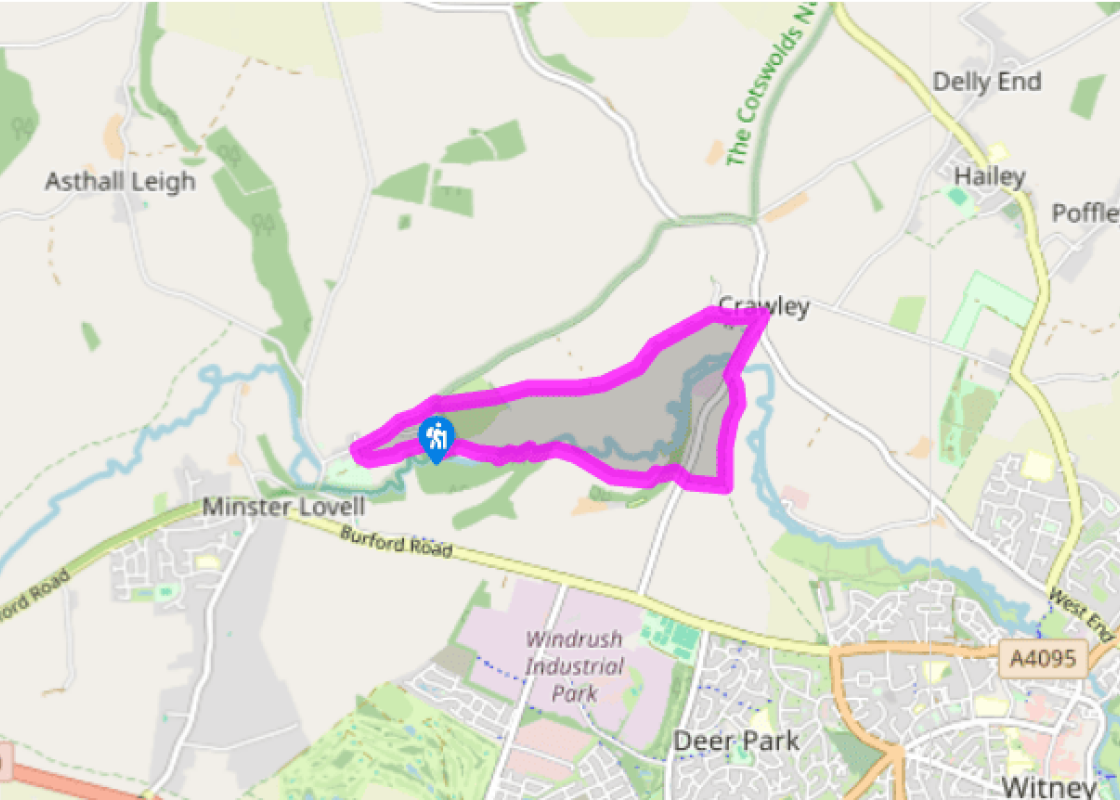
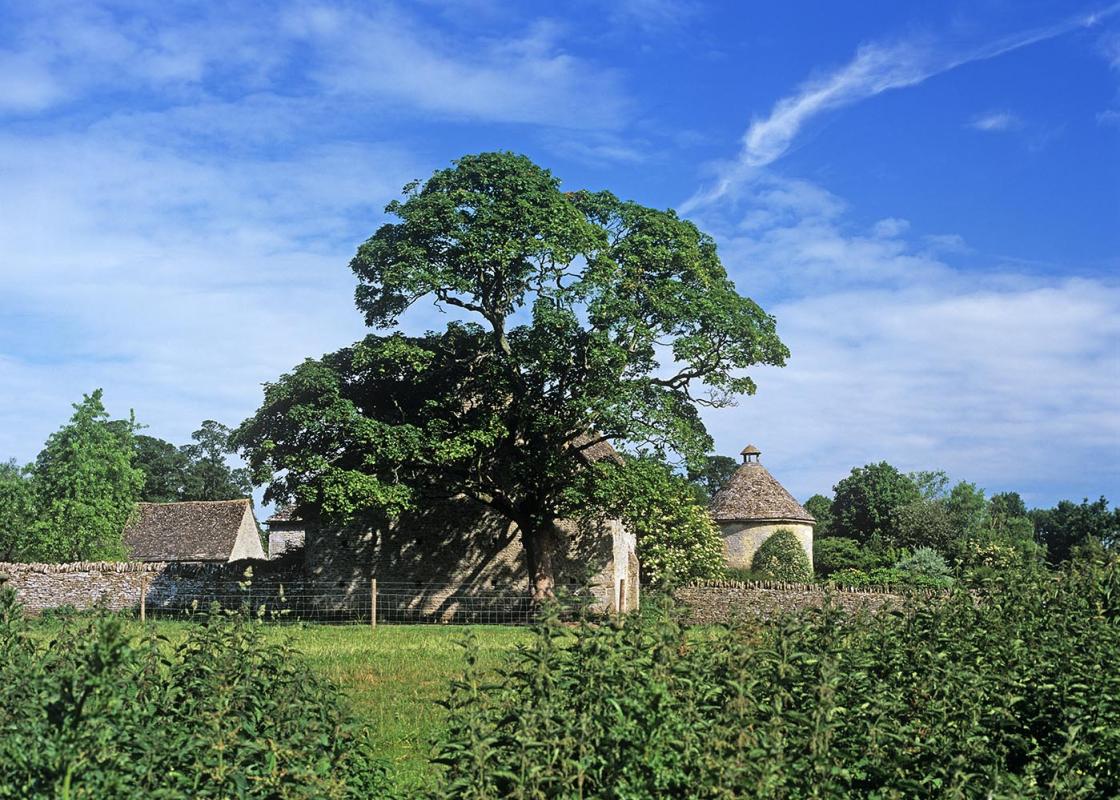
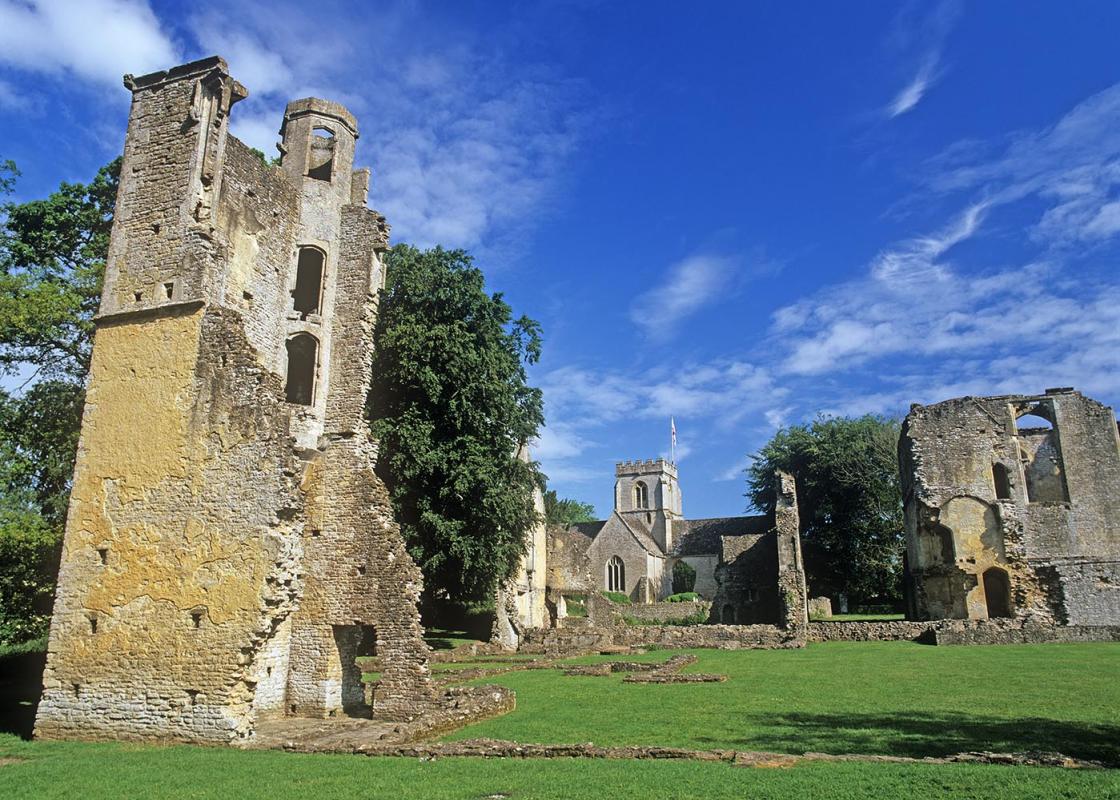
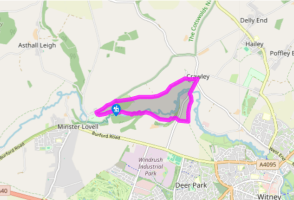
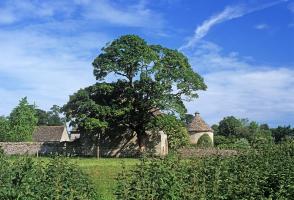
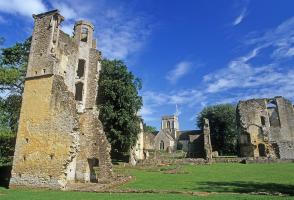
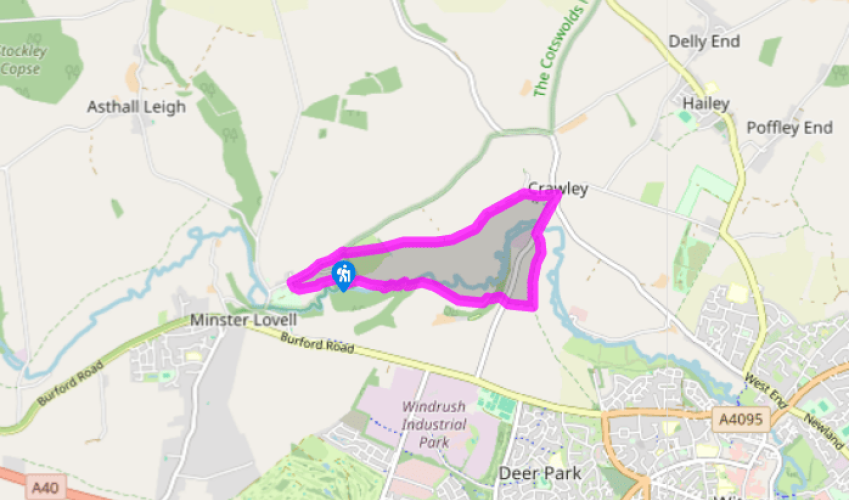
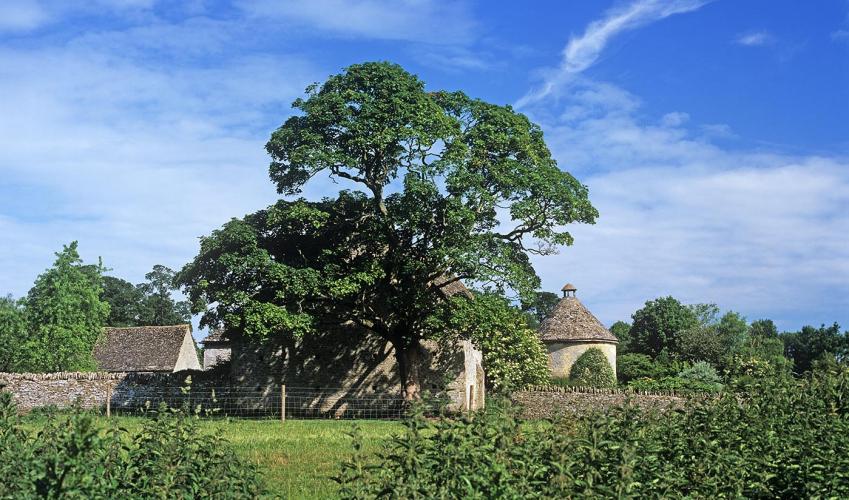
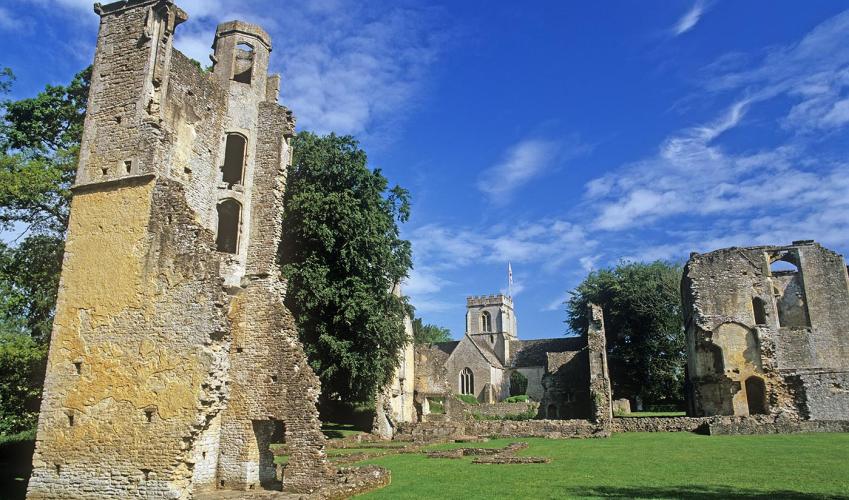
Walk up the lane, signposted ‘Crawley’. At the end of the village go through a gate, right, and take the footpath diagonally left across the field, also signposted ‘Crawley’. Look right for a view of the ruins of Minster Lovell Hall and the circular dovecote. Go through a kissing gate next to a field gate and continue straight on along the path, with a stone wall to your left. The mill chimney ahead on the horizon belongs to Crawley Mill.
Go through a gate and ahead up a slight incline. Cross a stile and continue on the path, walking up a green tunnel of a lane. Pass above Crawley Mill. At the road turn right and follow this down into Crawley. At the bottom look left to admire the diminutive village green with its stone cross.
View all directions
Additional information
Terrain
- Meadows, tracks, pavement and lane, woodland, several stiles
Landscape
- Shallow, fertile valley of River Windrush
Dog friendliness
- Lead essential on road through Crawley and Minster Lovell
Parking
- Car park at eastern end of Minster Lovell village, at start of lane leading to the church
Toilets en route
- None on route
About the walk
Crawley’s industrial heart is announced by its tall mill chimney, which dominates the shallow, verdant valley to the north of Witney. By comparison, a mile or two to the west, old Minster Lovell is the essence of an idealised Cotswold village. Its little houses of grey-brown stone straggle up a...
Read more

Been on this walk?
Send us photos or a comment about this route. Or recommend a route of your own.

Walking in Safety
Read our tips to look after yourself and the environment when following this walk.
Get an AA guide
Explore our range of ‘50 Walks in’ guides - they’re the ideal companion for a ramble.
Been on this walk?
Send us photos or a comment about this route. Or recommend a route of your own.
Walking in Safety
Read our tips to look after yourself and the environment when following this walk.
Get an AA guide
Explore our range of ‘50 Walks in’ guides - they’re the ideal companion for a ramble.
About the area
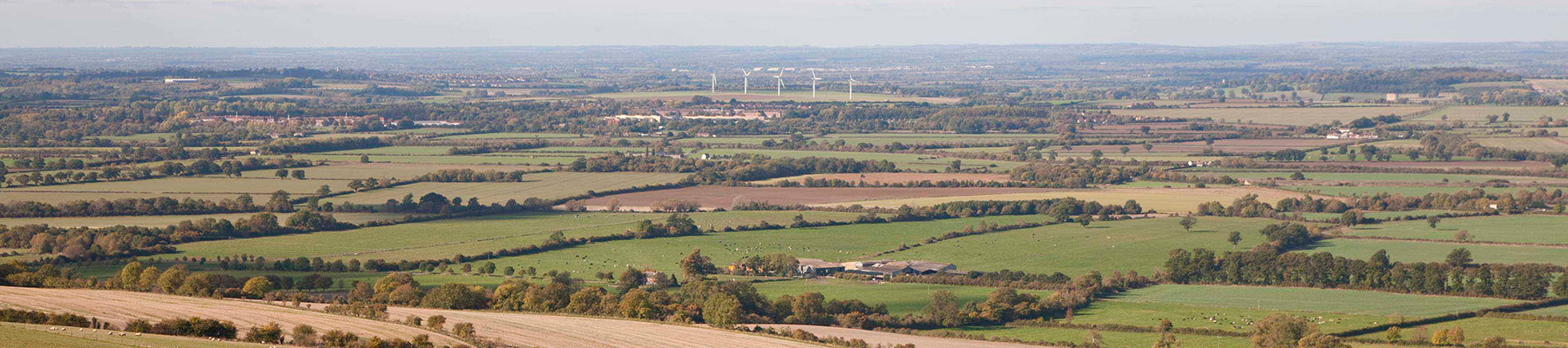
Located at the heart of England, Oxfordshire enjoys a rich heritage and varied scenery, with Oxford’s elegant streets a highlight for visitors. The landscape encompasses open chalk downland, picturesque rivers and attractive villages, while northwest of Oxfordshire is home to the sleepy backwaters of Abingdon, Wallingford, Wantage, Watlington and Witney that reveal how Oxfordshire’s old towns evolved over the centuries.
Nearby places to stay
View all (8)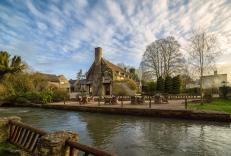


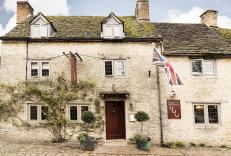


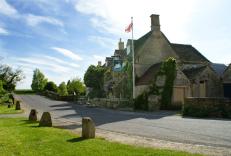
Nearby places to stay
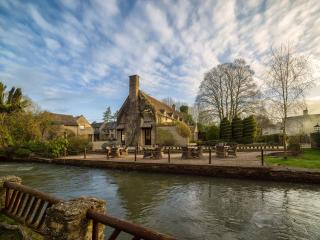
Old Swan & Minster Mill
Dating from 15th century, the historic features and modern day comforts have been carefully blended to ensure high levels of quality. The bedrooms and bathrooms vary in size, style and ...
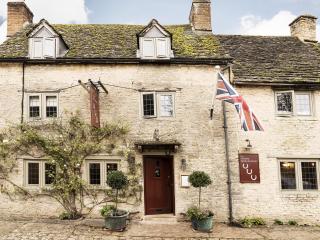
The Three Horseshoes
The Three Horseshoes is a 17th-century hostelry that's retained its country charm, albeit with some modern enhancement, and is located just a few miles outside Burford, known as 'The ga...
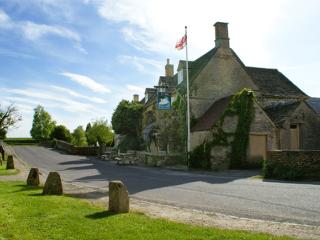
The Swan Inn
The idyllic location and award-winning food are only two of the reasons why The Swan is a ideal for a comfortable business visit or a relaxed weekend. The bar offers real ales, local la...
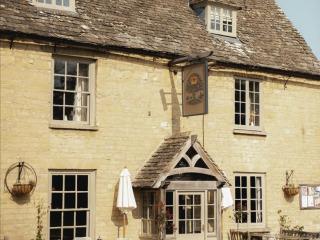
The Royal Oak
At the centre of a tranquil Cotswolds village, The Royal Oak offers five comfy and individually styled rooms. The charming 17th-century inn has heaps of cosy traditional character in th...
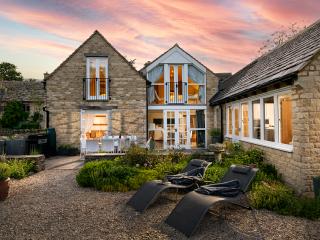
The Chestnuts - Eco Chic Cottages
The Chestnuts sits in the Cotswold village of Shilton, close to historic Burford and Lechlade-on-Thames; an ideal base for exploring all the highlights of the Cotswolds, Oxford, Stratfo...
The Chestnuts
The Chestnuts sits in the Cotswold village of Shilton, close to historic Burford and Lechlade-on-Thames; an ideal base for exploring all the highlights of the Cotswolds, Oxford, Stratfo...
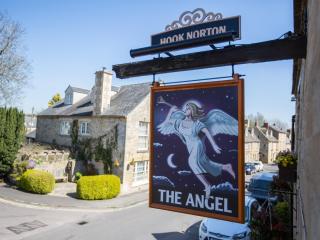
The Angel at Burford
Just off the high street in the picturesque market town of Burford, The Angel is a 16th-century coaching inn with beamed ceilings and open fires. Guests can dine well in the restaurant,...
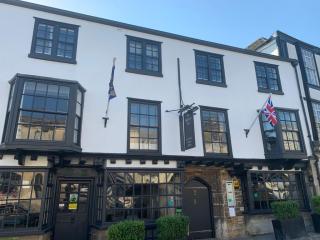
The Highway Inn
Built in 1480, The Highway Inn has had many guises over the years and first welcomed overnight travellers in the early 1920s. Following a refurbishment, it now provides guests with mode...
Places to eat nearby View all