Around Bradfield
Walk directions
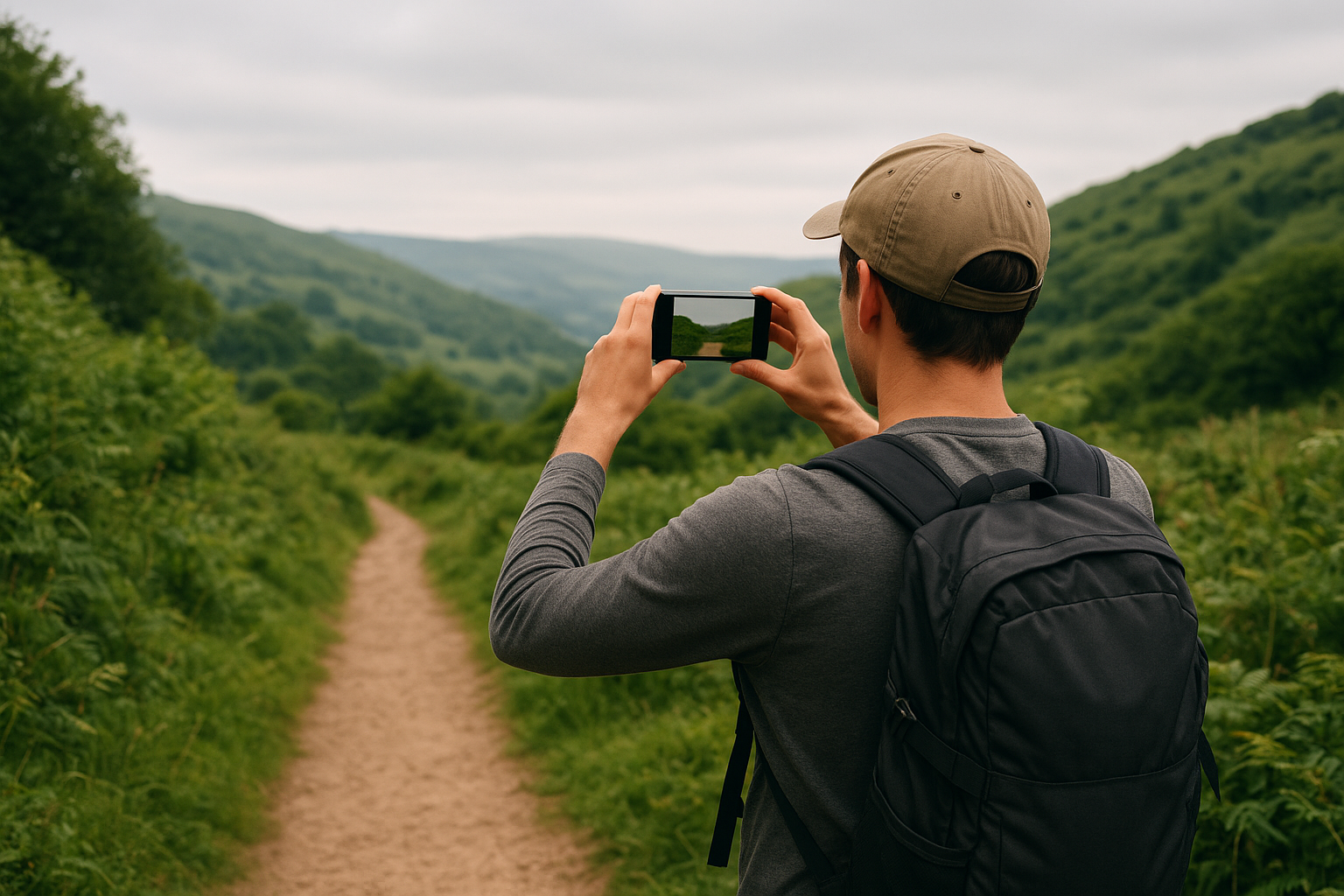
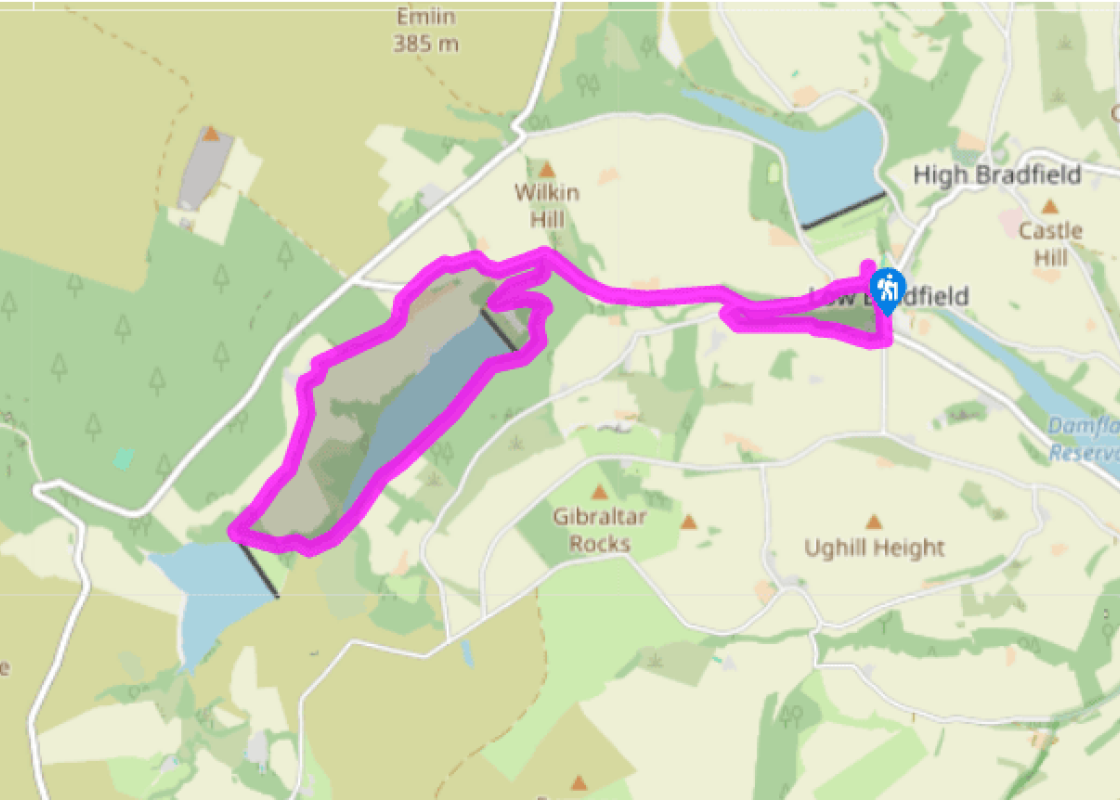
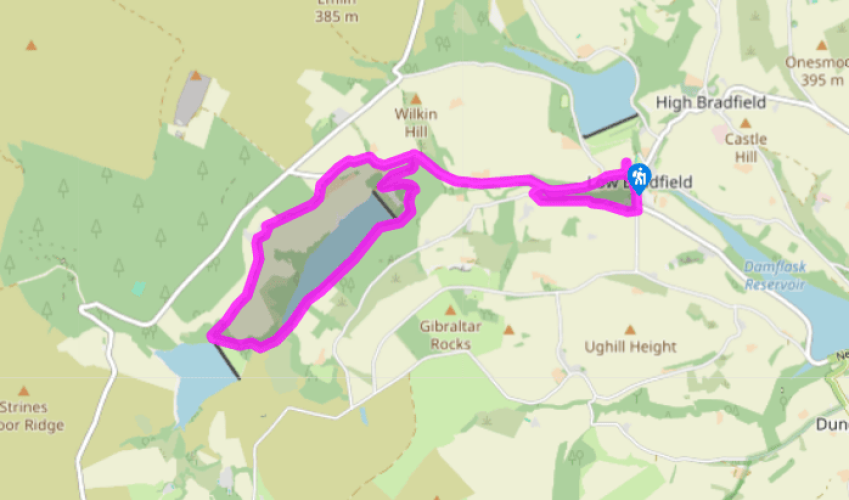
Exit the car park and turn right on to the road. At the second junction go right, signed ‘Strines and Derwent Valley’. Follow this road uphill, passing, on the right, a former inn, Walker House farm and Upper Thornseat. When the road turns right, with Thompson House below, turn left on to an overgrown track, signposted ‘public bridleway’.
From here go through a gate in front of you and on to Hall Lane. Follow this along the edge of a wood then through another gate and continue ahead on the farm road. Another gate at the end of this road leads to the entrance to Hallfield.
The right of way goes through the grounds of Hallfield, but an alternative permissive path leads left through a gate, round the perimeter of the house and through another gate to rejoin the bridleway at the back of the house. Follow the bridleway through a gate and then past Stubbing Farm.
The next gate leads to Brogging Farm and the dam at the head of Strines Reservoir. Look out for a path near the end of the farmhouse and turn left before reaching the dam. Go slightly downhill, through a gate, following the path before crossing through another gate to follow the path in the woods.
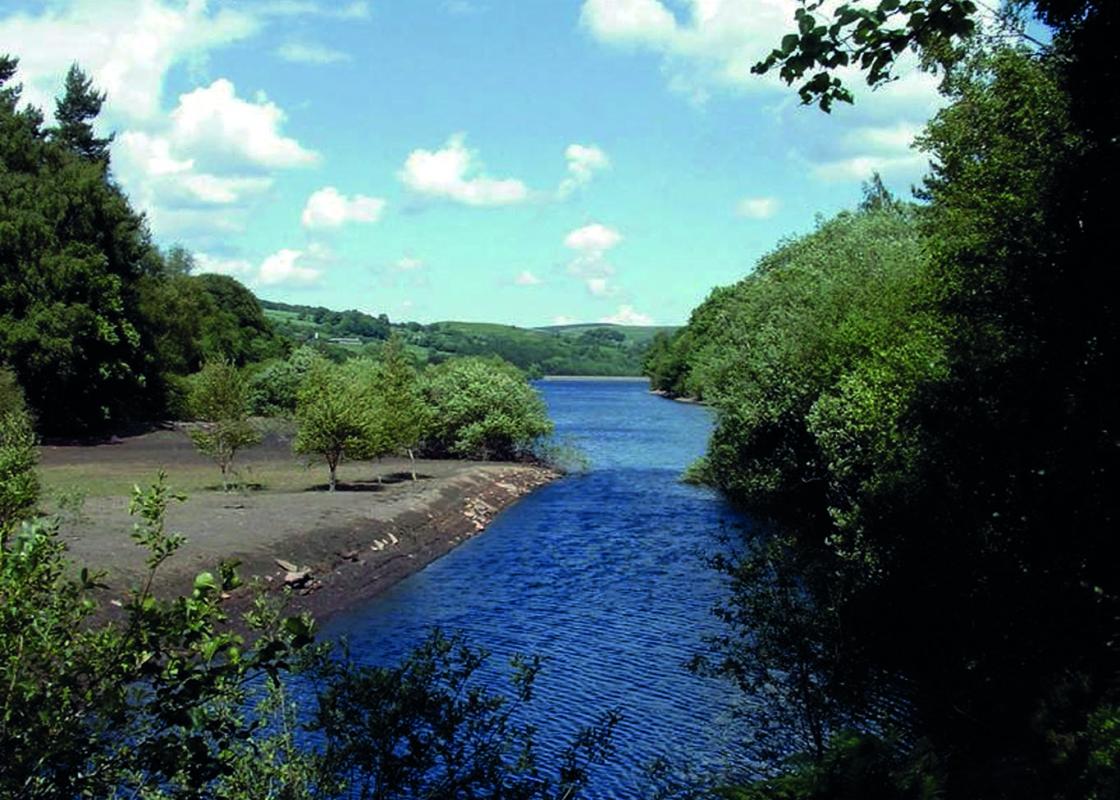
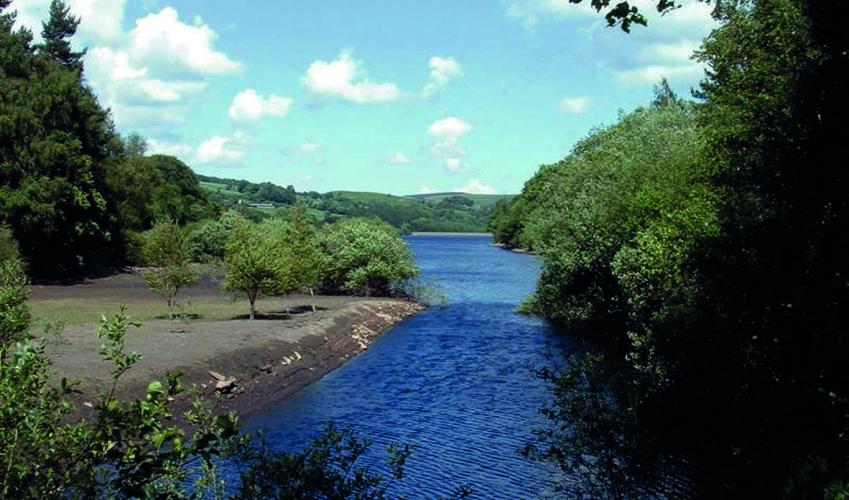
Cross the stream by a footbridge, go right at a junction immediately afterwards and straight on at the next, keeping left with the stream on your left. Follow the path straight ahead along the bank of Dale Dike Reservoir to the dam head. From here continue through the woods, down several sets of steps, and continue on the path looking out for the memorial on your right, near the road, to those who were killed in 1864.
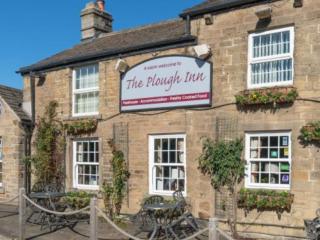
Follow the path until it reaches the road. Cross through a gate and turn right on to the road, proceeding to the road junction. Turn right on to Blindside Lane, cross the bridge then look for a public footpath sign just before the entrance to Doe House. Cross the stile on the left and follow the path all the way to its end on Mill Lee Road, opposite The Plough. Turn left and follow this road downhill, through the village and back to the car park.
Additional information
Terrain
- Minor roads, bridleways and forest paths, few stiles
Landscape
- Woodland, reservoir and meadows
Dog friendliness
- Keep on lead near livestock
Parking
- The Sands car park next to cricket ground
Toilets en route
- Across the river from car park behind village hall
About the walk
The Bradfield Scheme During the Industrial Revolution Sheffield expanded rapidly, as country people sought employment in the city’s steel and cutlery works. This put considerable pressure on the water supply. The ‘Bradfield Scheme’ was Sheffield Waterworks Company’s ambitious proposal to build... massive reservoirs in the hills around the village of Bradfield, about 8 miles (12.9km) from the city. Work commenced on the first of these, the Dale Dike Dam, on 1 January 1859. It was a giant by the standards of the time with a capacity of over 700 million gallons (3,182 million litres) of water, but some 200 million gallons (910 million litres) less than the present reservoir. The disaster of 1864 Construction of the dam continued until late February 1864, by which time the reservoir was almost full. Friday 11 March was a stormy day and as one of the dam workers crossed the earthen embankment on his way home, he noticed a crack, about a finger’s width, running along it. John Gunson, the chief engineer, turned out with one of the contractors to inspect the dam. They had to make the 8 miles (12.9km) from Sheffield in a horse-drawn gig, in deteriorating weather conditions, so it was 10pm before they got there. After an initial inspection, Gunson concluded that it was probably nothing to worry about. However, as a precaution he decided to lower the water level. He re-inspected the crack at 11.30pm, noting that it had not visibly deteriorated. Then the engineer saw to his horror that water was running over the top of the embankment into the crack. He was making his way to the bottom of the embankment when he felt the ground beneath him begin to shake and saw the top of the dam breached by the straining waters. He just had time to scramble up the side before a large section of the dam collapsed, unleashing a wall of water totalling 650 million gallons (2,955 million litres) down into the valley towards Sheffield. The torrent destroyed everything in its path, and though the waters started to subside within half an hour, their destructive force swept aside 415 houses, 106 factories or shops, 20 bridges and countless cottage and market gardens for 8 miles (12.9km). Few were spared and more than 250 people tragically died. At the inquest the jury concluded that there had been insufficient engineering skill devoted to a work of such size and called for new standards to be met when constructing large-scale structures. The Dale Dike Dam was rebuilt in 1875, but it was not brought into full use until 1887.
Read more
Been on this walk?
Send us photos or a comment about this route. Or recommend a route of your own.
Walking in Safety
Read our tips to look after yourself and the environment when following this walk.
Get an AA guide
Explore our range of ‘50 Walks in’ guides - they’re the ideal companion for a ramble.
Been on this walk?
Send us photos or a comment about this route. Or recommend a route of your own.
Walking in Safety
Read our tips to look after yourself and the environment when following this walk.
Get an AA guide
Explore our range of ‘50 Walks in’ guides - they’re the ideal companion for a ramble.
About the area
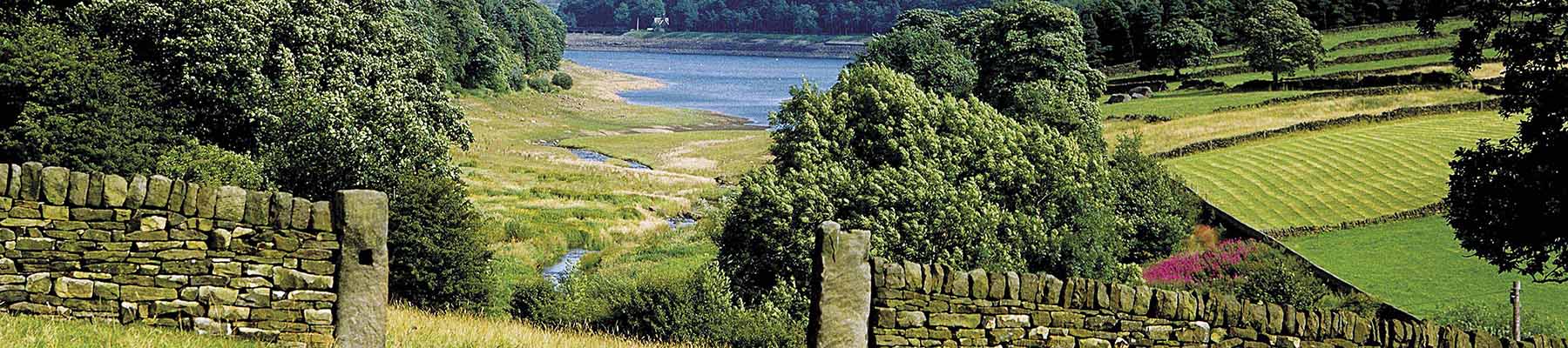
Traditionally a steel and coal producing centre, the decline of both industries in South Yorkshire has been replaced to some extent by tourism based around the area’s beautiful Pennine countryside. The county claims part of the Peak District National Park, whose hills and dales provide welcome space for the large urban populations.
Nearby places to stay
View all (8)
Room Only
Padley Farm
★★★★
"Peaceful accommodation in great position for Sheffield and Peak District...."
- Rooms 6
- Free TV
- Wifi
- Open parking
Bed & Breakfast
Wortley Cottage Guest House
★★★
"Comfortable and friendly bed and breakfast in South Yorkshire village...."
- Rooms 3
- Free TV
- Wifi
Nearby places to stay
Padley Farm
Padley Farm is in the quiet village of Dungworth, just on the border of the Peak District, surrounded by panoramic views and great countryside walks yet only a 20 minute drive from Shef...
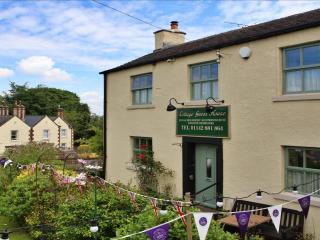
★★★★ Rating
Wortley Cottage Guest House
Located not far from Sheffield, Wortley Cottage is a small, homely bed and breakfast with high standards of cleanliness and very hospitable hosts who also own the adjoining village Post...
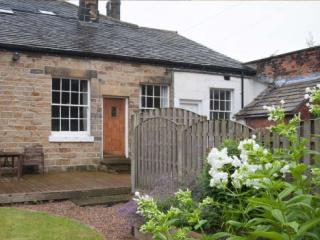
★★★ Rating
Wortley Hall
Self-catering guests in Gardeners, Garvins and Swift cottages may also, if they wish, dine and drink in the grand surroundings of Wortley Hall itself. In 26 acres of grounds, the ‘worke...

★★★★ Rating
Brocco on the Park
Brocco on the Park is a charming restaurant with rooms located near Sheffield's city centre. The eight bedrooms have all been decorated with simplicity and comfort in mind; expect a cos...
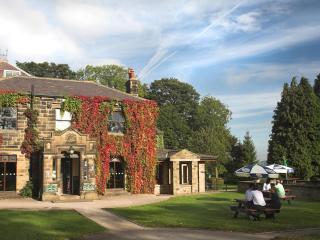
★★★★★ Rating
Cubley Hall
Cubley Hall has always been a place that gathers people together, by hosting weddings, parties, get-togethers, business events and meetings. It’s also a great base for exploring the stu...
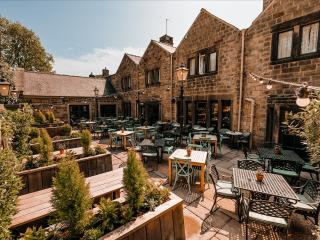
★★★ Rating
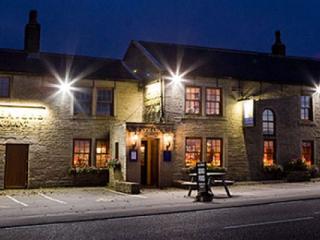
The George in Hathersage
Nestled in the heart of the picturesque Peak District, The George Hathersage is a historic 500-year-old coaching inn, once frequented by Charlotte Brontë. The inn features 24 beautifull...
★★★★ Rating
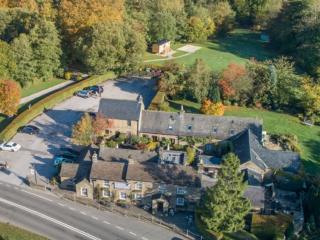
Dog & Partridge
The Dog & Partridge, a comfortable family-run inn, is located within the Peak District National Park. Bedrooms are situated in the 18th-century barn adjoining the inn; all rooms are com...
★★★★ Rating
The Plough Inn
This delightful 16th-century inn with a newly revamped beer garden, which includes a "Horsebox Bar" has an idyllic location by the River Derwent. A selection of real ales and award-winn...
★★★★ Rating
Places to eat nearby View all