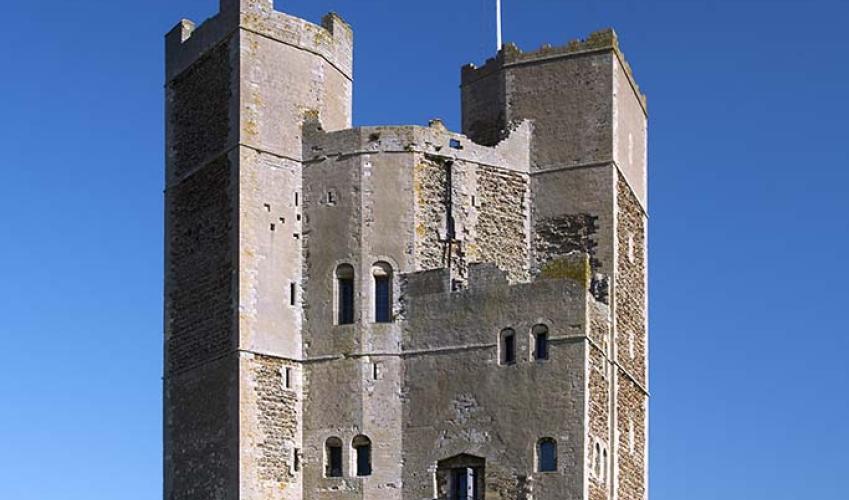
Bombs and bunkers at Orford Ness

Recommended by
Our view
"An odd clash of human and natural landscapes on Europe's largest shingle spit."
Walk directions

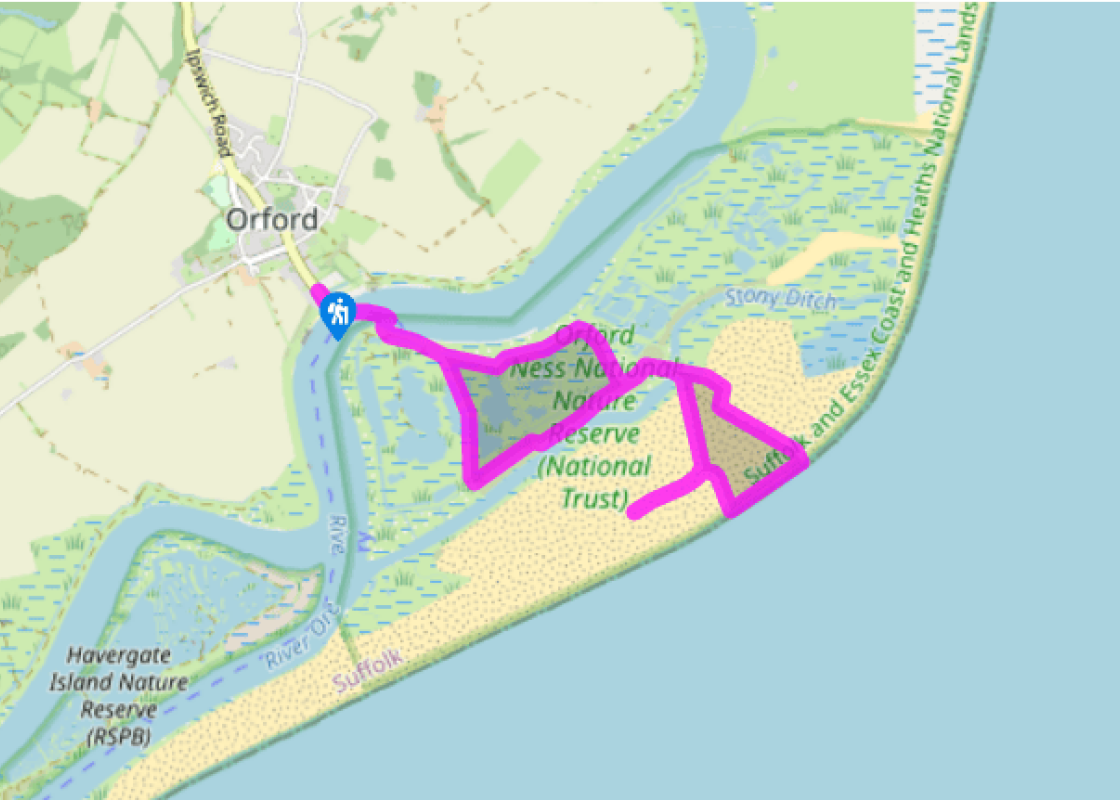
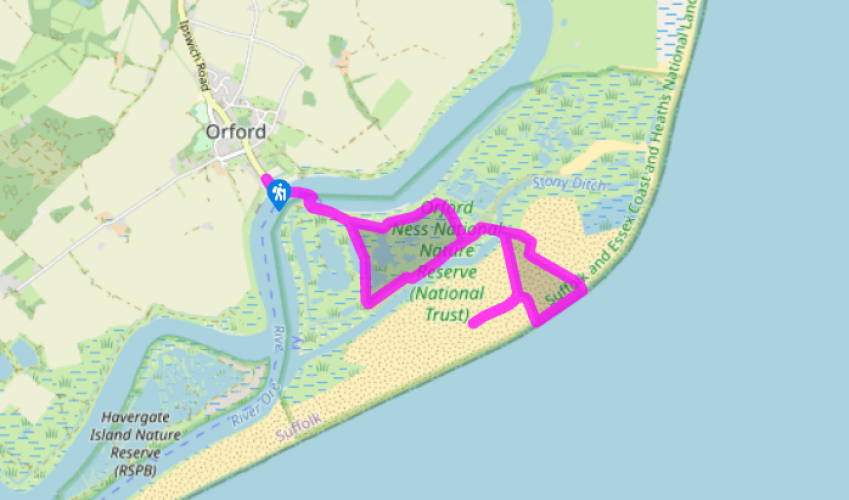
Arriving on Orford Ness, follow the red trail, which is waymarked with red arrows painted on to the road surface. It is essential to stick to the authorised route, not only to avoid disturbing wildlife, but also to keep out of the way of unexploded ordnance, which remains a potential danger. The trail begins by the wall of the River Ore, looking out over marshes where cattle graze on the site of a World War I airfield. In late summer, once the birds have finished nesting, you can continue along the river on the green trail through an area of marshes and lagoons. The main trail turns away from the river at this point and heads for an information building in the former telephone exchange. Look inside at the displays on the history of Orford Ness and the large aerial photograph of the shingle spit.

Follow the trail along the High Street and bear right over a Bailey bridge to cross Stony Ditch, with salt marsh to either side. Fork right here to head for the Black Beacon, a marine navigation beacon dating from 1928. The upper floors provide displays on birdlife and there is an elevated viewing area. The road to the right leads to the laboratories where Britain's early atomic weapons were tested, although it is claimed that no nuclear material was involved. 

View all directions
Location
Additional information
  Terrain  - Paved roads and shingle
  Landscape  - Shingle, marshes and abandoned military buildings
  Dog friendliness  - Dogs not allowed
  Parking  - Orford Quay pay-and-display car park
  Toilets en route  - At car park and on Orford Ness
About the walk
Of all the walks in this book, none can match the eerie appeal of this walk on Orford Ness. This is a hostile and lonely place, a shingle spit 10 miles (16.1km) long – a full 15 per cent of the entire globe’s ridged shingle can be found here – and growing at the rate of more than 15yds (14m) a...
Read more
Been on this walk placeholder

Been on this walk?

Send us photos or a comment about this route. Or recommend a route of your own.

Walking in Safety placeholder

Walking in Safety

Read our tips to look after yourself and the environment when following this walk.

Get an AA guide placeholder

Get an AA guide

Explore our range of ‘50 Walks in’ guides - they’re the ideal companion for a ramble.

About the area
Suffolk is Constable country, where the county’s crumbling, time-ravaged coastline spreads itself under wide skies to convey a wonderful sense of remoteness and solitude. Highly evocative and atmospheric, this is where rivers wind lazily to the sea and notorious 18th-century smugglers hid from the excise men.
Area image

Bombs and bunkers at Orford Ness

Recommended by
Our view
"An odd clash of human and natural landscapes on Europe's largest shingle spit."
Location
Nearest postcode:
Additional information
  Terrain - Paved roads and shingle
  Landscape - Shingle, marshes and abandoned military buildings
  Dog friendliness - Dogs not allowed
  Parking - Orford Quay pay-and-display car park
  Toilets en route - At car park and on Orford Ness
About the walk
Of all the walks in this book, none can match the eerie appeal of this walk on Orford Ness. This is a hostile and lonely place, a shingle spit 10 miles (16.1km) long – a full 15 per cent of the entire globe’s ridged shingle can be found here – and growing at the rate of more than 15yds (14m) a...
Read more
Been on this walk placeholder

Been on this walk?

Send us photos or a comment about this route. Or recommend a route of your own.
Walking in Safety placeholder

Walking in Safety

Read our tips to look after yourself and the environment when following this walk.
Get an AA guide placeholder

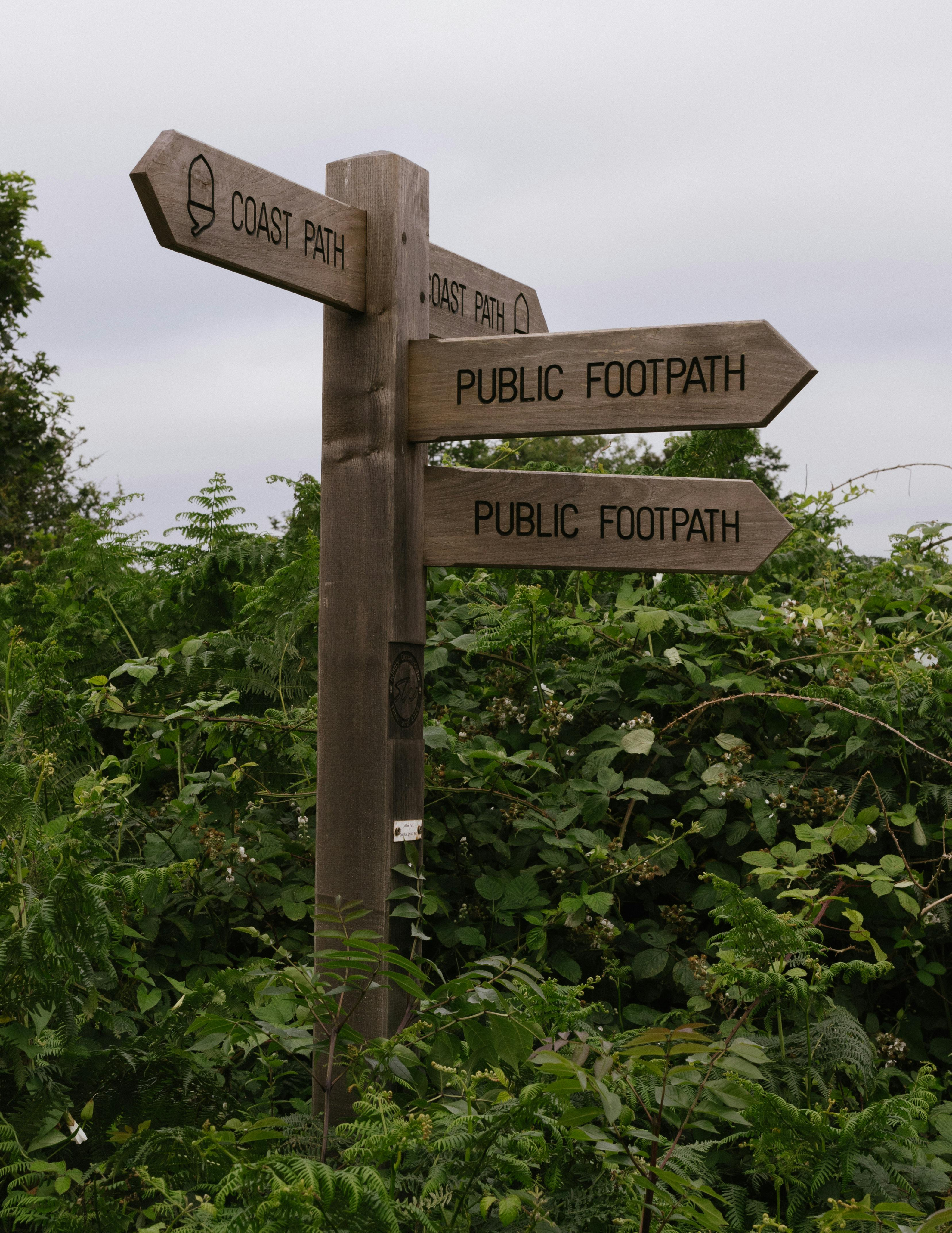
Get an AA guide

Explore our range of ‘50 Walks in’ guides - they’re the ideal companion for a ramble.
About the area
Area image
Suffolk
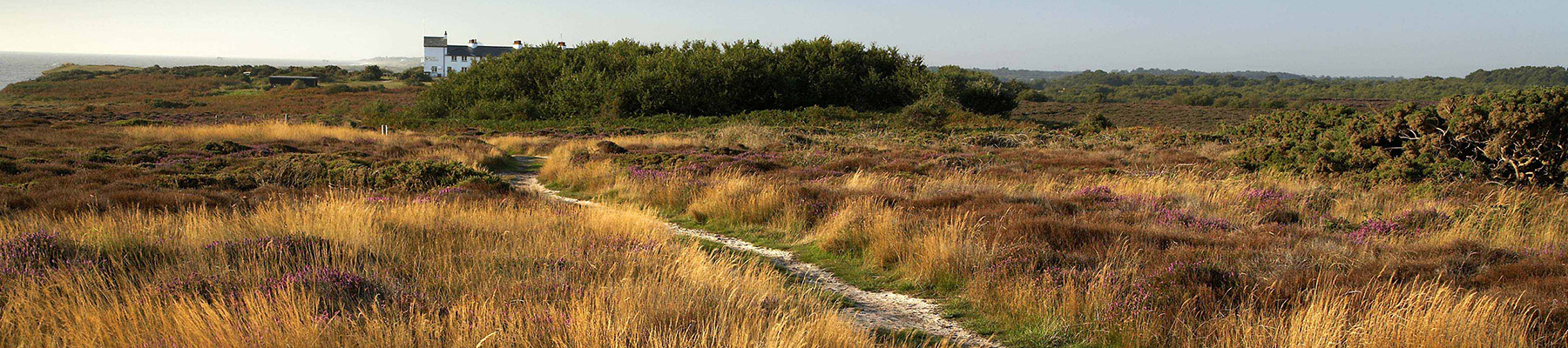
Suffolk is Constable country, where the county’s crumbling, time-ravaged coastline spreads itself under wide skies to convey a wonderful sense of remoteness and solitude. Highly evocative and atmospheric, this is where rivers wind lazily to the sea and notorious 18th-century smugglers hid from the excise men.