Duddon Mosses National Nature Reserve
Recommended by


Overview
Duddon Mosses NNR is one of England’s few remaining peatland habitats, with striking views over the Lakeland fells and the sea. This quiet haven, hidden in the north of the Duddon Estuary, provides a welcome sanctuary for plants, animals and human visitors. The reserve is recognised for its international importance as a raised peatland habitat, supporting some specialist bog flora. The nationally rare and distinctive golden-orange moss Sphagnum pulchrum can be found here, and other uncommon bog species include bog rosemary and cranberry. The bog flora and conditions here also support a wide variety of insects, including the bog bush cricket, a large green insect with distinctive long antennae,which is found very near to its northern limit here. Birds of prey such as buzzard and barn owl make use of the open landscape of the mosses – perfect for hunting for small mammals – and water-loving birds such as waders and pink-footed geese enjoy the tranquillity of the reserve in winter.
About the area
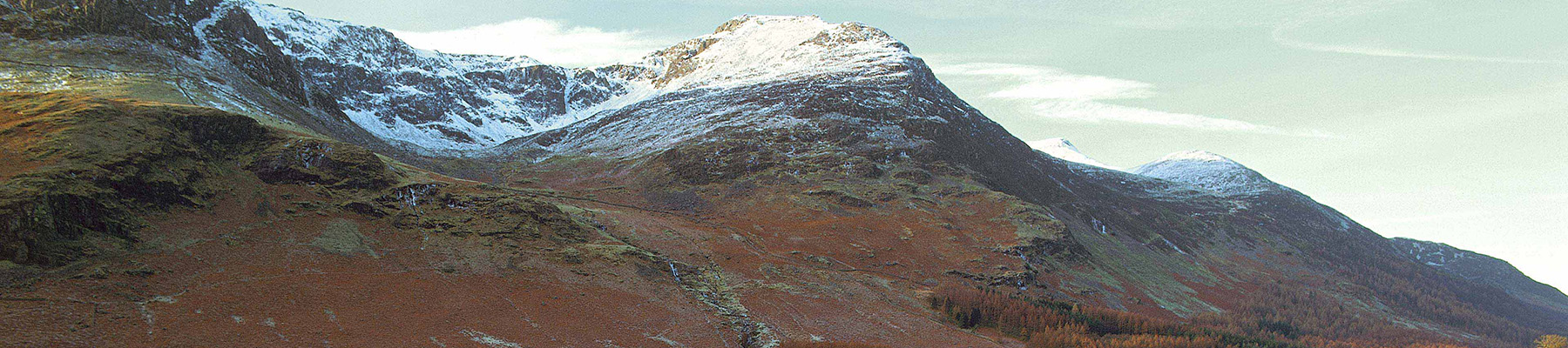
Cumbria's rugged yet beautiful landscape is best known for the Lake District National Park that sits within its boundaries. It’s famous for Lake Windermere, England’s largest lake, and Derwent Water, ‘Queen of the English Lakes', but other lesser-known areas in the south, such as the Lune Valley and the coastal towns, are secret gems of wide cobbled streets and rolling hills.
Places to eat nearby View all



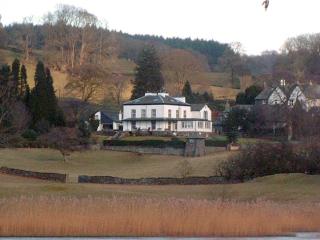
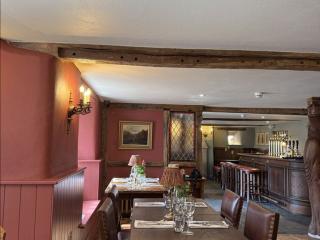
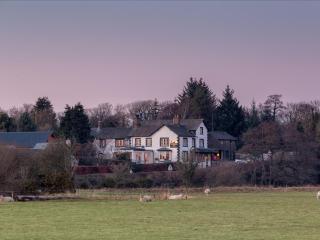
Nearby places to stay
View all (8)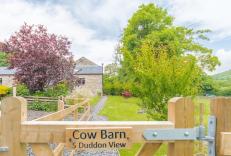

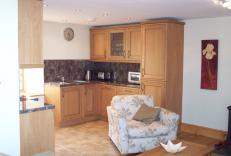


Nearby places to stay
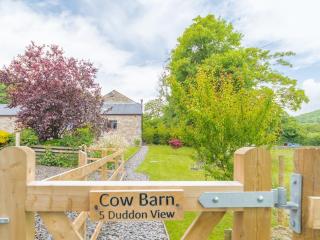
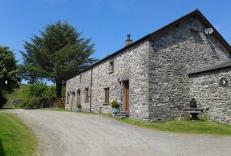
Cow Barn
A bright, airy and stylish interior for up to 5 guests, open views and a lovely dog-friendly garden, make Cow Barn the perfect setting for any family holiday to the Lakes. The cottage ...
Cow Barn
A bright, airy and stylish interior for up to 5 guests, open views and a lovely dog-friendly garden, make Cow Barn the perfect setting for any family holiday to the Lakes. The cottage ...
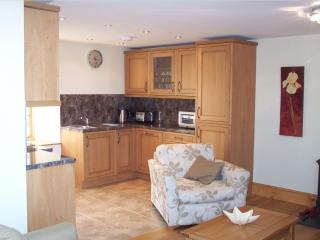
Woodmans Cottage
Awaiting description...
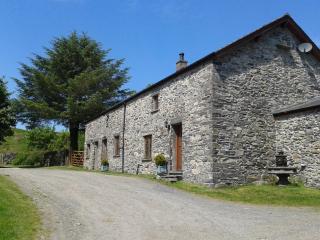
Thornthwaite Farm
Thorthwaite is a traditional Lakeland family-run farm set in the beautiful scenery of the Woodland Valley, known as one of the ‘Three Jewels of Lakeland’ immortalised by William Wordswo...
Stable Cottage
Awaiting description...
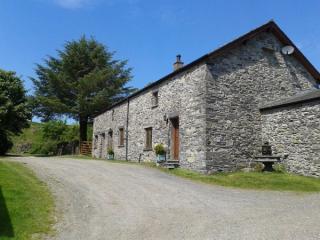
Blacksmiths Cottage
Awaiting description...
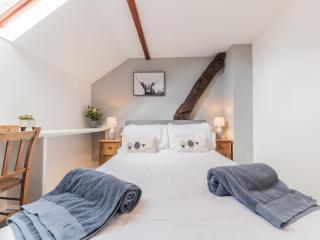
Byre Cottage & Millers Cottage
Just 10 minutes' drive from Coniston village, Byre Cottage & Millers Cottage are two recently refurbished neighbouring cottages on a working Lakeland farm. With a combined total of 6 be...
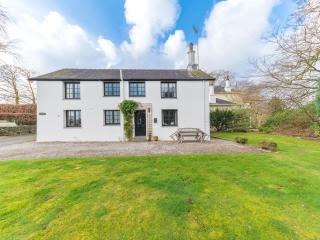
Middlefield Cottage
The comfortable two-bedroom Middlefield Cottage sits in a peaceful spot near the tip of Coniston Water in the hamlet of Blawith, and offers lovely views up the Crake Valley towards the ...