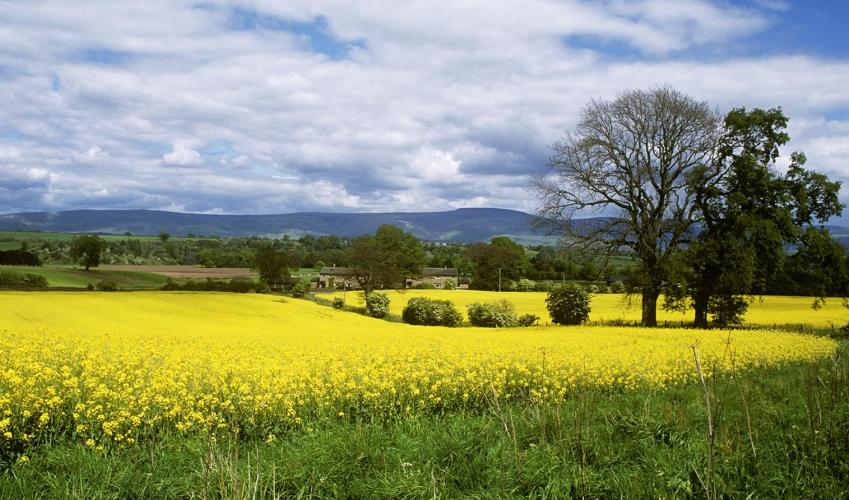
On Penrith Beacon
Recommended by

Our view
"Walk in the footsteps of Jacobites from the rebellions of 1715 and 1745."
Walk directions
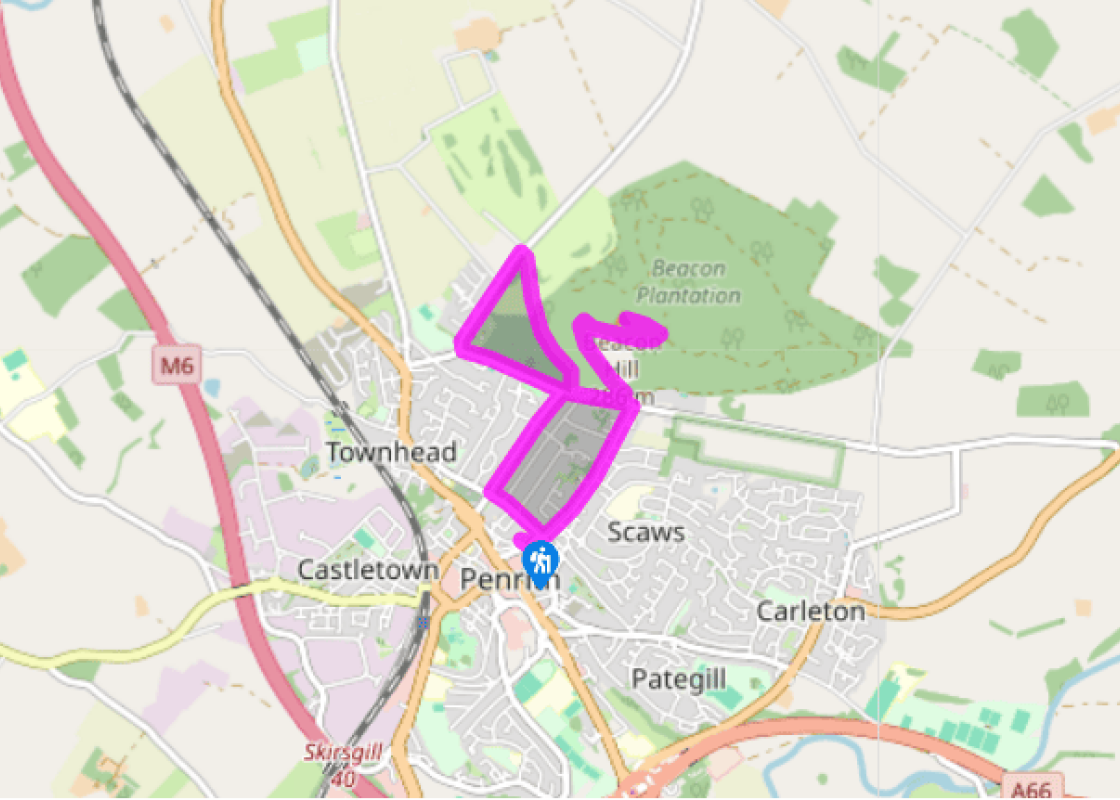
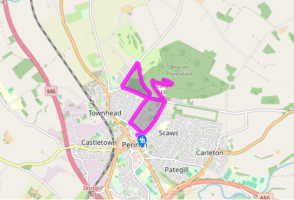
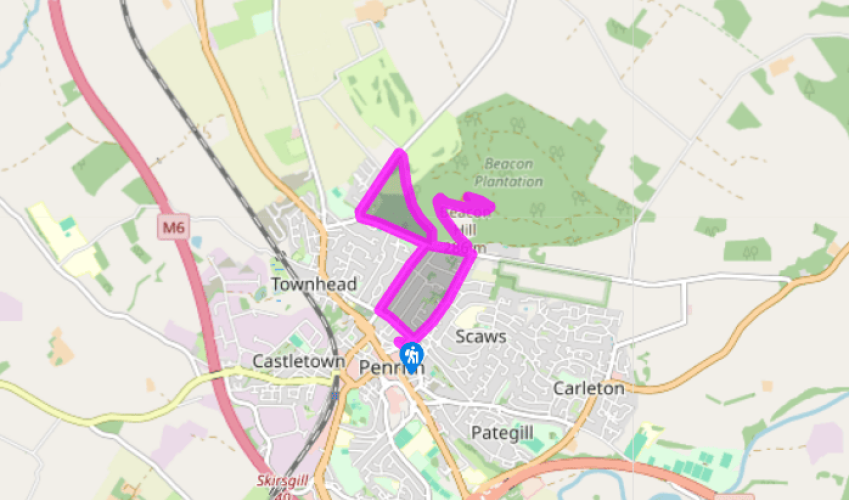
From the bus station car park, exit to Sandgate and turn left. Go right and left at a double mini-roundabout and ascend Fell Lane to Beacon Edge. Go left a short way, then right up a path signed ‘Permitted Footpath Beacon Summit’.
Follow the fenced path up through the trees, soon swinging left. Higher up there’s a short section over exposed sandstone bedrock. Shortly after this the path swings back right. The fence on the left ends, but the one on the right continues, apart from a short break. The main path is never in doubt. The path bends left, levels out, then turns sharp left again, leading to the Beacon tower now visible ahead.
View all directions
Additional information
Terrain
- Good paths and pavements
Landscape
- Town and woodland
Dog friendliness
- Can be off lead on Beacon Hill but not elsewhere
Parking
- Car park at Penrith bus station
Toilets en route
- At bus station
About the walk
Beacons were once a means of communication; great fires lit on prominent hills would warn the surrounding community and watchers on far-off hillsides of approaching danger. In the days before the telegraph this was typically the fastest way of spreading news. Penrith’s Beacon has a direct line of...
Read more
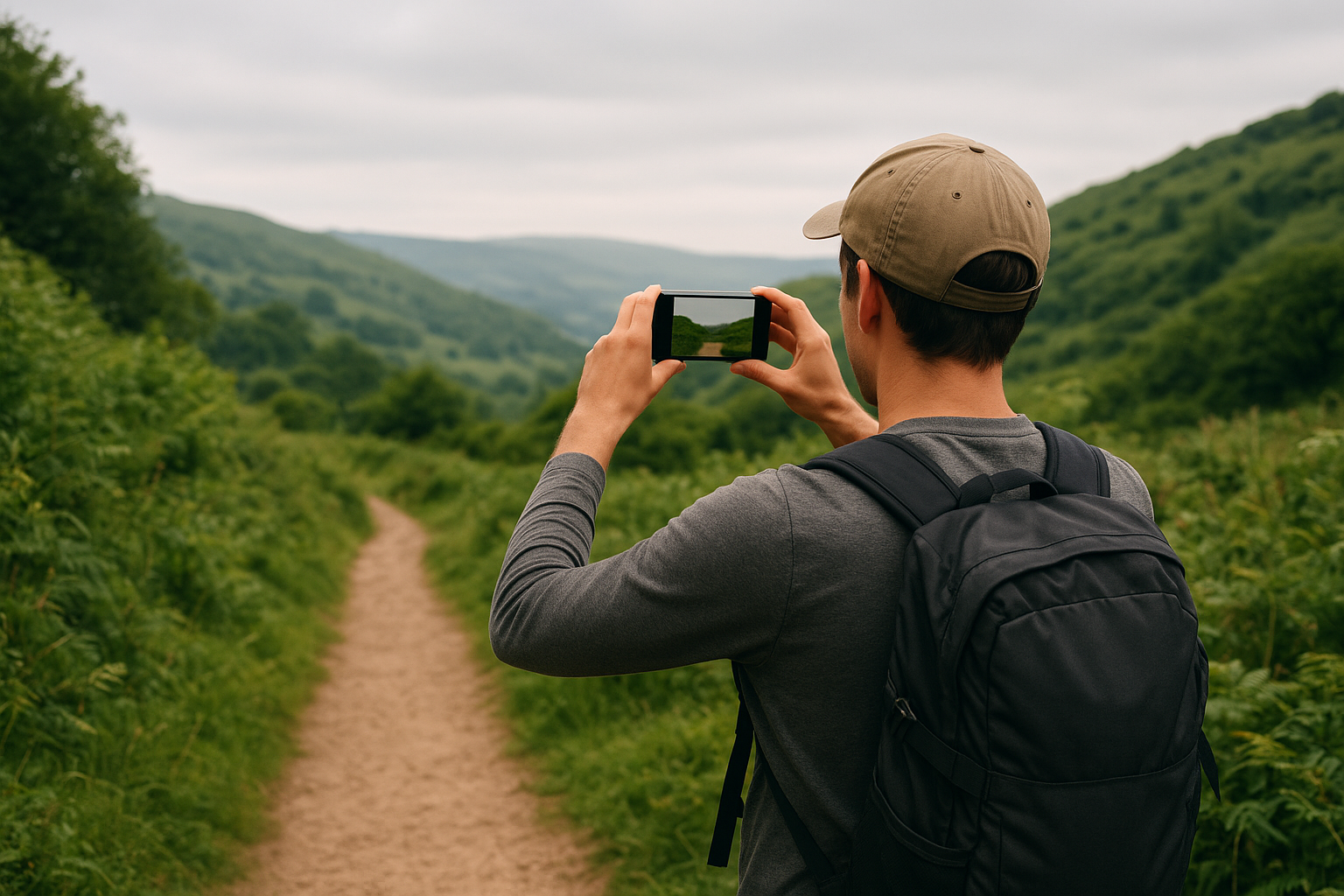
Been on this walk?
Send us photos or a comment about this route. Or recommend a route of your own.

Walking in Safety
Read our tips to look after yourself and the environment when following this walk.
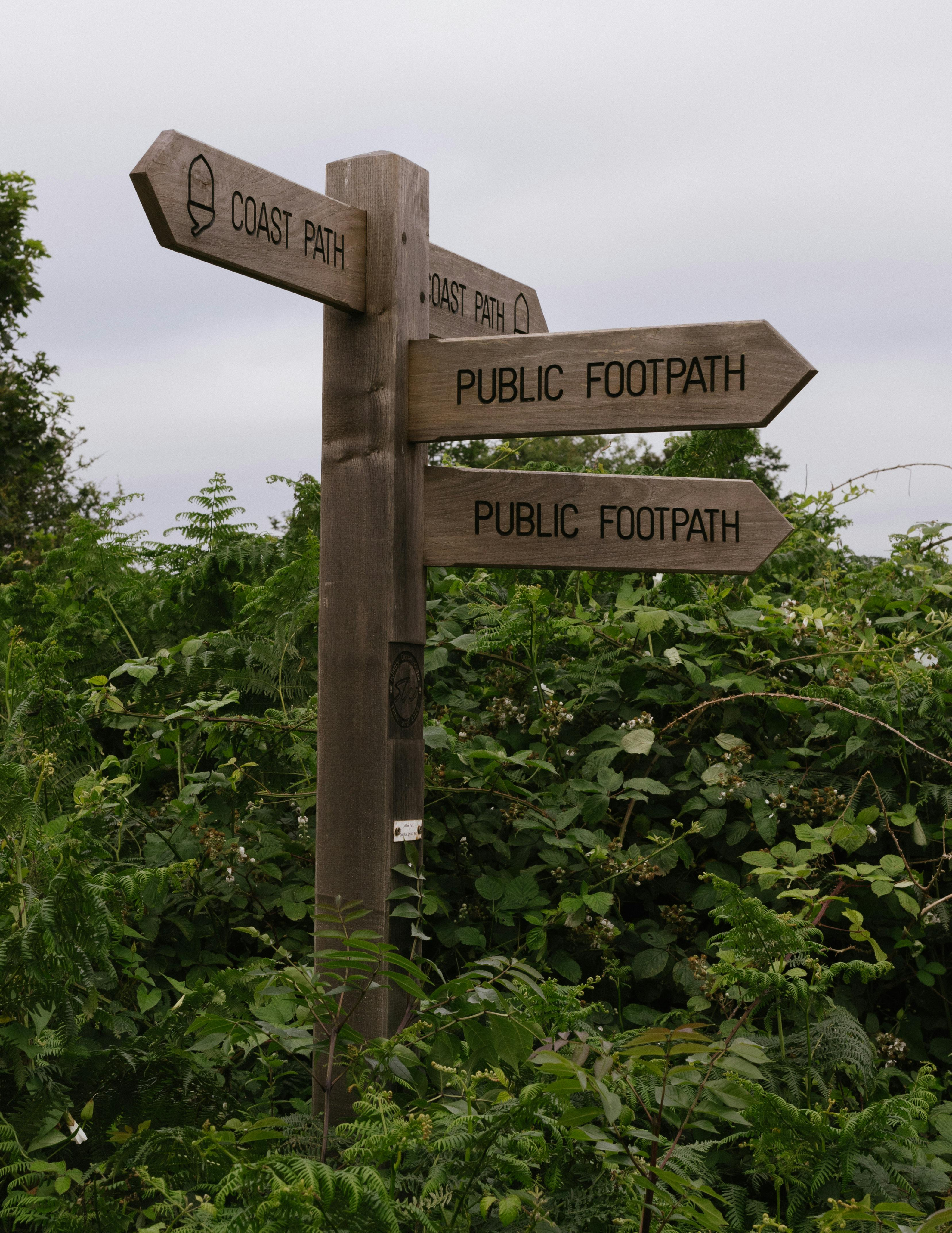
Get an AA guide
Explore our range of ‘50 Walks in’ guides - they’re the ideal companion for a ramble.
Been on this walk?
Send us photos or a comment about this route. Or recommend a route of your own.
Walking in Safety
Read our tips to look after yourself and the environment when following this walk.
Get an AA guide
Explore our range of ‘50 Walks in’ guides - they’re the ideal companion for a ramble.
About the area
Cumbria's rugged yet beautiful landscape is best known for the Lake District National Park that sits within its boundaries. It’s famous for Lake Windermere, England’s largest lake, and Derwent Water, ‘Queen of the English Lakes', but other lesser-known areas in the south, such as the Lune Valley and the coastal towns, are secret gems of wide cobbled streets and rolling hills.
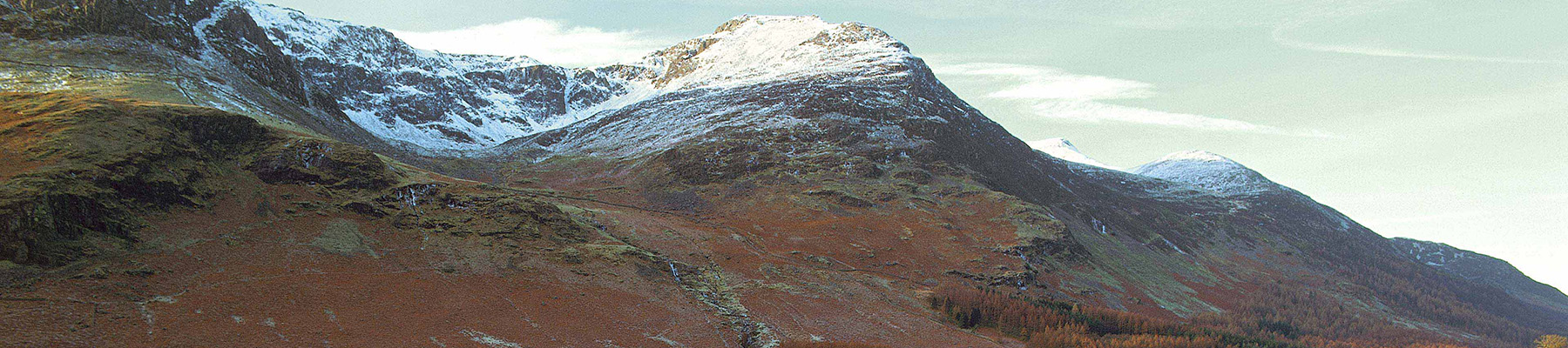
Nearby places to stay
View all (8)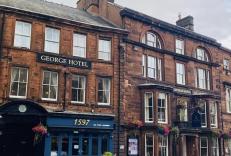







Nearby places to stay
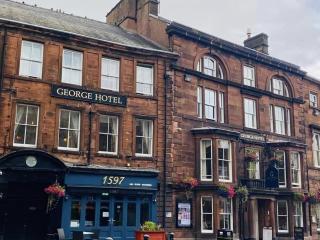
The George Hotel
Centrally located in the heart of Penrith, this inviting hotel offers a warm atmosphere and friendly service. Bedrooms come in a range of sizes and styles, with some contemporary featur...
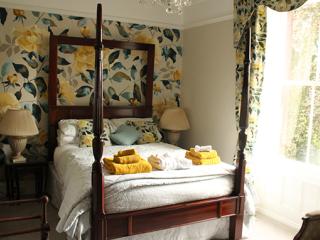
Bank House
A short walk from Penrith centre, Bank House is a lovingly restored Victorian house with heaps of period charm and a delightful half-acre garden. You’ll find plenty of thoughtful extras...
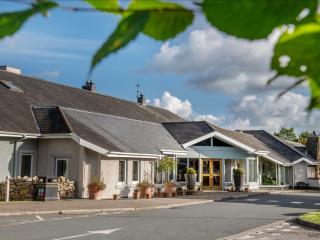
North Lakes Hotel & Spa
With a great location, it's no wonder that the North Lakes Hotel & Spa is perpetually busy. Amenities include a good range of meeting and function rooms and excellent health and leisure...
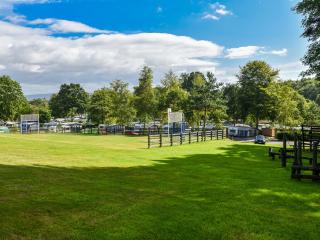
Lowther Holiday Park
A secluded natural woodland site with lovely riverside walks and glorious countryside all around. The park is home to a rare colony of red squirrels, and trout fishing is available on t...
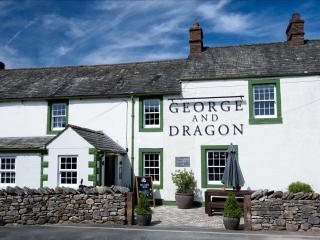
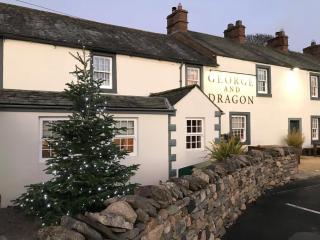
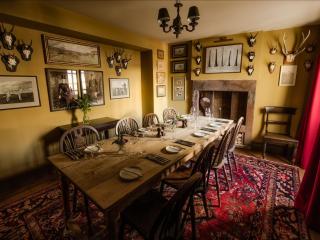
George and Dragon, Clifton
The George and Dragon is an 18th-century coaching inn located just south of Penrith, ideally located for the Lakes and surrounding areas. The restored property reflects its Georgian her...
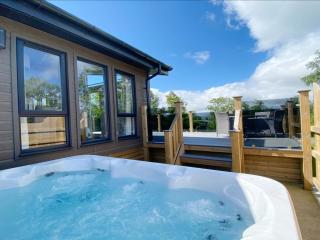
Flusco Wood Holiday Lodges
Flusco Wood Lodge Park’s splendid views of the northern fells are reason alone to stay here. Open all year, and with lodges to buy or rent, this tranquil site is ideal for families, cou...
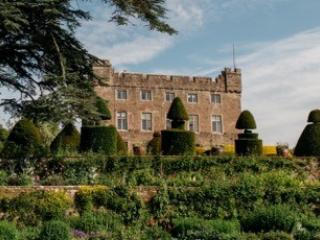
Askham Hall
Askham Hall sits on the edge of the Lake District surrounded by majestic Cumbrian countryside. This Grade I listed building dates back to the 14th century and only the restaurant is a m...
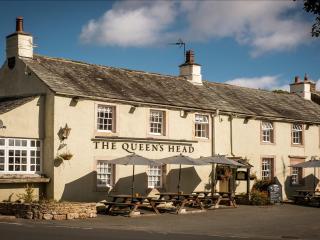
Queen's Head
The Queens head is part of the Askham collection, which includes the eponymous hall and the George and Dragon. The historical estate is impressive and guests can visit Lowther Castle ne...
Places to eat nearby View all