Mow Cop Castle
Recommended by


Overview
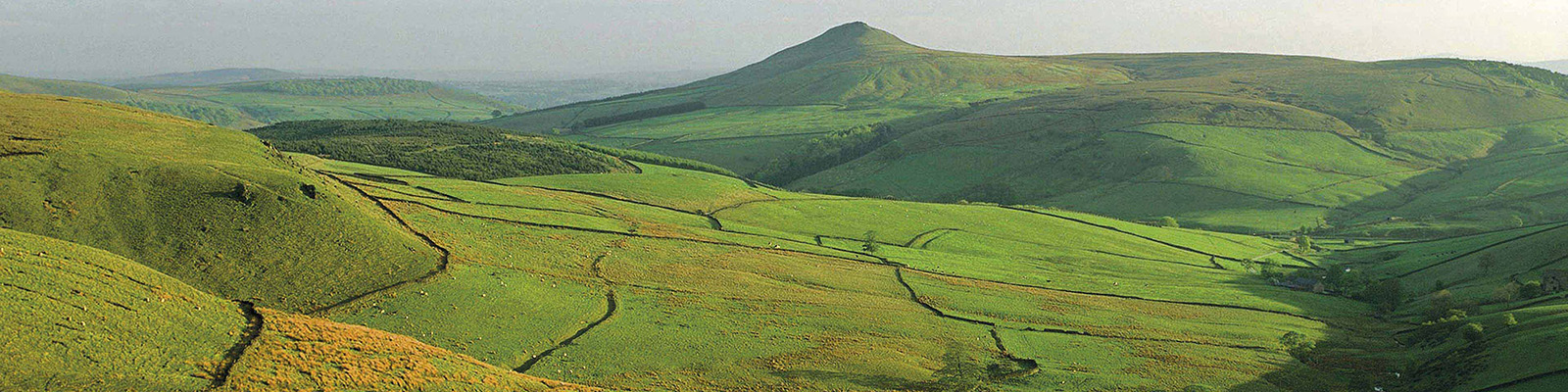
This picturesque folly, standing proud on a 1,100 feet (335m) hilltop overlooking the Cheshire Plain, was built in 1754 by Squire Randle Wilbraham of nearby Rode Hall as an elaborate summerhouse. At first sight, it looks like a medieval fortress with its two-storeyed round tower, but this is merely sham Gothic – a Georgian ‘eye-catcher. ’The ‘castle’ was given to the National Trust in 1937, and in that same year over 10,000 Methodists met on the hill to commemorate the first Primitive Methodist Camp Meeting. This was held at Mow Cop by Potteries wheelwright Hugh Bourne and his friend William Clowes in 1807, and a plaque commemorates the event. The area around the Cop was famous for the quarrying of high-quality millstones (or querns) used in water mills. Excavations at Mow Cop have found querns dating back to the Iron Age, but the most striking feature of the quarries left today is the free-standing pinnacle known as the Old Man of Mow.
About the area
Nestled between the Welsh hills and Derbyshire Peaks, the Cheshire plains make an ideal location to take things slow and mess around in boats. Cheshire has more than 200 miles (302 km) of man-made waterways, more than any other county in England.
Places to eat nearby View all

Nearby places to stay
View all (8)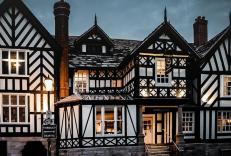




Nearby places to stay
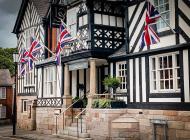
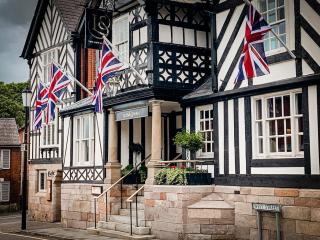
The Lion & Swan
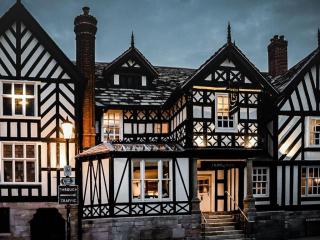
The Lion and Swan is a combination of heritage and charm combined with modern style. A lovingly restored black and white building that dates back to the 17th century, it has a sympathet...
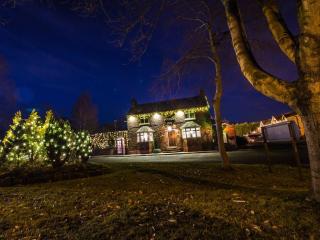
The Plough Inn
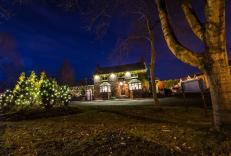
In the traditional Cheshire mould of half-brick, half-timber, this rural inn offers modern accommodation and hearty pub food and drink. Public areas include a stylish Orangery with high...
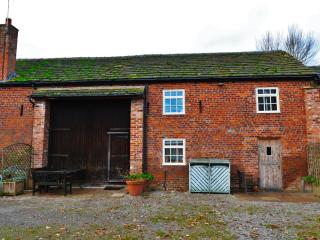
Broomfield Barn
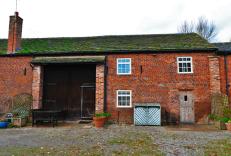
Broomfield Barn provides guests with the perfect ingredients for a refreshing countryside retreat. The award-winning, self-catering accommodation is situated in a charming building surr...
Broomfield Barn
Broomfield Barn provides guests with the perfect ingredients for a refreshing countryside retreat. The award-winning, self-catering accommodation is situated in a charming building surr...
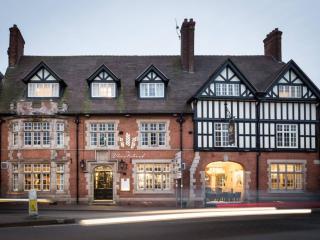
The Wheatsheaf
Situated in the centre of Sandbach, The Wheatsheaf is a fully refurbished former coaching inn that offers both style and comfort. All rooms and bathrooms are luxuriously decorated with ...
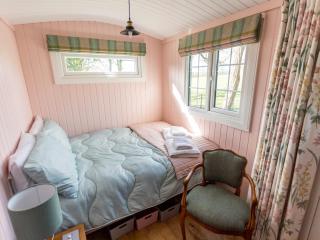
Betley Court Farm Holiday Cottages
Betley Court Farm Holiday Cottages includes three cosy cottages and a shepherd’s hut on 180 acres of working farmland. These brick-built barn conversions offer tasteful and comfortable ...
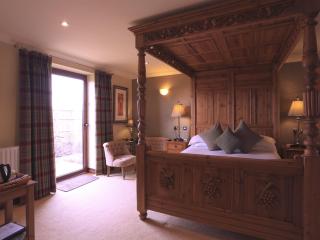
Three Horseshoes Country Inn & Spa
This traditional family-owned inn provides individually designed bedrooms, including several modern 'Garden rooms' with hot tubs, some with 4-poster beds. The smart pub-brasserie, with ...
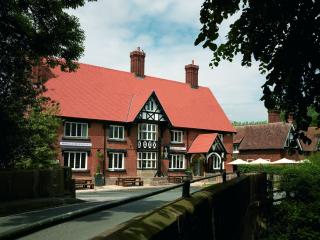
The Bear's Paw
The Bear's Paw is set beside a small river in a rural Cheshire village. This fully modernised 19th-century, red-brick inn provides spacious boutique bedrooms that have a wealth of pract...