Climbing Black Combe
Recommended by

Our view
"Climb out on a limb, far removed from the higher Lakeland fells."
Walk directions
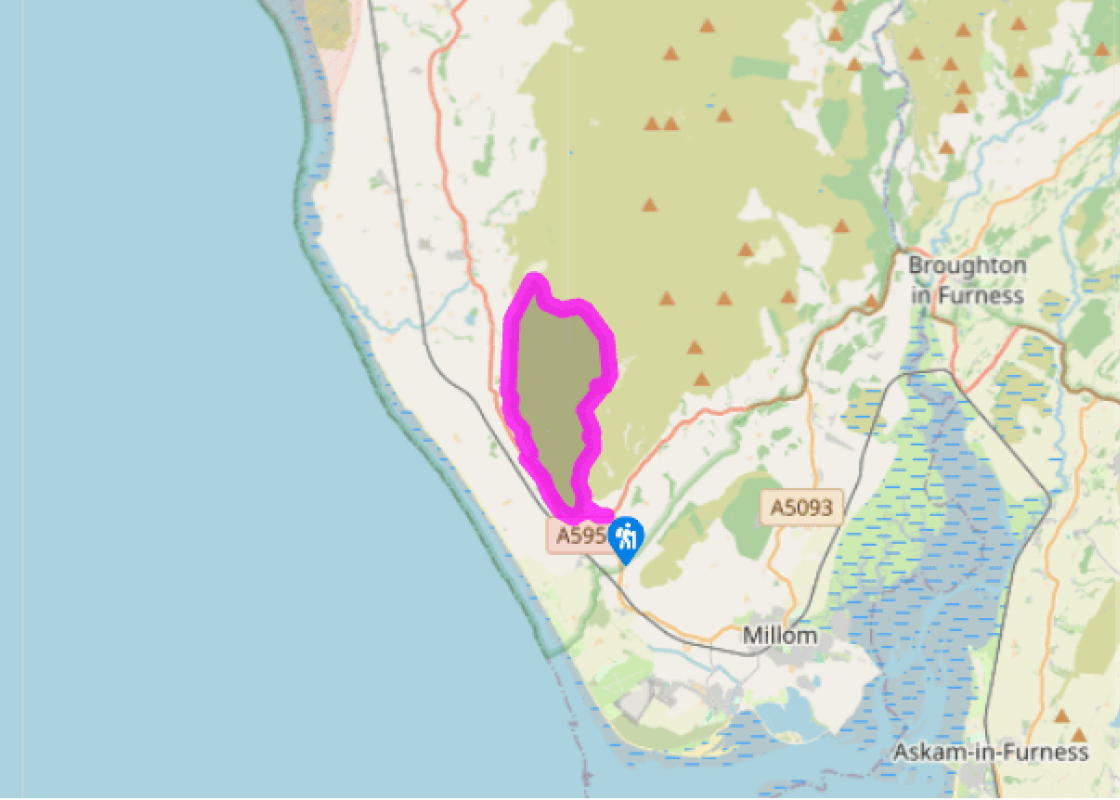
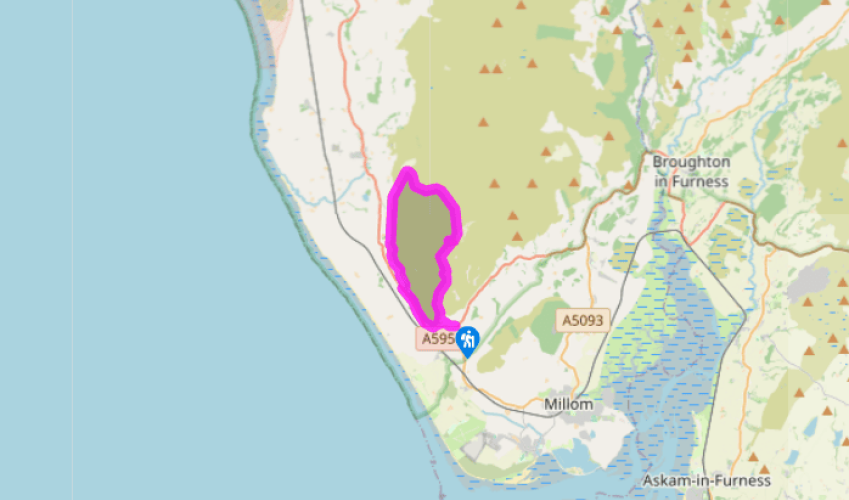
From the car park at Whicham church, walk along the walled path between the church and the old school to a lane. Turn left to walk up behind Kirkbank. At a bridleway sign, turn right onto the open fell.
The fellside is covered in bracken, but a broad, grassy path leads straight up a little valley. Avoid a path climbing steeply to the left. Towards the top of the valley, bracken gives way to grass and bilberry. Behind you, coastal views are developing nicely, stretching beyond Millom to the Furness Peninsula.
View all directions
Additional information
Terrain
- Clear path to top, indistinct at start of descent; two significant fords on return route
Landscape
- Broad, open, whaleback hill covered in bracken and heather
Dog friendliness
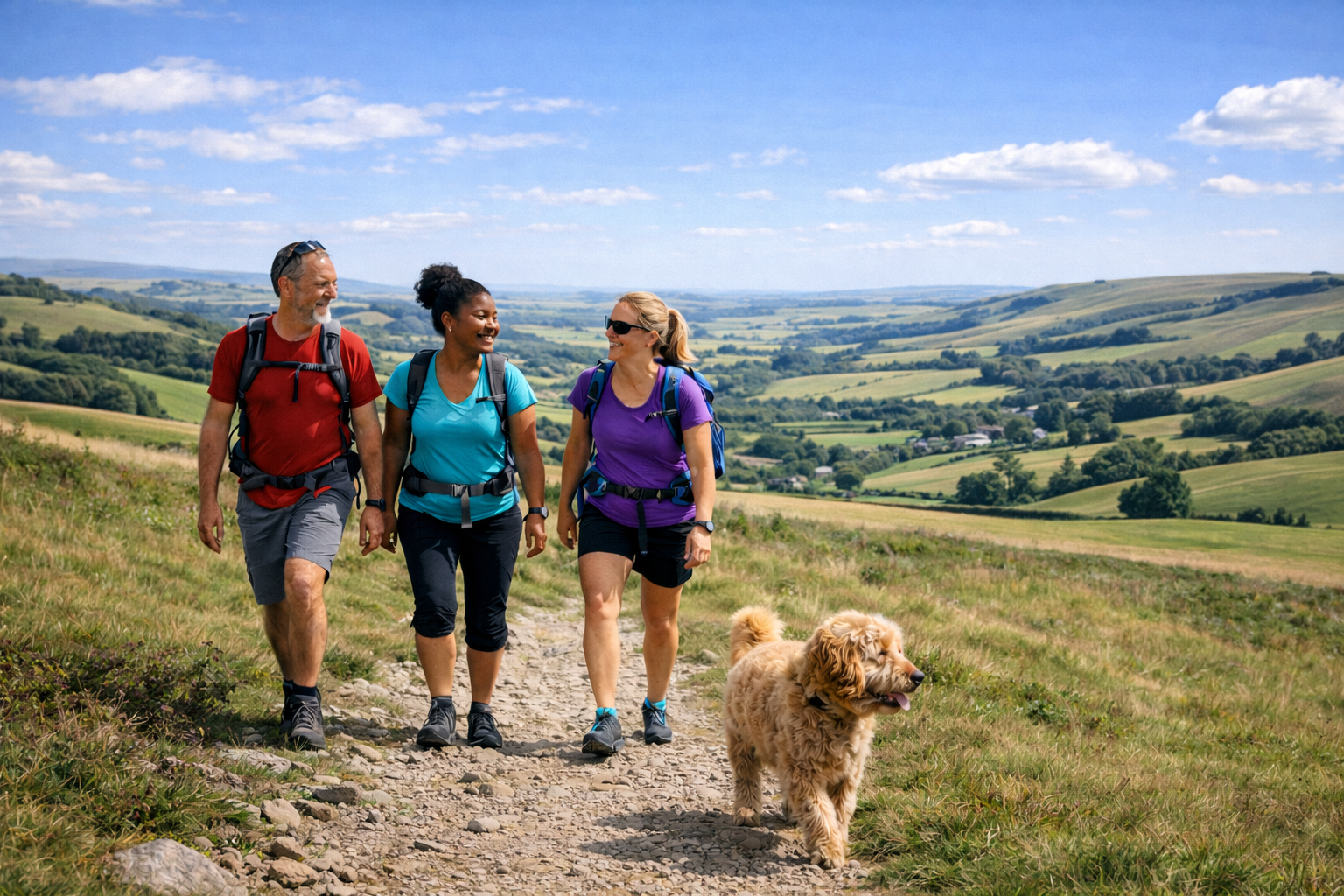
- On lead or under close control throughout
Parking
- Car park at Whicham church (with honesty box) or layby at Whitbeck church
Toilets en route
- None on route
About the walk
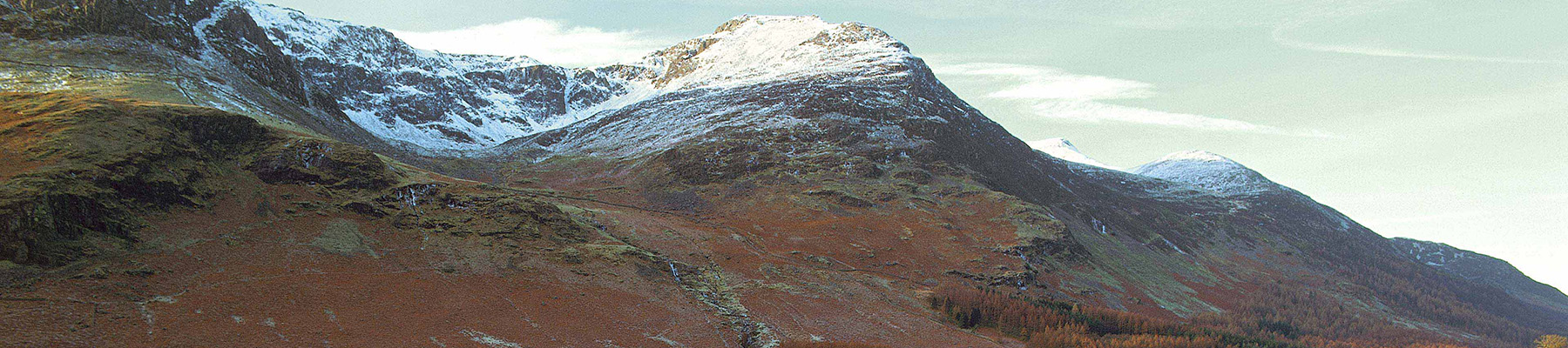
Black Combe truly dominates this quiet corner of the Lake District. Its steep slopes rise to a domed summit (1,968ft/600m) that often wears a woolly cap of cloud. Moist air rising from the Irish Sea has to cross Black Combe before reaching the higher fells, so tends to leave a puffy cloud tethered...
Read more
Been on this walk?
Send us photos or a comment about this route. Or recommend a route of your own.
Walking in Safety
Read our tips to look after yourself and the environment when following this walk.
Get an AA guide
Explore our range of ‘50 Walks in’ guides - they’re the ideal companion for a ramble.
Been on this walk?
Send us photos or a comment about this route. Or recommend a route of your own.
Walking in Safety
Read our tips to look after yourself and the environment when following this walk.
Get an AA guide
Explore our range of ‘50 Walks in’ guides - they’re the ideal companion for a ramble.
About the area
Cumbria's rugged yet beautiful landscape is best known for the Lake District National Park that sits within its boundaries. It’s famous for Lake Windermere, England’s largest lake, and Derwent Water, ‘Queen of the English Lakes', but other lesser-known areas in the south, such as the Lune Valley and the coastal towns, are secret gems of wide cobbled streets and rolling hills.
Nearby places to stay
View all (8)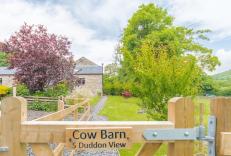



Nearby places to stay
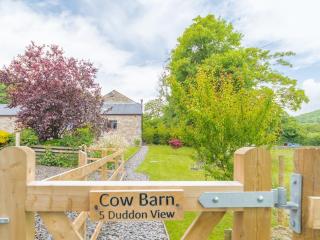
Cow Barn
A bright, airy and stylish interior for up to 5 guests, open views and a lovely dog-friendly garden, make Cow Barn the perfect setting for any family holiday to the Lakes. The cottage ...
Cow Barn
A bright, airy and stylish interior for up to 5 guests, open views and a lovely dog-friendly garden, make Cow Barn the perfect setting for any family holiday to the Lakes. The cottage ...
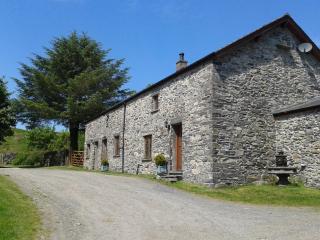
Stable Cottage
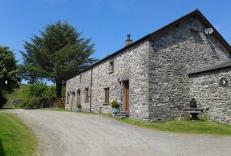
Awaiting description...
Thornthwaite Farm
Thorthwaite is a traditional Lakeland family-run farm set in the beautiful scenery of the Woodland Valley, known as one of the ‘Three Jewels of Lakeland’ immortalised by William Wordswo...
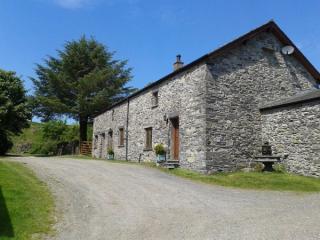
Blacksmiths Cottage
Awaiting description...
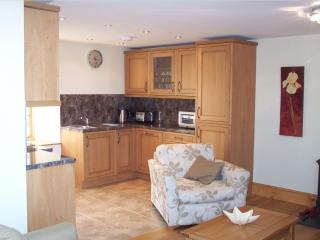
Woodmans Cottage
Awaiting description...
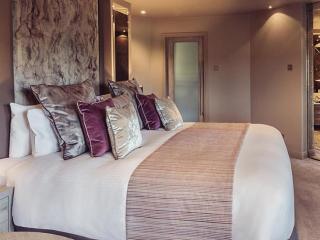
Abbey House Hotel & Gardens
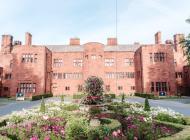
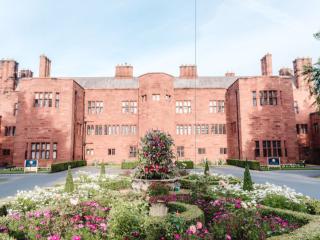
Set in 14 acres of private gardens and woodland, this red stone building is a local landmark. The sharp and contemporary interior style of this 59-bedroom hotel sits well with the origi...
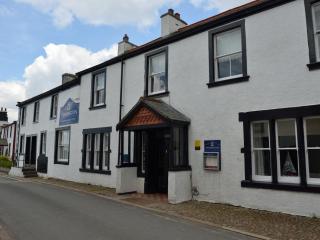
The Pennington Hotel
The Pennington Hotel has a prominent location in the small coastal village of Ravenglass and offers a very relaxed atmosphere. The bedrooms are comfortable and some have beautiful views...
Places to eat nearby View all