
The Polesden Lacey Estate
Recommended by

Our view
"A woodland circuit around a great country house, once a favourite with high society."
Walk directions
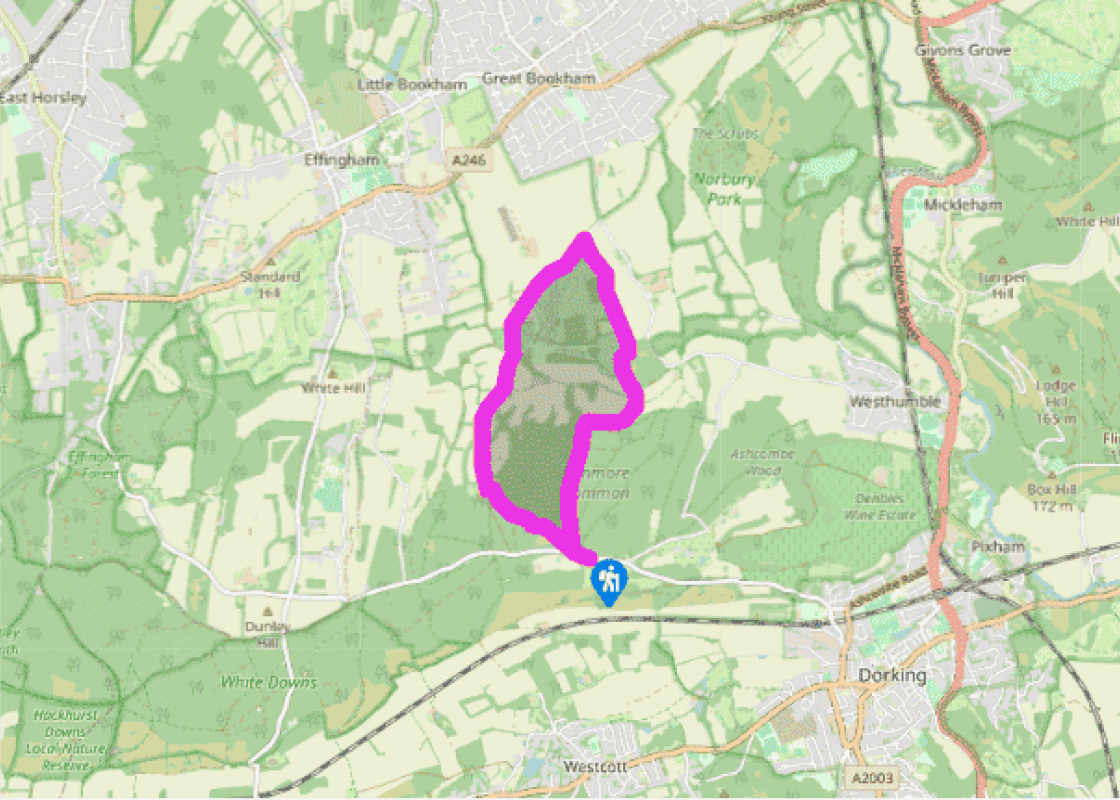
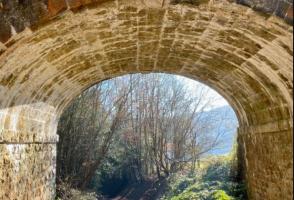
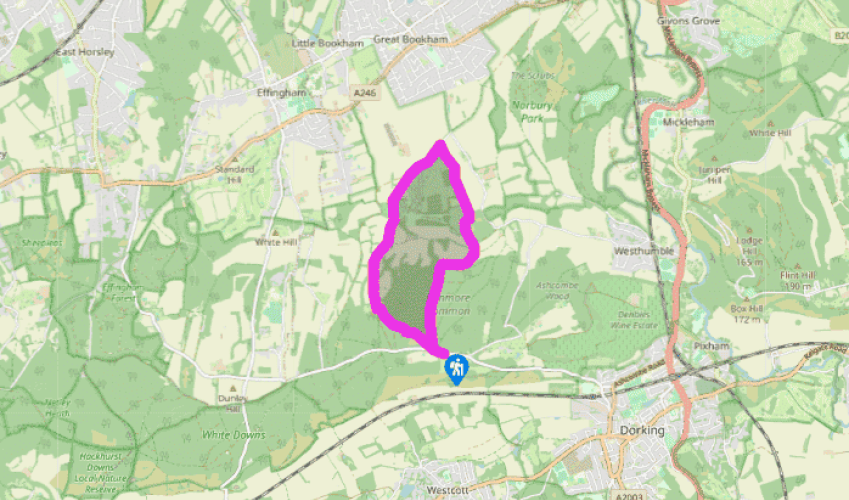
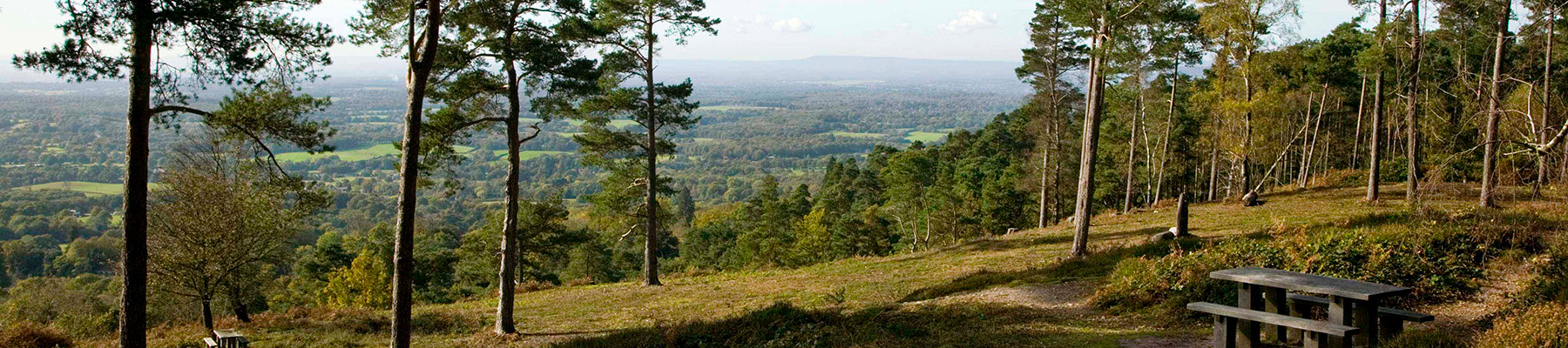
Cross the road from the car park, turn left and walk for 200yds (182m) along the broad roadside verge. Turn right just beyond the tile-hung Fox Cottages, where two public footpaths with metal barriers meet the road. Take the lefthand path through the woods and, ignoring all turnings, follow it down into the valley and at a T-junction turn left to pass a barrier. Cross over another track and up the other side of the valley. Just beyond a wooden gate, turn left. Continue to the gravelled forest track 100yds (91m) further on, and turn right, passing beside a metal barrier across the track. A little further on you’ll pass a bench on your left, followed by another on your right where you can enjoy a great view of Polesden Lacey, and a third bench, opposite the NT Yewtree Farm Orchard sign. Notice the massive estate water tower sticking up through the trees, just to the left of the main house.
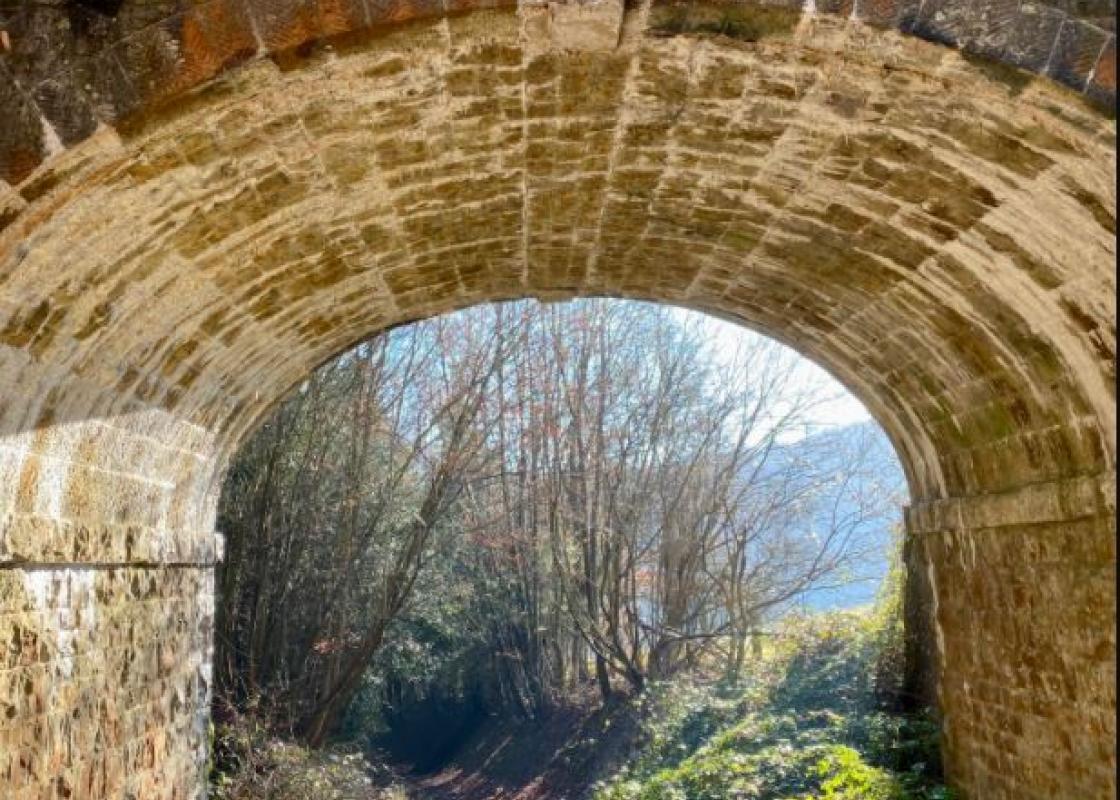
Follow the gravelled track as it winds past Yewtree Farm; then, 150yds (137m) beyond the farm, fork left. Follow the signposted bridleway across a low causeway until it climbs to meet a tarmac estate road. Turn left and go under a wooden bridge, and then under a thatched timber footbridge. As you pass the entrance to Home Farm House look half left across the open field. On the far horizon you’ll see a long, low white building – and on a clear day you’ll be able to pick out the jets landing in front of it at Heathrow. Bear gently right past the entrance drive to Polesden Lacey, and continue on to Polesden Road. Walk right to the end of the broad, grass verge on the right-hand side of the road; then, 60yds (55m) further on, turn right down a waymarked bridleway (Connicut Lane) towards the youth hostel, Tanner’s Hatch.
View all directions
Additional information
Terrain
- Woodland and farm tracks
Landscape
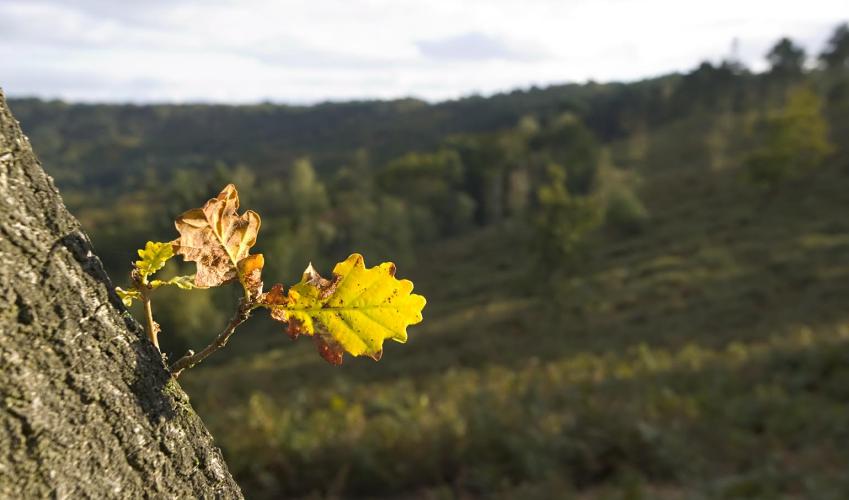
- Remote wooded valleys around Polesden Lacey Estate
Dog friendliness
- Excellent for dogs; keep on lead near sheep and cattle
Parking
- National Trust Denbies Hillside car park on Ranmore Common Road
Toilets en route
- Toilets at Polesden Lacey (NT) for visitors only
About the walk
To say that the history of Polesden Lacey is the history of the British monarchy through the early decades of the 20th century is, perhaps, overstating things. Nevertheless, in the years before World War II the royal family’s footfalls often echoed within these sumptuous walls. Even if you don’t...
Read more

Been on this walk?
Send us photos or a comment about this route. Or recommend a route of your own.

Walking in Safety
Read our tips to look after yourself and the environment when following this walk.
Get an AA guide
Explore our range of ‘50 Walks in’ guides - they’re the ideal companion for a ramble.
Been on this walk?
Send us photos or a comment about this route. Or recommend a route of your own.
Walking in Safety
Read our tips to look after yourself and the environment when following this walk.
Get an AA guide
Explore our range of ‘50 Walks in’ guides - they’re the ideal companion for a ramble.
About the area
Surrey is one of England’s most wooded counties, with over a quarter of the landscape designated as an official AONB and plenty of history evident in the countryside. You’ll find sandy tracks, cottage gardens and welcoming village inns, and on the fringe of Greater London you can picnic in Chaldon’s hay meadows, explore the downs at Epsom, or drift idly beside the River Thames.
Nearby places to stay
View all (8)






Nearby places to stay

The Kings Head
Tucked away in a tranquil village in the Surrey Hills, The Kings Head offers three very comfy and stylish bedrooms. The team are extremely friendly and the kitchen sends out delicious a...
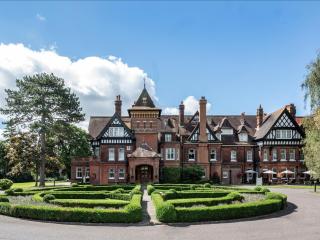
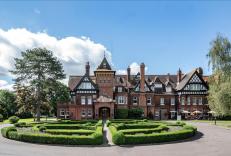
Woodlands Park Hotel
Originally built for the Bryant family of the matchmaking firm Bryant & May, the Woodlands Park Hotel, a traditional Victorian mansion, enjoys an attractive parkland setting in ten and ...
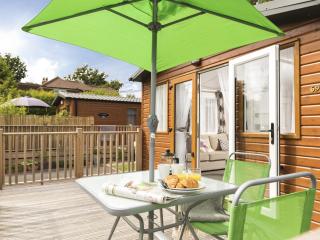
Edgeley Country Park
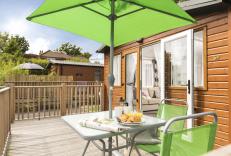
Within 45-minutes of central London and Gatwick Airport, but a whole world away from the stresses of everyday life, Edgeley Country Park is an idyllic retreat. Tucked away in 26 acres o...
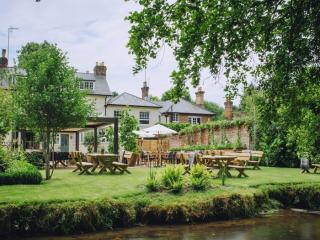
The Drummond at Albury
The Drummond at Albury is well located for a weekend away in the tranquillity of the Surrey Hills, and is popular with business guests looking for somewhere a bit less corporate than on...

Guildford Manor Hotel
Guildford Manor Hotel is a contemporary hotel located in the tranquillity of the Surrey Hills countryside – it's the ideal place to celebrate special occasions and have a relaxing weeke...

Reigate Manor
On the slopes of Reigate Hill, Reigate Manor is ideally located for access to the town and for motorway links. A range of public rooms is provided along with a variety of function rooms...
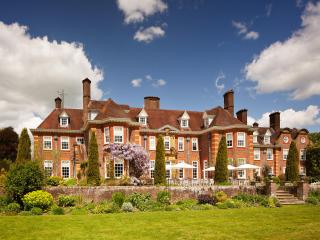
Barnett Hill Hotel
In the heart of the Surrey Hills, Barnett Hill is a beautiful Queen Anne-style mansion dating back to 1905; it sits in 26 acres of lovingly maintained gardens and woodland, a tranquil a...

The Mandolay Hotel
Ideally located near the heart of Guildford, The Mandolay Hotel combines contemporary style with comfort and convenience. All bedrooms are thoughtfully designed with modern amenities, i...
Places to eat nearby View all